


 Deutsch
 English
 Español
 Français
 Nederlands
 Português


 Share
Share




Russia Begins Construction of Major New Military Base Near Finland
Russia has commenced construction of a significant new military base in Novaya Vilga, near Petrozavodsk, just kilometers from Finland's eastern border, according to reports from Finnish broadcaster Yle and confirmed by satellite imagery analyzed by investigative platform United24 Media. The base, which military experts say could house between 4,000 and 6,000 personnel, represents Moscow's first entirely new military garrison built since the Soviet era and marks a major escalation in Russian military posture along NATO's northern flank.
Former Finnish intelligence officer and military analyst Marko Eklund identified the site by analyzing Russian government documents related to water and sewage infrastructure connections for the future complex. Satellite images from November 2025 first showed forest clearance, with ground preparation continuing through the winter and active construction beginning in spring 2026. The base will eventually include more than 50 buildings, including barracks, apartment blocks for personnel and their families, headquarters facilities, parade grounds, and sports facilities.
Structural Expansion Along the Entire Western Border
The new base is not an isolated development but part of a broader structural expansion of Russian military infrastructure along the entire western border with NATO members. A joint investigation by NRK (Norway), SVT (Sweden), DR (Denmark), and Delfi (Estonia) mapped Russia's military buildup using Planet Labs satellite imagery throughout the winter of 2025–2026. The Russia NATO border buildup has accelerated significantly since Finland joined the alliance in 2023.
In the Pechenga district of Murmansk region, bordering Norway, Russia is constructing new barracks that could house up to 17,000 personnel—two to three times the previous capacity. Finnish Army Commander Pasi Välimäki has warned that Russia could now deploy up to 80,000 troops along the Finnish border, a dramatic increase from the roughly 20,000 stationed there before Finland's NATO accession.
Satellite Evidence of Military Buildup
Journalists from NRK analyzed NASA satellite data on nighttime light levels and discovered that 16 of 19 locations on a map provided by Eklund had become significantly brighter over the past year, indicating intensified military activity and construction. The buildup extends from the Arctic coast down to Kaliningrad, creating a continuous belt of reinforced military infrastructure along NATO's eastern frontier.
According to Swedish intelligence, the Russian military now numbers 1.5 million personnel. Thomas Nilsson, head of Sweden's military intelligence service, stated that Russia has demonstrated its ability to rapidly move troops and equipment over long distances and that the Kremlin is preparing for a potential confrontation with NATO.
Threat Assessment: Capabilities vs. Intentions
While the expansion is clearly visible, analysts caution that the immediate threat to Finland and Norway remains limited as long as Russia's war in Ukraine continues to consume significant resources. Eklund emphasized that the buildup is a long-term project. 'Building a modern army does not happen with rusty tanks from Siberian depots, so it will take a lot of time and money,' he said. 'A threat arises from a combination of intent and capabilities. Those capabilities will increase significantly once these troops are established.'
The Finland military readiness 2026 remains high, with the Finnish Defense Forces numbering 24,000 active personnel in peacetime but capable of mobilizing up to 280,000 troops through its reserve system. Finnish authorities have long prepared for potential aggression, maintaining extensive underground infrastructure beneath Helsinki designed to protect civilians and command functions.
NATO's Assessment
Admiral Brian Nissen, NATO's commander for the Baltic states and Poland, assessed that the threat of a direct conflict with the alliance remains low while Russia is engaged in Ukraine. However, he warned that the situation could change rapidly if a ceasefire or peace settlement is reached, freeing up Russian combat power for redeployment westward.
Russian Deputy Defense Minister Pavel Fradkov visited the Novaya Vilga site and officially acknowledged the project. The location near Petrozavodsk was deliberately chosen to simplify recruitment and retention of contract soldiers and their families, offering urban amenities in a region where harsh Arctic conditions make military service less attractive.
Implications for European Security
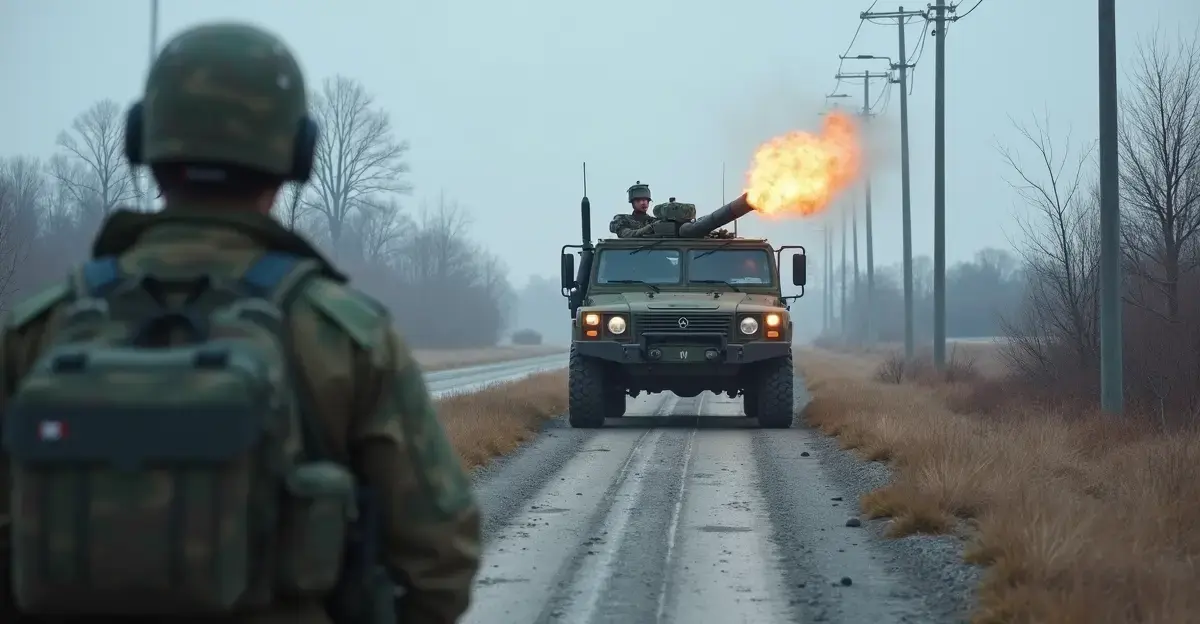
The Russian military buildup along the Finnish and Norwegian borders fundamentally alters the security landscape in Northern Europe. Finland, which shares a 1,340-kilometer border with Russia, joined NATO in April 2023, followed by Sweden in March 2024. The alliance's northern frontier has since doubled in length, and Russia's response has been to dramatically reinforce its western military districts.
Norway's military chief has previously stated that a Russian invasion cannot be ruled out, and the Nordic defense cooperation 2026 has intensified with joint exercises and integrated air surveillance. The United States has also increased its military presence in the region, including rotational forces and pre-positioned equipment in Norway and Finland.
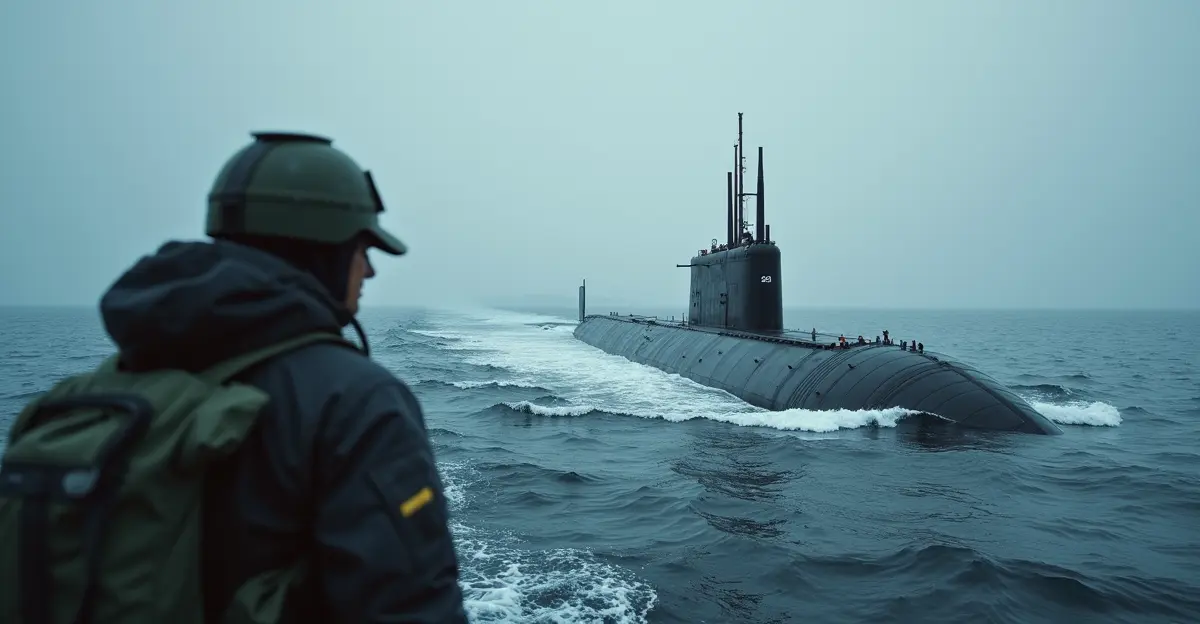
The expansion of Russian forces near NATO borders raises questions about the alliance's ability to defend its northern members, particularly in the Arctic region, where climate change is opening new strategic waterways and resource opportunities. Analysts point out that Russia's Northern Fleet, based on the Kola Peninsula, remains one of its most capable military assets, and the new ground forces infrastructure complements Moscow's naval and aerospace capabilities in the region.
Frequently Asked Questions
Where is Russia building the new military base near Finland?
The new base is located in Novaya Vilga, near the city of Petrozavodsk in the Republic of Karelia, approximately 30 kilometers from the Finnish border. The site was chosen for its proximity to urban infrastructure to aid personnel recruitment and retention.
How many troops will the new Russian base house?
According to military analyst Marko Eklund, the base is designed to accommodate between 4,000 and 6,000 personnel. It could potentially house a motorized rifle brigade or the core units of a new division. The overall Russian force buildup along the Finnish border could reach 80,000 troops.
When did construction of the base begin?
Satellite imagery shows initial forest clearance as early as November 2025. Ground preparation continued through the winter of 2025–2026, and active construction of barracks and other facilities began in spring 2026. Russian Deputy Defense Minister Pavel Fradkov inspected the site in early 2026.
Is Russia also building up forces near Norway?
Yes. In the Pechenga district of Murmansk region, bordering Norway, Russia is constructing new barracks that could increase troop capacity to 17,000—two to three times the previous capacity. The buildup extends along the entire western border from the Arctic to Kaliningrad.
What is NATO's response to the Russian military buildup?
NATO has increased its presence in the Nordic region, with enhanced air policing, joint exercises, and pre-positioned equipment. Admiral Brian Nissen stated that the threat of direct conflict remains low while Russia is engaged in Ukraine but could change rapidly if a ceasefire is reached. Finland and Sweden have deepened defense cooperation with Norway and other allies.
Sources
- United24 Media report citing Finnish broadcaster Yle
- Joint investigation by NRK, SVT, DR, and Delfi published via Meduza
- Analysis by former Finnish intelligence officer Marko Eklund
- Statement by Finnish Army Commander Pasi Välimäki
- NATO assessment by Admiral Brian Nissen



Follow Discussion