


 Deutsch
 English
 Español
 Français
 Nederlands
 Português


 Share
Share




Introduction: The Multipolar Currency Reality of 2026
The de-dollarization movement has crossed a critical threshold in 2026. With the US dollar's share of global central bank reserves falling below 57% for the first time since 1995, and the BRICS+ bloc launching the mBridge payment system for direct local-currency settlement using central bank digital currencies (CBDCs), what was once theoretical is now operational. Saudi Arabia and the UAE are settling energy exports to China in yuan, while the BRICS UNIT — a gold-backed digital instrument — challenges the petrodollar framework. This article analyzes the strategic implications for global financial stability, FX markets, and the long-term viability of a multipolar reserve currency system.
The mBridge System Goes Live
Project mBridge, a blockchain-based platform enabling near-instant cross-border payments using CBDCs, reached live operational scale by April 2026. Developed by the central banks of China, Hong Kong, Thailand, and the UAE — with Saudi Arabia joining in 2024 — the platform has processed over $55.5 billion in transactions, 95% of which were in digital yuan. The system bypasses SWIFT and the dollar-based correspondent banking network, reducing transaction times from days to seconds and costs from 6-8% to near zero.
Under India's 2026 BRICS chairship, CBDC interoperability is the flagship agenda. Proposals include linking India's e-Rupee, China's digital yuan, Brazil's Drex, and Russia's digital ruble into a unified framework. The BRICS CBDC interoperability framework aims to create a seamless network for intra-bloc trade settlement, further reducing reliance on the dollar.
The BIS Withdrawal and Independent Operation
The Bank for International Settlements (BIS) formally withdrew from mBridge in late 2025, citing concerns over sanctions compliance. However, participating nations have continued independently, demonstrating the geopolitical determination behind the project. The platform now operates as a purely BRICS+ initiative, with governance shared among member central banks.
The UNIT: A Gold-Backed Digital Challenger
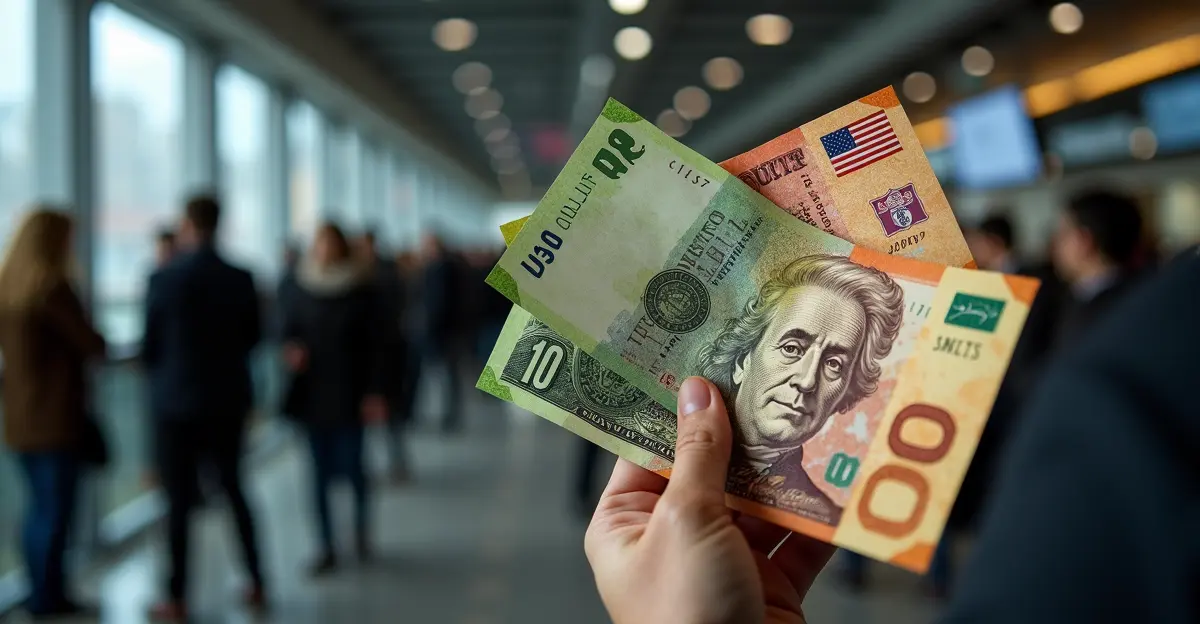
In early 2026, BRICS+ nations formally introduced 'The Unit,' a gold-backed digital settlement token designed to facilitate intra-bloc trade without using the US dollar. Backed 40% by physical gold and 60% by a basket of five member currencies (Brazilian real, Chinese yuan, Indian rupee, Russian ruble, and South African rand), the token operates on a permissioned blockchain (Cardano-based) for near-instant settlement. A pilot began in October 2025, and by early 2026, the UNIT went live for energy and commodity settlements.
The UNIT represents the first operational alternative to the dollar in international trade settlement. Unlike earlier proposals that remained theoretical, the UNIT is being used in real transactions, particularly for oil and gas deals between Russia, China, and Saudi Arabia. The gold-backed digital currency impact on global reserves is already being felt, as central banks reassess their reserve composition.
Erosion of the Petrodollar: Saudi Arabia and UAE Settle in Yuan
The petrodollar system — where oil is traded exclusively in US dollars — has suffered its most significant blow. Saudi Arabia quietly did not renew its 50-year petrodollar commitment in 2024, and by 2026, the kingdom now settles approximately 22% of its crude exports to China in yuan. The UAE has followed suit, with both Gulf states increasingly using the digital yuan for energy transactions. China's CIPS payment system now connects over 1,500 institutions across 117 countries, providing a viable alternative to SWIFT.
This shift has profound implications. The petrodollar system erosion and global FX markets are now inextricably linked, as oil-exporting nations diversify their settlement currencies. The US dollar's share of global foreign exchange reserves has fallen to 56.3%, down from 71% in 2000, according to IMF Q1 2026 COFER data.
Strategic Implications for Global Finance
Impact on US Treasury Markets
Foreign holdings of US Treasuries have fallen from $7.2 trillion in 2021 to approximately $6.5 trillion in early 2026. Analysts estimate that each percentage point decline in dollar reserve share raises US borrowing costs by 10-15 basis points. With US national debt surpassing $36 trillion, the fiscal implications are significant. The US Treasury market foreign demand decline is a key risk factor for global bond markets.
Central Bank Gold Purchases
Central banks have added over 2,100 tonnes of gold since 2022, with 1,237 tonnes purchased in 2025 alone — a record. Gold has surged past $3,500 per ounce, now comprising approximately 30% of global reserves for some BRICS+ nations. This represents a structural shift away from dollar-denominated assets toward hard assets and alternative currencies.
Multipolar Fragmentation Risks
While de-dollarization reduces dependency on the US financial system, it introduces new risks. The global payments landscape is fracturing into competing blocs — dollar-based, euro-based, and BRICS-based — which could increase transaction costs and complexity for multinational corporations. McKinsey's 2026 trade update confirms that the US-China trade corridor has shrunk by 30%, with $165 billion in trade redirected through alternative channels.
Expert Perspectives
The mBridge system and the UNIT represent the most concrete challenge to dollar hegemony in decades. We are witnessing the birth of a multipolar reserve currency system, though the dollar will remain dominant for the foreseeable future, says Dr. Elena Kuznetsova, a senior fellow at the Institute of International Finance. The key question is whether this fragmentation leads to greater instability or a more resilient global financial architecture.
Former Federal Reserve official Mark Carney has warned that the dollar's reserve status is not guaranteed, noting that the weaponization of sanctions has accelerated the search for alternatives. The genie is out of the bottle.
FAQ
What is mBridge?
mBridge is a blockchain-based platform for cross-border payments using central bank digital currencies (CBDCs), developed by central banks from China, Hong Kong, Thailand, the UAE, and Saudi Arabia. It enables real-time, peer-to-peer transactions that bypass SWIFT and the dollar-based correspondent banking system.
What is the BRICS UNIT?
The UNIT is a gold-backed digital settlement token launched by BRICS+ nations in early 2026. It is backed 40% by physical gold and 60% by a basket of five member currencies, and is used for settling energy and commodity trades within the bloc.
How much has the dollar's reserve share fallen?
The US dollar's share of global foreign exchange reserves fell to 56.3% in Q1 2026, the lowest level since the IMF began tracking the data in 1995. It was 71% in 2000.
Are Saudi Arabia and the UAE settling oil in yuan?
Yes. Saudi Arabia now settles approximately 22% of its crude exports to China in yuan, and the UAE has also increased yuan-denominated energy trade. This marks a significant erosion of the petrodollar system.
Will the dollar collapse?
Most analysts do not predict a sudden collapse. The dollar still dominates 88% of global forex transactions and remains the primary reserve currency. However, the trend toward a multipolar system — with the dollar sharing dominance with the euro, yuan, and gold — is now firmly established.
Conclusion: A New Financial Landscape
The de-dollarization movement has moved from theory to operational reality in 2026. With mBridge processing billions in cross-border CBDC transactions, the UNIT providing a gold-backed alternative for trade settlement, and petrodollar erosion accelerating, the global financial system is undergoing its most significant transformation since Bretton Woods. While the dollar remains dominant, the trajectory is clear: the future is multipolar. For investors, policymakers, and businesses, adapting to this new reality is no longer optional — it is imperative.





Follow Discussion