


 Deutsch
 English
 Español
 Français
 Nederlands
 Português


 Share
Share




US President Announces Major Troop Deployment to Poland
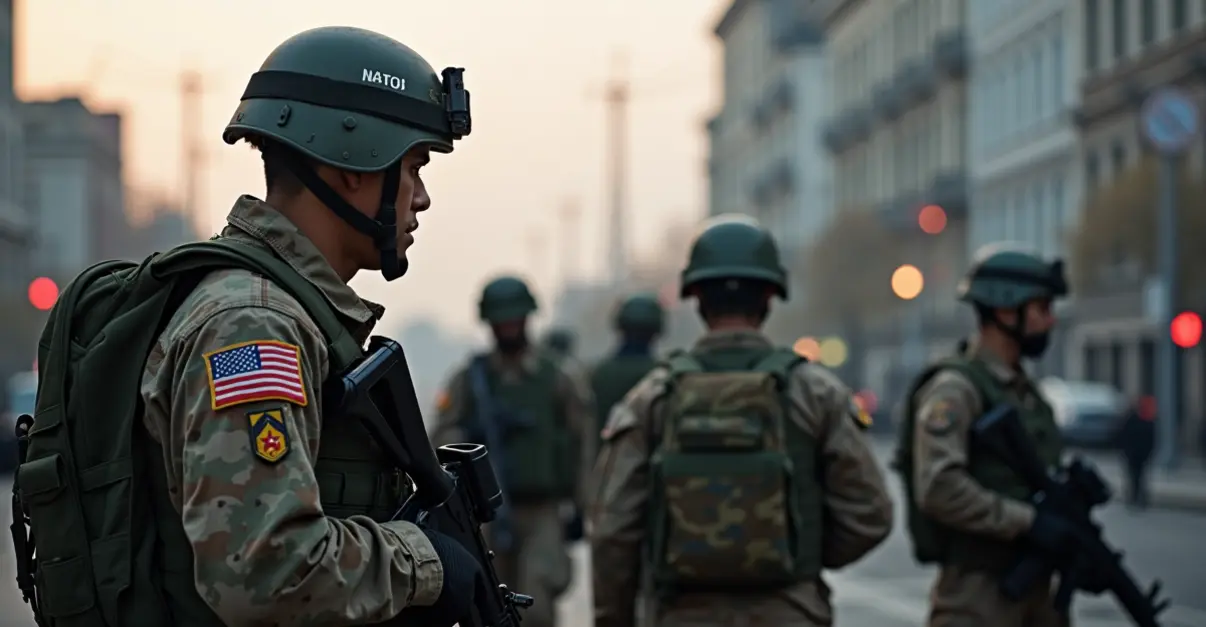
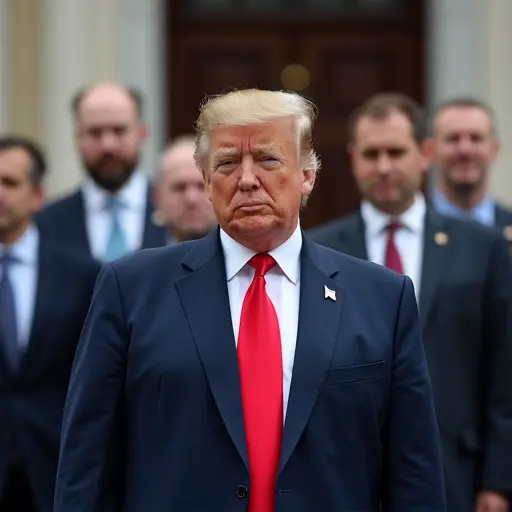
President Donald Trump announced on May 21, 2026, that the United States will deploy an additional 5,000 troops to Poland, reversing recent Pentagon plans to reduce the American military footprint in Europe. The announcement, made on Trump's Truth Social platform, cited the "successful election" of Poland's conservative nationalist President Karol Nawrocki as a key factor, even though Nawrocki was elected nearly a year ago and has already been sworn into office. The decision has stirred confusion among NATO allies and defense officials, who are seeking clarity on the details and timing of the proposed troop movements.
The deployment marks a sharp reversal from just weeks earlier, when the Pentagon canceled the scheduled rotation of the 2nd Armored Brigade Combat Team, 1st Cavalry Division, to Poland—a move that had alarmed Warsaw and raised concerns about America's commitment to European security. Pentagon spokesman Sean Parnell described the canceled deployment as a "temporary delay" as part of a broader plan to reduce Brigade Combat Teams in Europe from four to three, returning to 2021 force levels.
Context: US Troop Withdrawals from Germany
Trump's announcement comes amid a broader realignment of US forces in Europe. Earlier in May, the Pentagon confirmed plans to withdraw approximately 5,000 American troops from Germany, following escalating tensions between Trump and German Chancellor Friedrich Merz over the US-led military campaign against Iran. The withdrawal from Germany is expected to take 6 to 12 months to complete, though it remains unclear whether those troops will be redeployed to Poland or returned to the United States.
The US troop withdrawal from Germany has been criticized by some Republican lawmakers, who warn that reducing America's presence in Europe undermines deterrence against Russia and sends the wrong signal to Moscow. NATO Secretary General Mark Rutte, however, stated that the withdrawal "will not have an impact on NATO's defense plans" and urged European allies to take greater responsibility for their own conventional defense.
Geopolitical Implications and NATO Tensions
The announcement comes at a time of heightened tension between the United States and its European NATO allies. Trump has repeatedly questioned the value of the alliance, threatened to withdraw from NATO, and demanded that member states increase defense spending to 5% of GDP. European nations are racing to reduce their military dependence on Washington, with several countries announcing significant defense budget increases.
NATO foreign ministers, including US Secretary of State Marco Rubio, are meeting in Helsingborg, Sweden, this week for discussions on the alliance's future. Rubio has criticized some allies, particularly Spain, for not allowing US access to bases during the Iran conflict. The NATO alliance tensions in 2026 reflect a broader crisis of confidence, as European members grapple with Trump's unpredictable foreign policy and the possibility of a reduced American security guarantee.
Poland's Strategic Position
Poland has positioned itself as America's closest ally in Europe, consistently exceeding NATO's defense spending targets and hosting a significant US military presence. The country shares a border with the Russian exclave of Kaliningrad and has been a key hub for Western military aid to Ukraine since Russia's 2022 invasion. President Nawrocki, a right-wing populist aligned with Trump's political vision, has cultivated close ties with the White House, hosting Trump in Warsaw and Washington multiple times.
The deployment of 5,000 additional US troops would bolster Poland's defensive capabilities and reinforce the eastern flank of NATO, which has been a priority since Russia's full-scale invasion of Ukraine. However, defense experts question whether the troops will be permanently stationed or rotational, and whether the deployment represents a genuine strategic commitment or a political gesture.
Confusion and Criticism
The abrupt policy reversal has drawn sharp criticism from both sides of the aisle. Republican Representative Don Bacon of Nebraska said Polish officials were "blindsided" by the initial cancellation and called the decision-making process "reprehensible" and an "embarrassment." Retired diplomat Ian Kelly criticized the administration's approach, describing the moves as "not well thought out decisions" driven by Trump's personal whims rather than strategic planning.
Meanwhile, European allies are struggling to interpret the mixed signals from Washington. The impact of US troop reductions on European security remains a subject of intense debate, as NATO seeks to balance its reliance on American military power with the need for greater European autonomy.
FAQ
Why is Trump sending 5,000 troops to Poland?
Trump cited his relationship with Poland's President Karol Nawrocki and what he called the "successful election" of the Polish leader as the primary reason for the deployment. The announcement reverses a Pentagon decision to cancel a scheduled troop rotation to Poland.
How many US troops are currently in Europe?
The US has approximately 76,000 troops stationed in Europe, though this number has fluctuated. The Pentagon recently reduced Brigade Combat Teams from four to three, and 5,000 troops are being withdrawn from Germany.
What is the reaction from NATO?
NATO Secretary General Mark Rutte welcomed the announcement but emphasized that the alliance is moving toward being "less reliant on one ally only." NATO ministers are meeting in Sweden to discuss the alliance's future and defense burden-sharing.
Will the troops come from Germany?
It is unclear whether the 5,000 troops being sent to Poland are the same ones being withdrawn from Germany. The Pentagon has not provided details on the origin or timing of the deployment.
How does this affect the war in Ukraine?
Poland is a key logistics hub for Western military aid to Ukraine. An increased US troop presence could reassure Kyiv of continued support, but the broader US drawdown in Europe has raised concerns about long-term American commitment to the region.
Sources
Information for this article was gathered from multiple news outlets, including Associated Press, Reuters, Defense News, The New York Times, and the NOS. Direct quotes and specific details have been attributed to their respective sources throughout the article.


Follow Discussion