


 Deutsch
 English
 Español
 Français
 Nederlands
 Português


 Share
Share




Russian Submarine Threat Explained: UK Exposes Month-Long North Sea Operation
In a dramatic security revelation, the United Kingdom has exposed a covert Russian submarine operation targeting critical undersea infrastructure in the North Sea, with three Russian submarines conducting 'malicious activities' for over a month in waters north of the UK. UK Defence Secretary John Healey announced the operation during an emergency press conference, revealing that British and Norwegian forces tracked an Akula-class attack submarine and two specialized spy submarines from Russia's secretive Main Directorate of Deep-Sea Research (GUGI).
What is the Russian GUGI Submarine Threat?
The Main Directorate of Deep-Sea Research (GUGI) represents one of Russia's most secretive naval units, specializing in underwater espionage and sabotage operations. Operating independently from Russia's conventional navy, GUGI controls submarines capable of diving to depths of 6,000 meters and is equipped with specialized tools for seabed operations. 'GUGI's original target was Western surveillance systems, and it can eavesdrop and sever fiber optic cables crossing the seas,' according to intelligence experts. This shadowy organization operates from Saint Petersburg headquarters with a naval base in Olenya Bay on the Kola Peninsula.
The Month-Long North Sea Operation
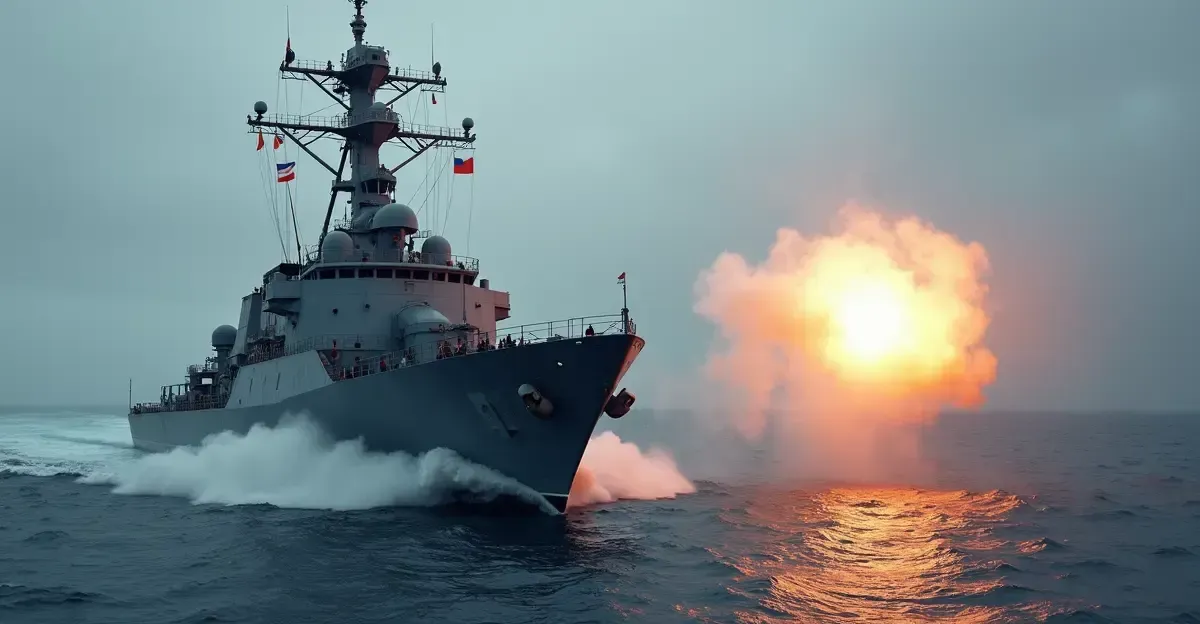
According to Defence Secretary Healey, the Russian operation involved three submarines conducting surveillance of undersea pipelines and communication cables in the northern North Sea for more than 30 days. The Royal Navy deployed HMS St Albans frigate, RFA Tidespring support vessel, Merlin helicopters, and RAF P8 aircraft in a coordinated response with Norwegian allies. 'We see you. We see your activity above our pipelines and cables. We will not allow you to damage them, that will have serious consequences,' Healey warned directly to Russian President Vladimir Putin.
Critical Infrastructure at Risk
The targeted undersea infrastructure represents the UK's economic lifeline:
- 90% of UK internet traffic travels through approximately 60 undersea cables
- 77% of UK gas imports from Norway flow through underwater pipelines
- Trillions in financial transactions daily depend on these connections
- Emergency communications systems for government and military operations
This incident follows a pattern of increasing Russian hybrid warfare tactics against Western nations, with a 30% increase in Russian vessels threatening UK waters over the past two years.
UK and Norwegian Response Strategy
The multinational operation involved hundreds of personnel tracking the Russian submarines 24/7, using sonar buoys and surveillance aircraft to maintain constant monitoring. The response strategy included:
- Immediate deployment of naval and air assets to shadow Russian movements
- Diplomatic warnings delivered directly to Russian leadership
- Enhanced surveillance of critical infrastructure zones
- International coordination with NATO allies including Norway
Healey emphasized that despite global distractions like the Middle East conflict, Russia remains the primary threat to UK and NATO security. The UK is responding with significant defense investments, including £100 million for submarine-hunting aircraft and the Atlantic Bastion program to enhance naval capabilities.
Geopolitical Implications and Security Concerns
This incident highlights growing concerns about undersea infrastructure security in an era of hybrid warfare. The vulnerability of submarine cables and pipelines has become a critical national security issue for island nations like the UK. 'Any attempt to damage British infrastructure would face severe repercussions,' Healey stated, underscoring the seriousness with which the UK views these threats.
The operation occurred in the UK's exclusive economic zone but not its territorial waters, creating legal complexities in responding to such activities. This gray zone warfare tactic allows Russia to test defenses and gather intelligence without triggering conventional military responses.
Future Defense Measures
The UK government has announced several initiatives to counter future threats:
| Initiative | Investment | Purpose |
|---|---|---|
| Submarine-hunting aircraft | £100 million | Enhanced detection capabilities |
| Atlantic Bastion program | Undisclosed | Naval capability enhancement |
| Defense spending increase | 2.6% of GDP by 2027 | Overall military modernization |
| Undersea cable protection | Ongoing | Critical infrastructure security |
These measures reflect growing recognition that maritime security threats require specialized responses and international cooperation.
FAQ: Russian Submarine Activity in North Sea
What Russian submarines were involved in the North Sea operation?
The operation involved three Russian submarines: one Akula-class nuclear-powered attack submarine and two specialized GUGI spy submarines designed for underwater surveillance and sabotage.
How long did the Russian submarine operation last?
The covert operation lasted over a month, with Russian submarines conducting surveillance activities in the northern North Sea for more than 30 days before being detected and monitored by UK and Norwegian forces.
What infrastructure was targeted by the Russian submarines?
The submarines were surveilling critical undersea infrastructure including communication cables carrying 90% of UK internet traffic and pipelines supplying 77% of UK gas imports from Norway.
Was any damage caused to UK infrastructure?
According to UK officials, there is no evidence of damage to undersea cables or pipelines during this operation, though the surveillance activity represents a significant security threat.
How did the UK respond to the Russian submarine threat?
The UK deployed HMS St Albans frigate, RFA Tidespring, Merlin helicopters, RAF P8 aircraft, and coordinated with Norwegian allies to track the submarines 24/7 while issuing direct warnings to Russian leadership.


Follow Discussion