


 Deutsch
 English
 Español
 Français
 Nederlands
 Português


 Share
Share




Atlantic Bastion 2026: UK's AI-Powered Defense Against Russian Cable Sabotage
The United Kingdom has launched a groundbreaking defense initiative called Atlantic Bastion to protect critical undersea infrastructure from escalating Russian surveillance and sabotage threats. This £14 million AI-powered program represents a technological revolution in naval warfare, combining autonomous underwater drones, artificial intelligence, and traditional naval assets to secure the North Atlantic's vital communication and energy networks.
What is Atlantic Bastion?
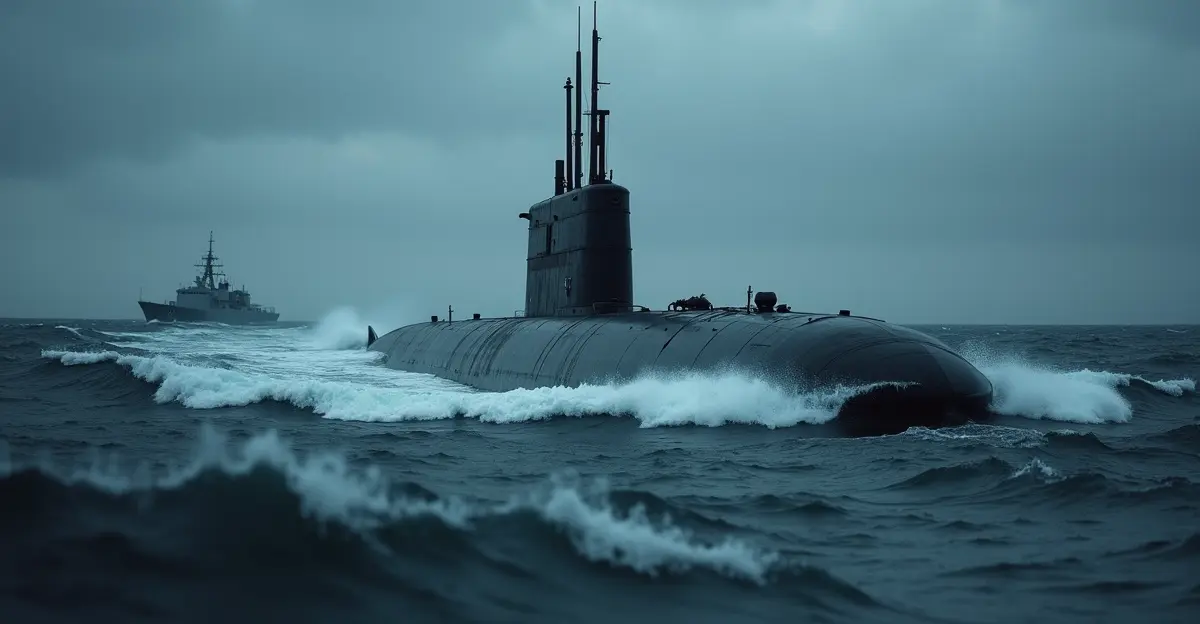
Atlantic Bastion is the UK's comprehensive defense program designed to counter Russian undersea threats targeting critical infrastructure. Announced in December 2025 and scheduled for deployment in 2026, this initiative creates a hybrid naval force that integrates autonomous vessels, AI systems, warships, submarines, and aircraft into a single detection network. The program responds directly to increased Russian submarine and surface vessel activity near UK waters, particularly focusing on protecting the 119 undersea cables that carry 99% of transatlantic data traffic and $17 trillion in daily trade.
The Russian Threat: Yantar Spy Ship and Cable Sabotage
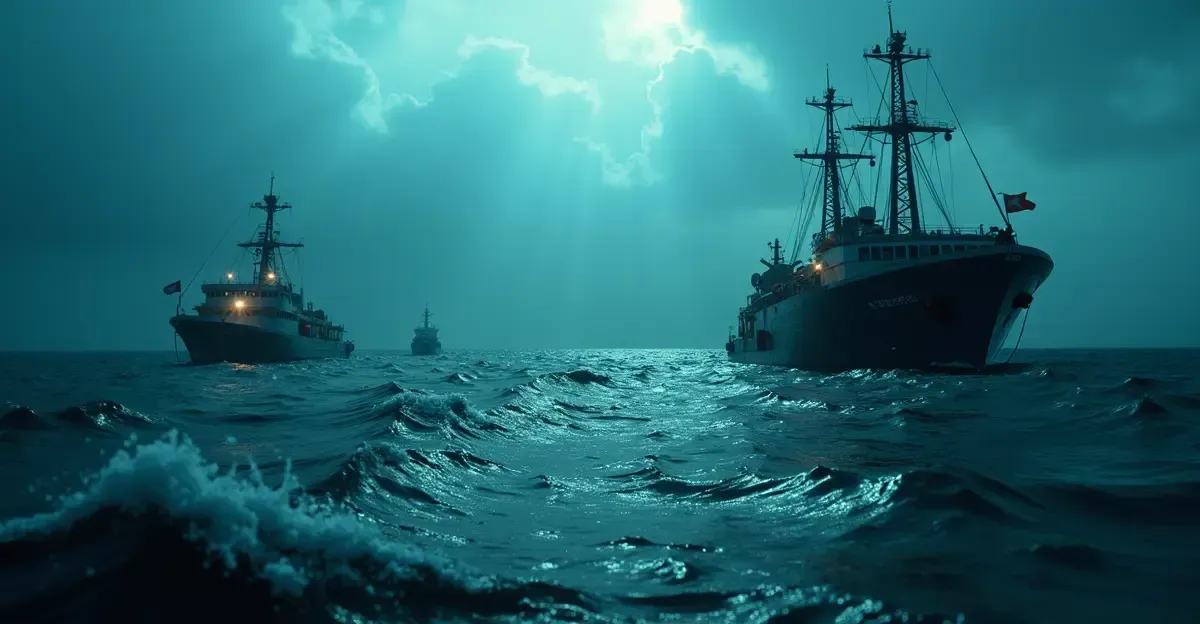
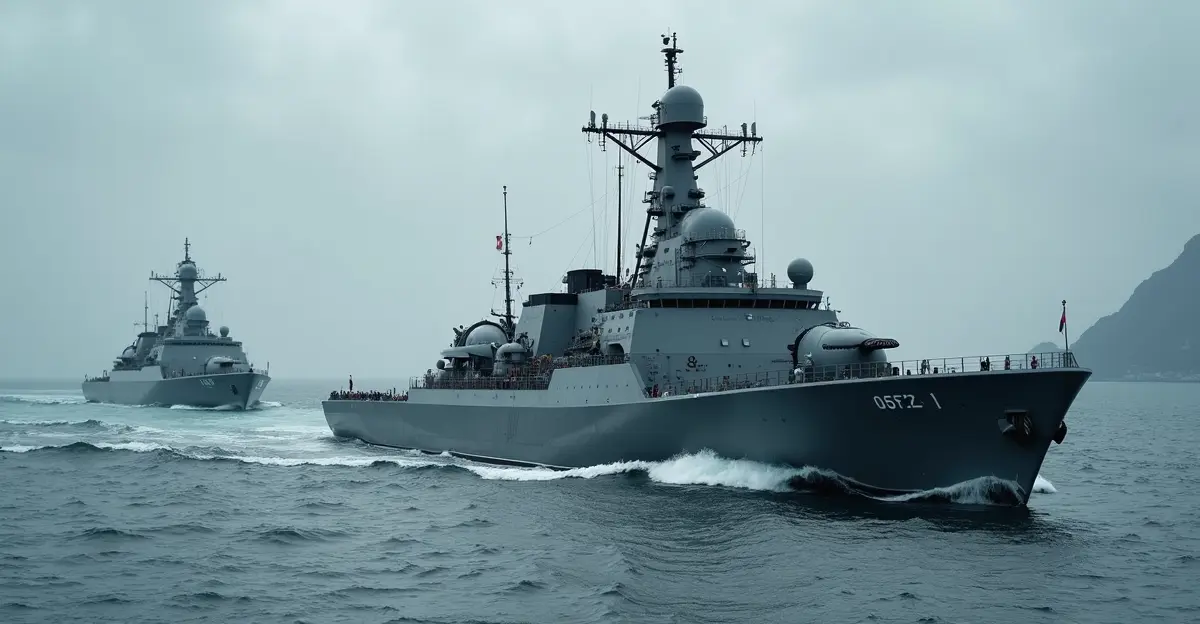
British authorities have documented a 30% increase in Russian naval presence within the UK's Exclusive Economic Zone (EEZ) over the past two years. The primary concern is the Russian spy ship Yantar, which belongs to Russia's secretive Directorate of Deep-Sea Research (GUGI). This vessel has been systematically mapping European undersea infrastructure during three-month surveillance missions, equipped with unmanned underwater vehicles capable of reaching depths up to 6,000 meters.
'The Russians will always deny they are conducting espionage activities, but their research always seems to focus on places where underwater cables are located. Is that coincidence? Of course not,' says Kevin Rowlands, naval expert at the Royal United Services Institute.
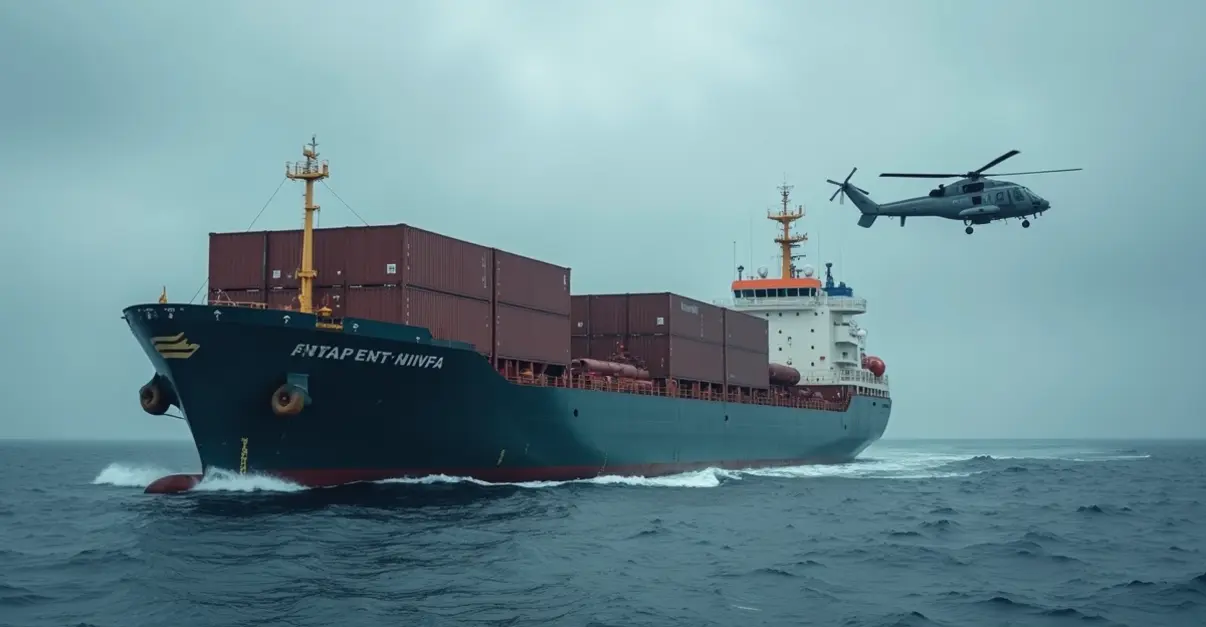
The threat became alarmingly real in early 2026 when a Russian cargo ship suddenly changed course and anchored near transatlantic cables connecting the UK with New York off the Bristol coast. Despite Russian claims of emergency repairs, British authorities forced the vessel to depart, highlighting growing tensions in European maritime security.
Critical Infrastructure at Risk
The UK serves as a crucial hub for global communications, with seventeen telecom cables running through British waters connecting North America and Europe. These cables, along with numerous electricity cables and oil/gas pipelines, form the backbone of international data exchange and energy supply.
- 119 unprotected data cables in UK waters
- 99% of UK digital communications travel via undersea cables
- $17 trillion in daily trade flows through these connections
- 42,000 kilometers of vulnerable cable length across the seabed
- Approximately 190 cable breaks occur annually
Atlantic Bastion's Revolutionary Technology
The Atlantic Bastion program represents a quantum leap in underwater defense capabilities, combining cutting-edge technologies with traditional naval assets:
AI-Powered Underwater Drones
The program features SG-1 Fathoms – fully automated underwater drones equipped with artificial intelligence and packed with sensors. These autonomous gliders, developed by defense technology company Helsing, can operate for extended periods monitoring vast ocean areas for suspicious activity.
Integrated Detection Network
Atlantic Bastion creates a comprehensive sensor network combining:
| Technology | Function | Capability |
|---|---|---|
| SG-1 Fathom Drones | Autonomous underwater monitoring | AI-powered threat detection |
| BAE Systems Herne XLAUVs | Extra-large autonomous vehicles | Extended range operations |
| Anduril Seabed Sentry | Fixed underwater nodes | Continuous monitoring |
| RAF P-8 Poseidon Aircraft | Aerial surveillance | Anti-submarine warfare |
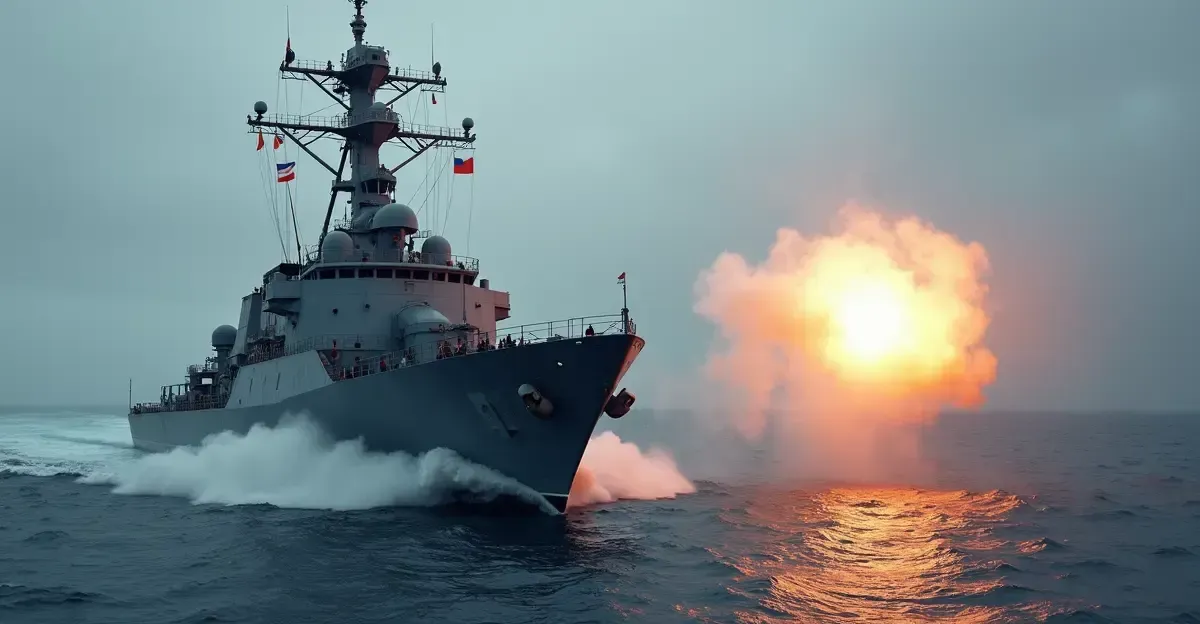
| Type 26 Frigates | Surface patrols | Traditional naval presence |
Industry Collaboration
The program has attracted significant industry participation, with 26 UK and European defense firms submitting proposals for anti-submarine sensor technology. Major partners include BAE Systems, Helsing, and Anduril, creating thousands of British jobs in the growing £350 billion hybrid navy sector.
Strategic Importance and NATO Implications
Atlantic Bastion addresses critical vulnerabilities in the GIUK gap (Greenland-Iceland-UK), where most of the world's data traffic flows. This strategic initiative positions the UK as a leader in autonomous naval systems and strengthens NATO's North Atlantic defense strategy against Russia's modernizing Northern Fleet.
'My message to Putin and Russia is this: we see what you're doing. If you send the Yantar this way again, we're ready,' declared UK Defence Secretary John Healey.
The program follows increased Russian submarine patrols in the North Atlantic, which have doubled since 2022 according to NATO intelligence. It also complements existing NATO initiatives like Operation Baltic Sentry, which protects undersea infrastructure in the Baltic Sea region.
Future Deployment and Challenges
Atlantic Bastion capabilities are scheduled for deployment in 2026, with the system designed to find, track, and act against adversaries across vast ocean areas. However, defense officials acknowledge challenges including:
- Monitoring 700,000 square kilometers of UK EEZ
- Outdated legal frameworks governing undersea conflict
- Resource adequacy for comprehensive coverage
- Operational maturity of new technologies
The UK's approach represents a modern successor to Cold War-era SOSUS listening arrays, adapting traditional defense concepts to contemporary hybrid warfare threats in the digital infrastructure security domain.
FAQ: Atlantic Bastion and Undersea Cable Protection
What is Atlantic Bastion?
Atlantic Bastion is the UK's £14 million AI-powered defense program launched in 2025 to protect undersea cables and pipelines from Russian surveillance and sabotage threats, with deployment scheduled for 2026.
Why are undersea cables so vulnerable?
Undersea cables are vulnerable because 99% of their 42,000-kilometer length across the seabed has no protection, they experience about 190 breaks annually, and monitoring vast ocean areas is extremely challenging.
What is the Russian Yantar ship?
The Yantar is a Russian spy ship belonging to Russia's secretive GUGI military division, equipped with unmanned underwater vehicles capable of mapping, tapping, or cutting undersea cables at depths up to 6,000 meters.
How does Atlantic Bastion use AI?
The program uses AI-powered acoustic detection technology in autonomous underwater drones like the SG-1 Fathoms to identify, track, and respond to threats in real-time across vast ocean areas.
What economic impact would cable sabotage have?
Sabotage of undersea cables could disrupt $17 trillion in daily trade, 99% of transatlantic communications, and critical energy supplies, causing massive economic and social disruption.

Follow Discussion