


 Deutsch
 English
 Español
 Français
 Nederlands
 Português


 Share
Share




What is the North Korea-Belarus Friendship Treaty?
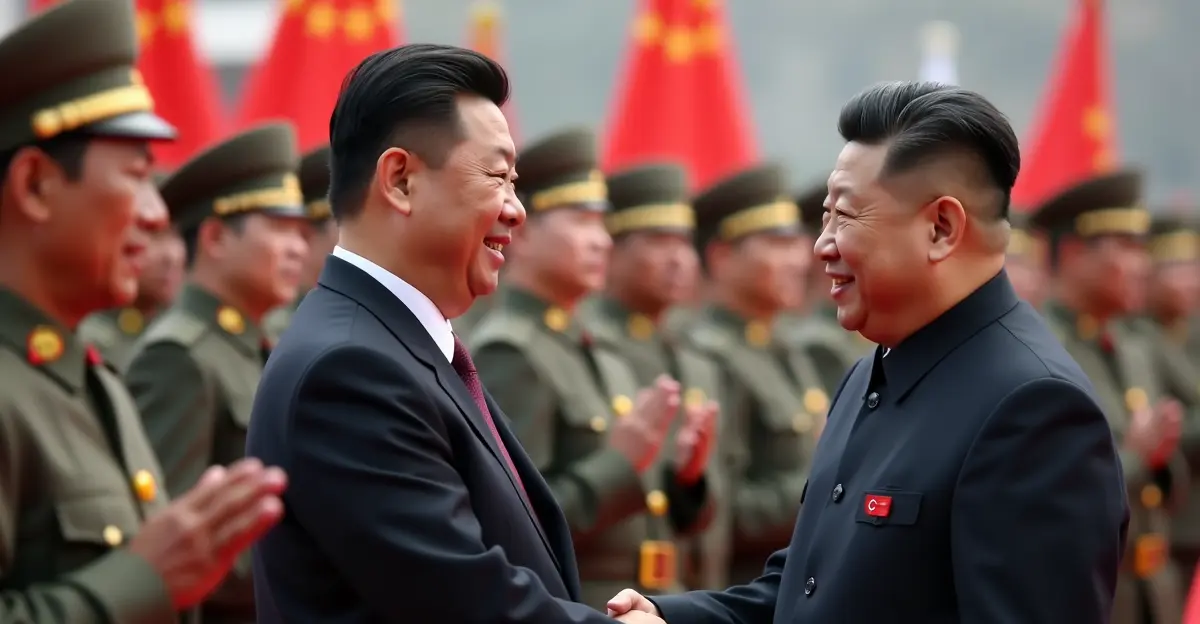
North Korean leader Kim Jong-un and Belarusian President Alexander Lukashenko signed a comprehensive 'friendship and cooperation treaty' on March 26, 2026, marking a significant strengthening of ties between two key Russian allies facing extensive Western sanctions. The agreement, signed during Lukashenko's first official visit to Pyongyang, represents a strategic alignment between nations that have both supported Russia's war against Ukraine and face international isolation. The treaty includes provisions for enhanced cooperation in agriculture, pharmaceuticals, information technology, education, and potentially military collaboration, establishing what both leaders described as a 'fundamentally new stage' in bilateral relations.
Historical Context and Background
Belarus-North Korea relations date back to the Soviet era, with North Korean President Kim Il Sung visiting Minsk in 1984. Diplomatic relations were formally established in 1992, but ties remained relatively limited until recent years. In 2020, Lukashenko called for improving relations, stating they were at an 'unreasonably low level' and suggesting cooperation in medication, food production, and professional training. The 2026 treaty represents the culmination of this diplomatic push, occurring against the backdrop of both nations' deepening alignment with Russia and increasing confrontation with Western powers. This development mirrors similar Russia-China strategic partnerships that have reshaped global geopolitics in recent years.
Key Provisions of the 2026 Treaty
Economic Cooperation Areas
The treaty establishes frameworks for cooperation in several key sectors:
- Agriculture: Belarus aims to export agricultural technology and expertise to North Korea
- Pharmaceuticals: Belarusian pharmaceutical products and medical supplies for North Korean markets
- Information Technology: Collaboration in cyber capabilities and digital infrastructure
- Education and Training: Exchange programs and professional development initiatives
- Trade Expansion: Reduction of barriers and increased bilateral commerce
Political and Strategic Dimensions
Beyond economic cooperation, the treaty includes significant political components. Both leaders emphasized their shared opposition to what they termed 'illegal Western pressure' and pledged mutual support in international forums. Lukashenko stated that 'independent countries must cooperate closely to protect sovereignty amid global transformation,' while Kim expressed 'solidarity and full support' for Belarus against Western sanctions. The agreement reinforces three-way coordination among North Korea, Russia, and Belarus, creating what analysts describe as an emerging anti-Western alliance challenging U.S.-led global order.
Ceremonial Significance and Symbolism
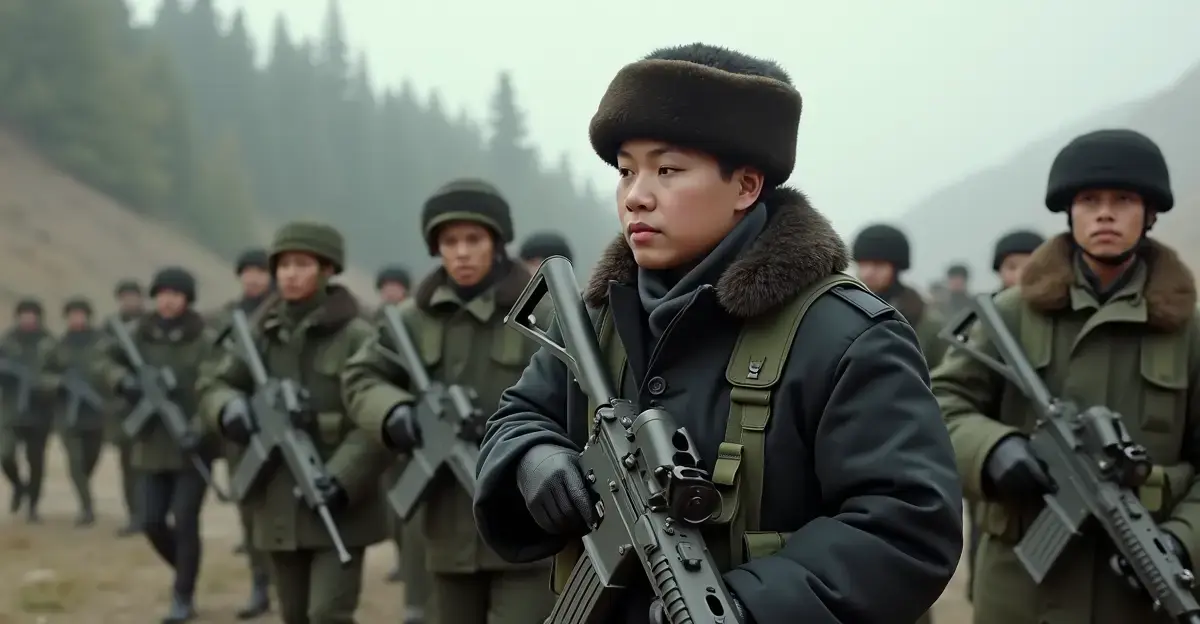
The treaty signing was accompanied by elaborate ceremonies designed to showcase the importance both leaders place on the partnership. Lukashenko received a lavish welcome at Pyongyang's Kim Il Sung Square featuring marching soldiers, artillery salutes, and flag-waving crowds. The Belarusian president visited the Kumsusan Palace of the Sun, where he laid flowers at the resting places of Kim Il Sung and Kim Jong Il, reportedly placing a bouquet on behalf of Russian President Vladimir Putin. This symbolic gesture underscored the triangular relationship between the three nations and their shared opposition to Western policies. The leaders exchanged symbolic gifts, including a sword from Kim and an assault rifle from Lukashenko, further emphasizing the military dimension of their partnership.
Geopolitical Implications and International Response
Impact on Ukraine War Dynamics
The treaty has significant implications for the ongoing conflict in Ukraine. Both Belarus and North Korea have provided substantial support to Russia's war effort:
| Country | Support Provided to Russia | Consequences |
|---|---|---|
| Belarus | Territory for invasion launch, Russian nuclear weapons hosting | EU and U.S. sanctions, international isolation |
| North Korea | Thousands of troops, artillery shells, missiles | UN sanctions, estimated 2,000 soldier casualties |
The strengthened Belarus-North Korea partnership could facilitate additional military cooperation and weapons transfers, potentially impacting battlefield dynamics in Ukraine. This development occurs alongside other global sanctions regimes targeting Russian allies.
Western Sanctions and International Isolation
Both nations face extensive international sanctions:
- North Korea: UN sanctions for nuclear weapons development and support for Russia's war
- Belarus: EU and U.S. sanctions for human rights violations and support for Russia's invasion
- Shared Challenges: Economic isolation, limited international partnerships, financial restrictions
The treaty represents a strategic effort to break out of this isolation by creating alternative economic and political partnerships outside Western-dominated systems.
Future Outlook and Strategic Considerations
The North Korea-Belarus treaty signals several important trends in global geopolitics. First, it reflects Kim Jong-un's foreign policy shift toward building an 'anti-West alliance' and pursuing a 'multipolar world order' challenging U.S. hegemony. Second, it demonstrates how sanctioned nations are creating parallel economic and diplomatic networks to circumvent Western restrictions. Third, the agreement strengthens Russia's position by consolidating support from key allies amid its confrontation with NATO countries. As Lukashenko stated during the visit, 'We are very much alike,' highlighting the shared authoritarian governance models and opposition to Western liberal democracy that unite the two regimes.
Frequently Asked Questions (FAQ)
What does the North Korea-Belarus treaty actually do?
The treaty establishes a legal framework for enhanced cooperation in agriculture, pharmaceuticals, information technology, education, and potentially military collaboration between the two nations.
Why is this treaty significant geopolitically?
It strengthens the anti-Western bloc led by Russia and China, creates alternative economic networks for sanctioned nations, and could impact the Ukraine war through increased military cooperation.
How does this affect Western sanctions?
The treaty helps both countries circumvent sanctions by creating new trade routes and partnerships outside Western-controlled financial systems.
What role does Russia play in this partnership?
Russia serves as the central connecting force, with both Belarus and North Korea being key allies supporting Moscow's geopolitical objectives.
Could this lead to military cooperation?
While not explicitly stated in public documents, the symbolic gift exchange and both nations' support for Russia's war suggest potential military dimensions to the partnership.
Follow Discussion