


 Deutsch
 English
 Español
 Français
 Nederlands
 Português


 Share
Share




Dutch ASML Export Controls: A Strategic Shift in Semiconductor Geopolitics
The Netherlands' recent decision to require export licenses for ASML's 1970i and 1980i DUV immersion lithography tools servicing in China represents a critical alignment with U.S. semiconductor restrictions and creates new chokepoints in China's chip manufacturing ecosystem. This strategic move, implemented in recent weeks, marks a significant escalation in semiconductor technology restrictions that could reshape global supply chains and accelerate the US-China tech decoupling.
What Are the New ASML Export Controls?
Effective September 7, 2024, the Dutch government implemented updated export license requirements for immersion DUV semiconductor equipment. ASML, the world's leading manufacturer of chip-making equipment, must now apply for export licenses with the Dutch government rather than U.S. authorities for shipments of its TWINSCAN NXT:1970i and 1980i DUV immersion lithography systems. This change harmonizes licensing approaches and aligns with U.S. Export Administration Regulation 734.4.(a).(3). The requirement was already in place for TWINSCAN NXT:2000i and subsequent DUV immersion systems, while EUV systems remain subject to existing license requirements.
According to ASML's official statement, this represents a "technical change" that won't impact their 2024 financial outlook. However, industry analysts view this as a significant strategic shift where the Netherlands is taking more initiative on national security measures rather than simply following U.S. directives. Dutch Foreign Trade Minister Reinette Klever cited national security concerns due to technological advances and geopolitical context as justification for the expanded controls.
The Strategic Implications for Global Semiconductor Supply Chains
Creating New Chokepoints in China's Chip Ecosystem
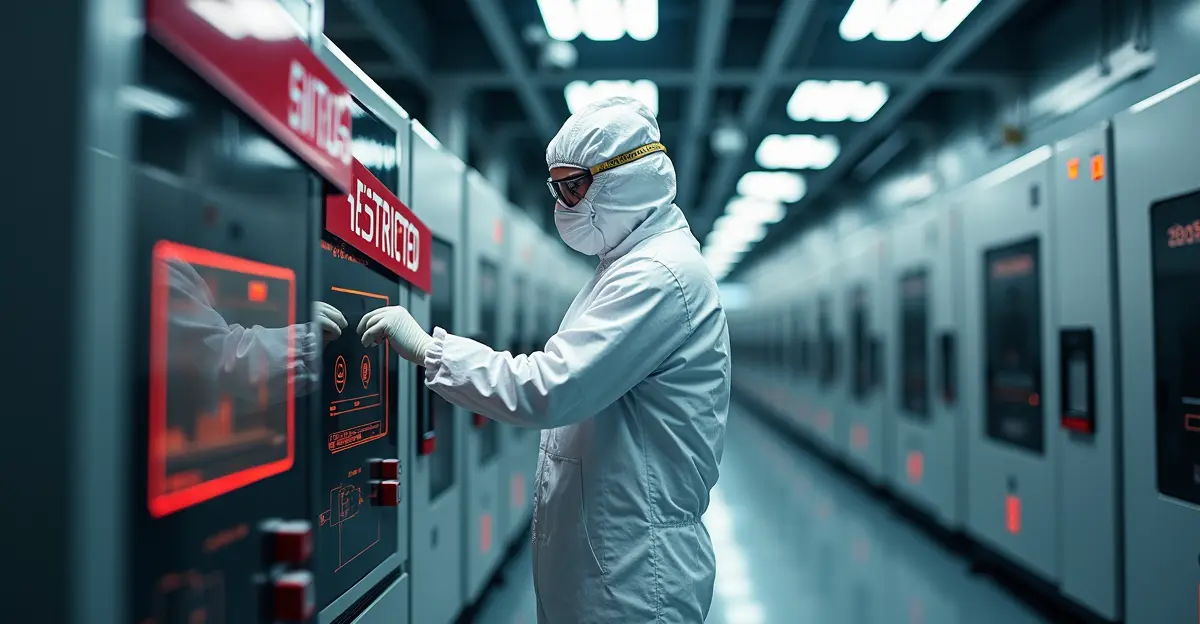
The 1970i and 1980i DUV immersion lithography systems have become workhorse tools for many Chinese semiconductor foundries. These machines are critical for producing chips at advanced nodes, and China accounted for 49% of ASML's lithography revenue in Q2 2024. The new servicing restrictions could significantly impact Chinese semiconductor production, as losing access to maintenance and spare parts could have huge short-term consequences for China's chip industry.
ASML has installed over 1,000 machines in China since 1988, though it's unclear how many are affected by the new controls. The restrictions target not just new equipment sales but also servicing and maintenance of existing installations, creating a potential time bomb for Chinese manufacturers who rely on these systems for ongoing production. This represents a more sophisticated approach to technology containment than previous outright bans.
Allied Coordination in Technology Containment
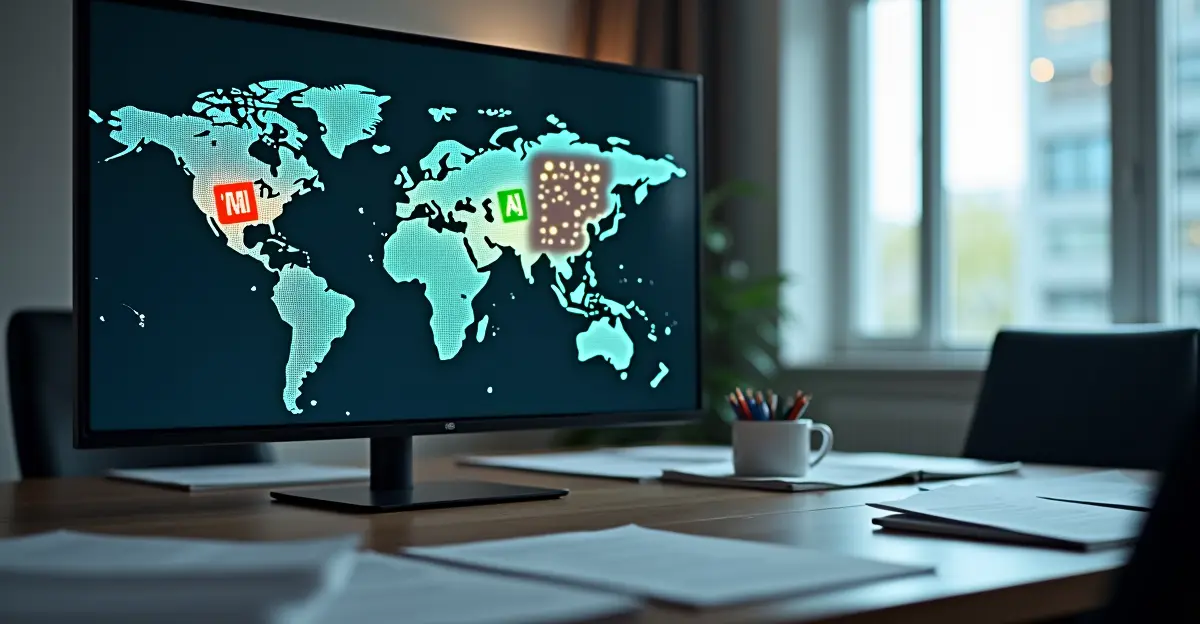
The Dutch decision represents a critical alignment with broader U.S.-led efforts to restrict China's access to advanced semiconductor technology. This coordinated approach among allies creates a more effective containment strategy than unilateral U.S. actions alone. The Netherlands' move follows years of U.S. pressure and previous Dutch export restrictions introduced last year, with the country now controlling exports of key chipmaking tools to destinations outside the European Union.
This pattern of allied coordination reflects a growing consensus among Western nations about the strategic importance of semiconductor technology and the need to maintain technological leadership. The semiconductor supply chain security has become a top geopolitical priority, with nations recognizing that control over chip manufacturing equipment provides significant strategic leverage.
Impact on China's Self-Reliance Efforts
China's Response and Strategic Dilemma
China has expressed "strong dissatisfaction" with the expanded export controls. The Chinese Ministry of Commerce condemned U.S. pressure on other countries to tighten controls and called on the Netherlands to uphold international trade agreements. China warns that if the Netherlands denies service to Chinese customers, it may lose access to China's substantial market permanently.
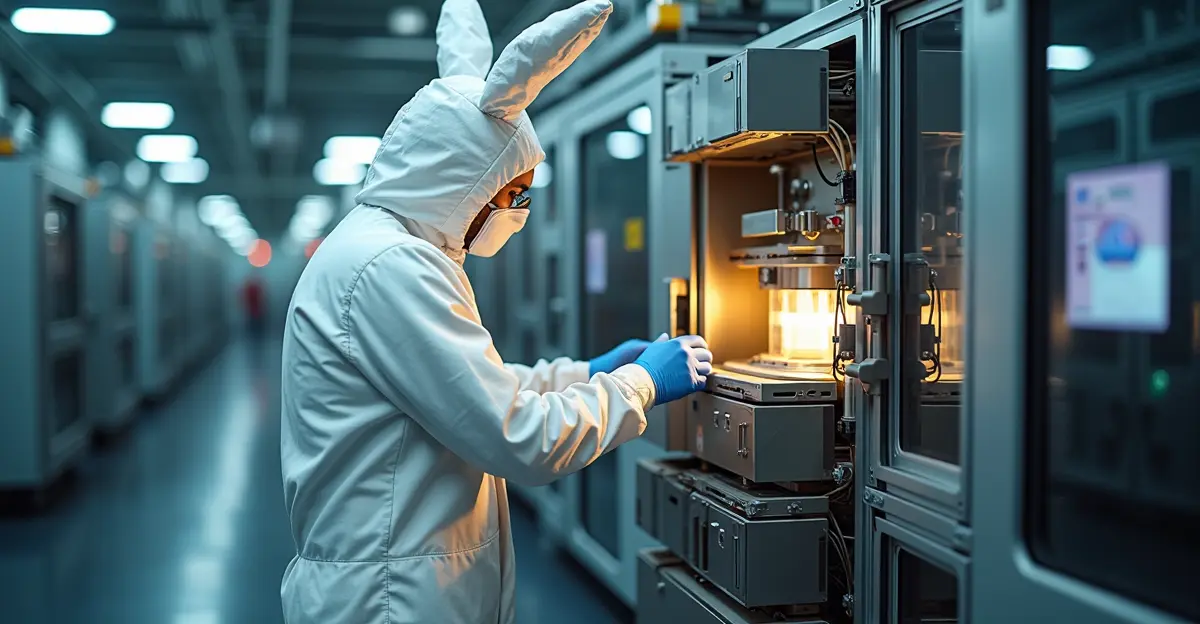
This creates a significant dilemma for China's semiconductor industry. While Chinese manufacturers are quietly upgrading older ASML DUV lithography systems to extend their useful life and performance amid tightening controls, these efforts face limitations. According to Financial Times reports, Chinese fabs including SMIC are using third-party suppliers and independent engineers to upgrade key subsystems of ASML's Twinscan NXT series immersion DUV tools. This involves sourcing replacement components through secondary markets and regulatory grey zones.
The Limits of Domestic Substitution
While China has made significant investments in domestic semiconductor equipment development, the country still faces substantial technological gaps. Chinese alternatives to ASML's advanced lithography systems remain years behind in terms of precision, reliability, and production capacity. The new servicing restrictions highlight China's continued dependence on foreign technology despite ambitious self-reliance goals.
The China semiconductor industry challenges have become increasingly apparent as export controls tighten. While upgrades to existing equipment can provide temporary relief, they cannot match the performance of newer systems or address fundamental technological limitations. This reality underscores the long-term nature of China's semiconductor development challenge.
Broader Geopolitical Implications
The Dutch ASML export controls represent more than just a technical regulatory change—they signal a fundamental shift in how nations approach technology security in an era of strategic competition. The move reflects several important trends:
- Sovereignty Reassertion: The Netherlands reclaiming export control authority from the United States represents a reassertion of national sovereignty over strategic technology assets
- Multilateral Coordination: The decision demonstrates effective allied coordination in technology containment strategies
- Supply Chain Weaponization: The focus on servicing and maintenance represents a more sophisticated approach to technology restrictions
- Long-term Strategic Planning: The controls reflect recognition that semiconductor leadership requires decades-long strategic planning
These developments have significant implications for global technology governance and the future of international trade in strategic technologies. As nations increasingly view advanced technologies through a national security lens, traditional free trade principles face growing challenges.
Expert Perspectives on the Strategic Shift
Industry analysts offer mixed perspectives on the long-term implications of the Dutch export controls. Some view the move as a necessary step to protect Western technological leadership, while others warn of potential unintended consequences. "The Dutch decision represents a sophisticated escalation in technology containment," notes semiconductor industry analyst Michael Chen. "By targeting servicing rather than just new sales, the restrictions create gradual pressure that could be more effective than outright bans."
However, other experts caution about potential blowback. "While these controls may slow China's semiconductor advancement in the short term, they also accelerate China's determination to achieve true technological independence," observes geopolitical strategist Dr. Elena Rodriguez. "The long-term effect could be the creation of a parallel semiconductor ecosystem outside Western control."
FAQ: Dutch ASML Export Controls Explained
What specific ASML equipment is affected by the new Dutch export controls?
The controls specifically target ASML's TWINSCAN NXT:1970i and 1980i DUV immersion lithography systems. These are deep ultraviolet lithography machines used for advanced chip manufacturing at nodes including 14nm, 10nm, and experimental 7nm-class processes.
How do these controls differ from previous restrictions?
Previous restrictions focused on new equipment sales, while the new controls also require licenses for servicing, maintenance, and spare parts for existing installations in China. This represents a more comprehensive approach to technology containment.
What is China's response to these export controls?
China has expressed "strong dissatisfaction" and warned that the Netherlands may lose permanent access to China's substantial semiconductor market if service is denied to Chinese customers. The Chinese Ministry of Commerce has condemned U.S. pressure on allies to implement such controls.
How will this affect global semiconductor supply chains?
The controls create new chokepoints in China's chip manufacturing ecosystem and could accelerate supply chain diversification efforts. They may also increase costs and complexity for multinational semiconductor companies operating in China.
What are the long-term implications for semiconductor geopolitics?
The Dutch decision signals growing allied coordination in technology containment strategies and reflects the increasing weaponization of supply chains in strategic competition. It may accelerate the bifurcation of global technology ecosystems.
Conclusion: A New Era of Semiconductor Geopolitics
The Netherlands' export controls on ASML's DUV lithography equipment servicing in China represent a significant milestone in semiconductor geopolitics. This strategic shift demonstrates how nations are increasingly using technology controls as instruments of statecraft in an era of strategic competition. While the immediate impact may be limited, the long-term implications could reshape global semiconductor supply chains and accelerate the technology decoupling trends between China and Western nations.
As the semiconductor industry continues to evolve, these geopolitical dynamics will likely become increasingly important factors shaping technological development and international trade. The Dutch decision serves as a reminder that in the 21st century, technological leadership is not just an economic issue but a fundamental component of national security and strategic competition.


Follow Discussion