Nederlands
 English
 Deutsch
 Français
 Español
 Português





Red Sea Shipping Security Alert: A Persistent Crisis
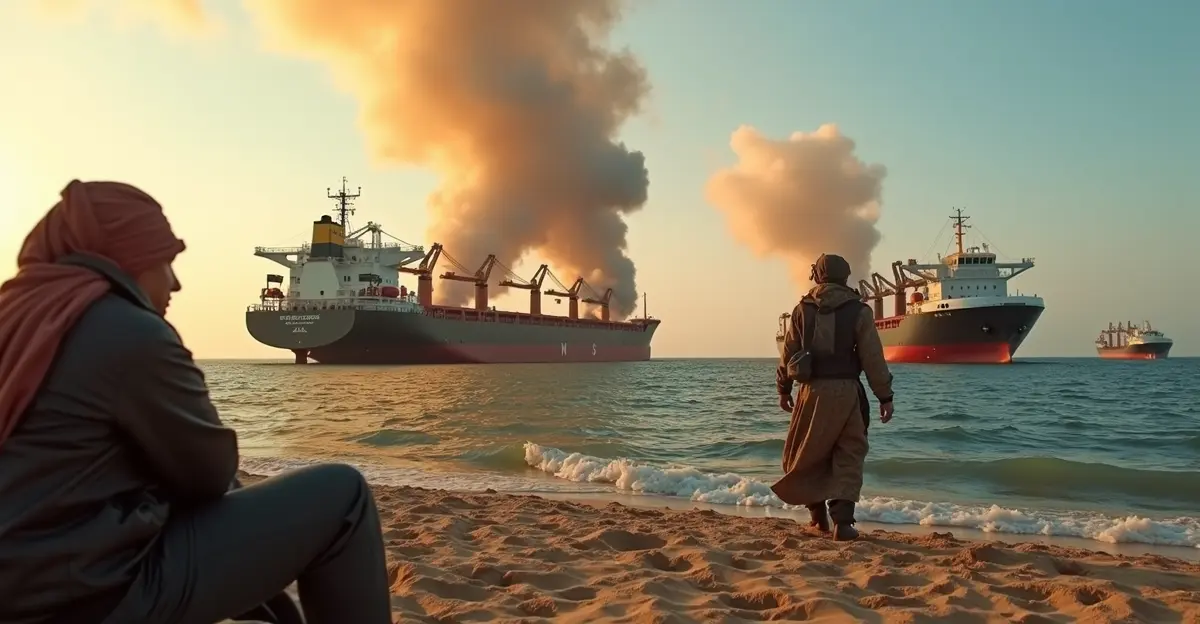
The Red Sea shipping crisis, now entering its third year, continues to pose significant security threats to global maritime trade, with profound implications for policy, markets, and coastal communities. What began in October 2023 as Houthi attacks on Israeli-linked vessels has evolved into a complex geopolitical standoff affecting 12-15% of international maritime commerce.
According to the U.S. Maritime Administration Advisory 2025-001, Houthi forces in Yemen continue to pose significant threats to commercial vessels in the Southern Red Sea, Bab el Mandeb Strait, and Gulf of Aden. 'Commercial vessels remain at risk of terrorism and hostile actions despite Houthi claims of ceasing attacks,' the advisory warns.
Current Security Situation in 2026
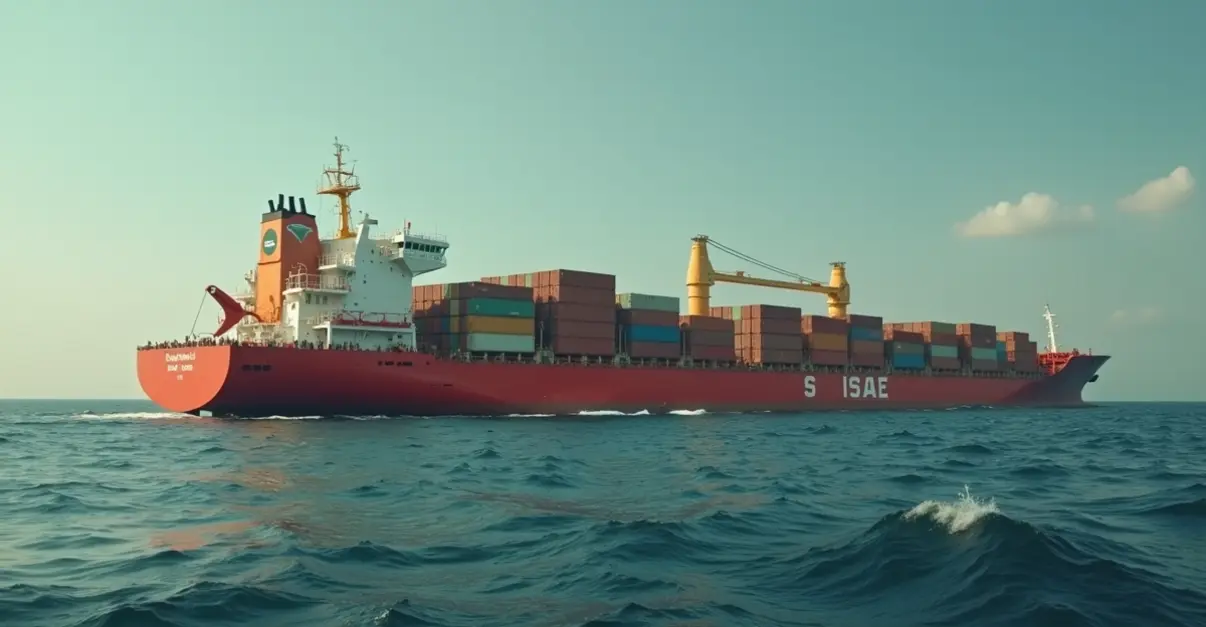
As 2026 begins, the security landscape remains volatile. Recent reports indicate Houthi rebels have issued new threats to target Israeli vessels and potentially broaden their attacks, despite ongoing ceasefire discussions. The situation has forced most major shipping companies to continue avoiding the Suez Canal, routing vessels around Africa's Cape of Good Hope instead.
'We're seeing a cautious return to Red Sea transits, but seafarer safety remains our top priority,' says a spokesperson from the World Shipping Council. 'The industry has faced over 120 attacks since November 2023, and while some carriers are testing the waters, most continue to prefer the longer but safer route around Africa.'
Economic and Market Implications
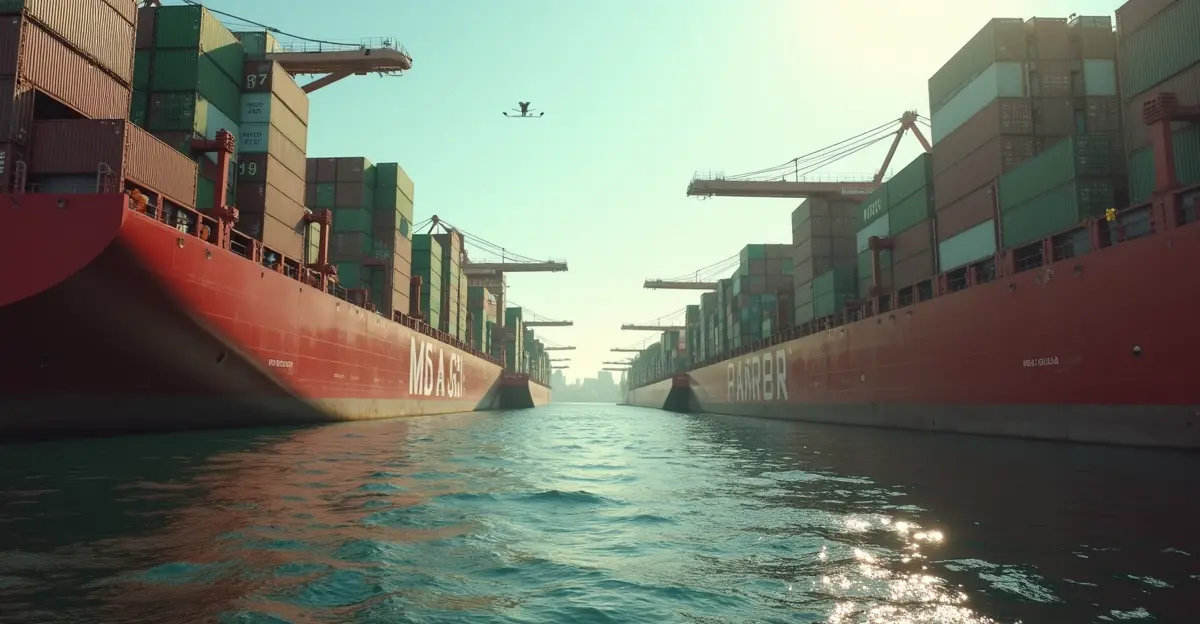
The economic impact has been substantial. Suez Canal traffic remains approximately 60% below pre-crisis levels, according to maritime analysts. The rerouting adds 10-17 days to Asia-Europe journeys, significantly increasing operational costs. Freight rates have surged due to these extended transit times and heightened security concerns.
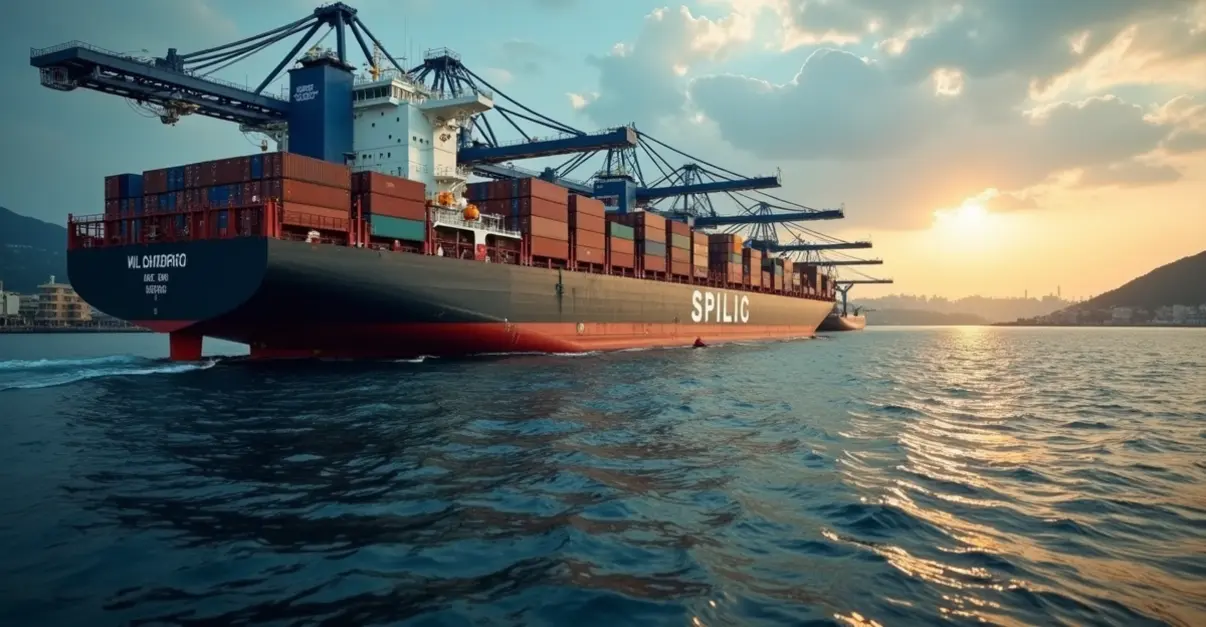
Insurance premiums have skyrocketed, with war risk insurance becoming a major cost factor for shipping companies. Industry experts note that the crisis has affected 10% of global seaborne trade, causing supply chain disruptions across multiple sectors including automotive, electronics, and agricultural products.
Policy and Regulatory Responses
Governments and international organizations have implemented various measures to address the crisis. The United Nations Security Council adopted Resolution 2722 in January 2024, condemning Houthi attacks and affirming freedom of navigation. The U.S.-led Operation Prosperity Guardian and European Union's Operation Aspides represent multinational naval efforts to protect shipping lanes.
New regulatory requirements are also emerging. Effective January 1, 2026, new mandatory SOLAS (Safety of Life at Sea) rules require immediate reporting of lost containers to improve navigational safety. Maritime security regulations are evolving rapidly, with enhanced requirements for CCTV, secure citadels, armed guards, and cybersecurity protocols.
Community and Regional Impact
Coastal communities bordering the Red Sea face significant economic challenges. Ports that once thrived on transit traffic have seen revenues decline dramatically. Fishing communities report disruptions to their traditional activities due to increased military presence and security concerns.
'The crisis has transformed our coastal economy,' says Ahmed Hassan, a port manager in Djibouti. 'What was once a bustling trade corridor has become a security zone, affecting everyone from dock workers to local businesses that depend on maritime traffic.'
Future Outlook and Strategic Shifts
Looking ahead, analysts predict a gradual return to normalcy may only occur by late 2026, with persistent risks remaining due to Houthi capabilities and political motivations. Some major carriers like Maersk and Hapag-Lloyd have announced plans to resume Suez transits in mid-February 2026, but most industry players remain cautious.
The crisis has prompted strategic shifts in global shipping. Companies are increasingly investing in alternative routes, enhanced security technologies, and diversified supply chains. The long-term implications include potential permanent changes to global trade patterns and increased emphasis on maritime security as a critical component of national and economic security.
As the situation continues to evolve, stakeholders across government, industry, and affected communities must collaborate to develop sustainable solutions that balance security needs with the free flow of global commerce.