Nederlands
 English
 Deutsch
 Français
 Español
 Português
Red Sea shipping crisis escalates in 2025 with Houthi attacks forcing vessel rerouting and insurance premiums soaring to 1% of ship value. Global trade faces delays, higher costs affecting 12-15% of worldwide commerce.

Red Sea Shipping Security Crisis Escalates in 2025
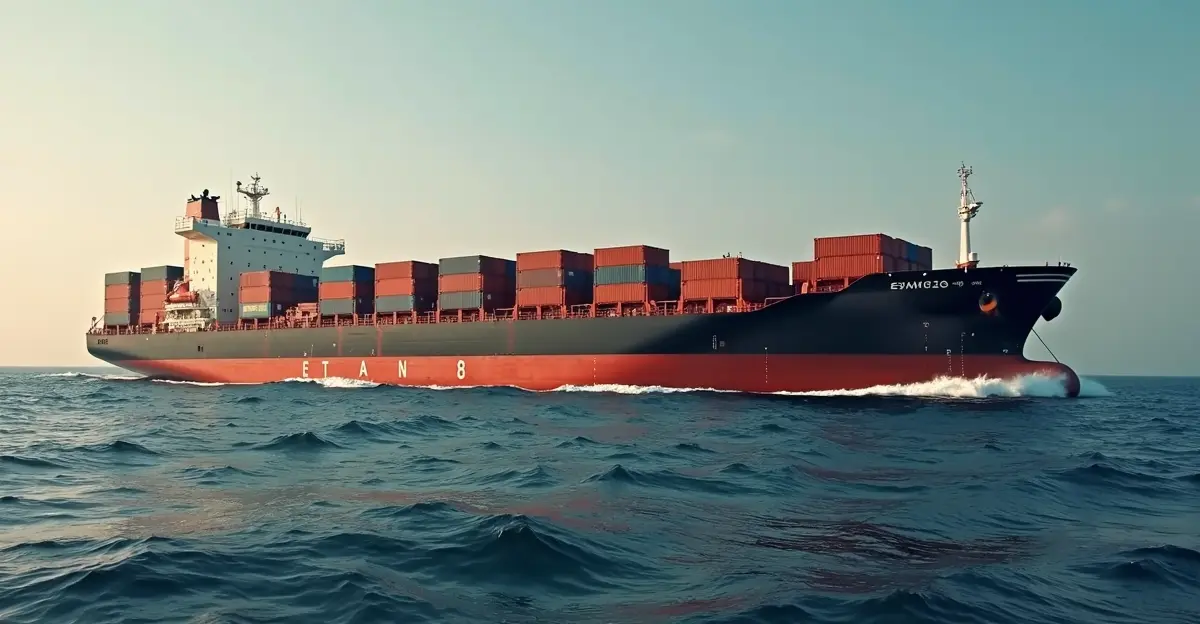
The Red Sea shipping crisis continues to wreak havoc on global trade in 2025, with Houthi attacks forcing major rerouting of vessels and sending insurance premiums soaring to unprecedented levels. What began in October 2023 as a response to the Gaza conflict has evolved into a sustained threat to one of the world's most critical maritime corridors.
Insurance Premiums Skyrocket
Recent deadly Houthi attacks have caused war-risk insurance rates to jump dramatically, increasing from 0.2-0.3% to approximately 1% of a ship's value according to Insurance Journal. This represents a return to the highest levels seen about a year ago, reflecting underwriters' renewed concerns about the dangers in this crucial waterway connecting Europe and Asia.
'The insurance market has responded to the heightened risk environment with significant premium increases,' says maritime insurance expert Sarah Chen. 'We're seeing the most dramatic jumps since the crisis began, and this directly impacts shipping costs for consumers worldwide.'
Massive Rerouting Impacts Global Trade
The crisis has forced major shipping companies to reroute vessels around Africa's Cape of Good Hope instead of using the Suez Canal, adding 10-14 days to delivery times and thousands of miles to journeys. According to UNCTAD's Review of Maritime Transport 2025, seaborne trade volumes are forecast to grow by only 0.5% in 2025, the slowest pace in years, largely due to these disruptions.
'The rerouting affects approximately 12-15% of global trade that normally passes through the Red Sea,' explains trade analyst Michael Rodriguez. 'We're seeing impacts across various industries including energy, manufacturing, and retail sectors.'
Economic Consequences Mount
The combined effect of higher insurance costs and longer shipping routes is creating a perfect storm for global supply chains. Fuel costs have spiked, freight rates have increased significantly, and delivery delays are becoming commonplace. The Maritime Fair Trade organization reports that these disruptions ripple through global supply chains, affecting everything from oil and gas to consumer goods and food, causing delays and price hikes worldwide.
'Small island developing states and least developed countries are most vulnerable to these disruptions,' notes UNCTAD Secretary-General Rebecca Greenspan. 'They face higher import costs and food insecurity as a direct result of these shipping challenges.'
Security Situation Remains Volatile
The Houthi militant group, which controls significant territory in Yemen along the Red Sea coast, has continued its campaign of targeting commercial vessels. From October 2023 to March 2024 alone, the Houthis attacked more than 60 vessels in the Red Sea according to Wikipedia's Red Sea crisis page. The group declared any Israel-linked ship was a target for attack, but they have also attacked vessels of nations with no connection to Israel.
'The security situation remains highly volatile, and we don't see a quick resolution to this crisis,' says security consultant David Thompson. 'Shipping companies must prepare for continued disruptions and higher operating costs throughout 2025.'
Future Outlook
Experts warn that without stability returning to the region, these disruptions could become the new normal. The rising costs are being passed along supply chains, ultimately affecting consumers through higher prices for goods. The situation highlights the fragility of global trade networks in the face of geopolitical turmoil and underscores the need for diversified shipping routes and enhanced security measures.
'This crisis demonstrates how interconnected our global economy truly is,' concludes international trade professor Elena Martinez. 'A disruption in one strategic waterway can have cascading effects across the entire global trading system.'