Nederlands
 English
 Deutsch
 Français
 Español
 Português





The 'Mother of All Deals': EU-India Trade Agreement Reaches Final Stage
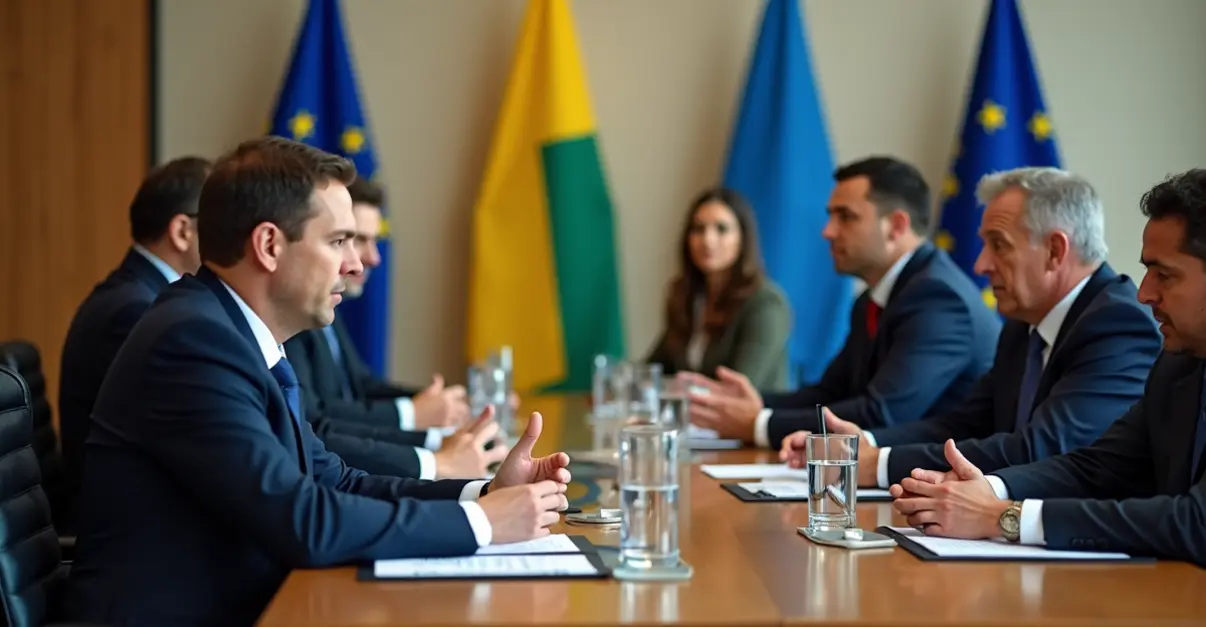
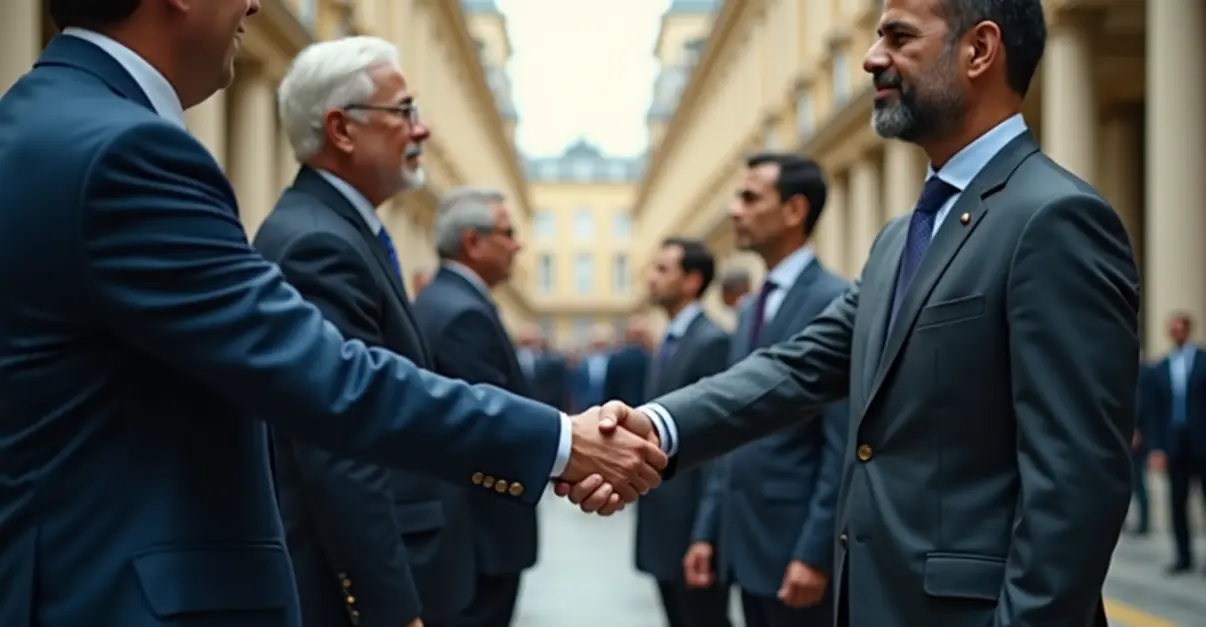
After nearly two decades of complex negotiations, the European Union and India are on the verge of finalizing what officials are calling the 'mother of all trade deals.' The landmark agreement, expected to be announced at the EU-India summit on January 27, 2026, represents one of the most significant economic partnerships of the decade, covering a market of approximately 2 billion people and nearly a quarter of global GDP.
Strategic Timing and Geopolitical Shifts
The breakthrough comes at a crucial moment for both economies. With India facing stalled negotiations with the United States and the EU seeking to diversify its economic partnerships, the timing couldn't be more strategic. 'The timing is crucial, as not only India but other Asian countries want to diversify their exports and become less dependent on the US,' says Deepali Bhargava, Asia analyst at ING.
India has been particularly affected by U.S. sanctions related to Russian oil trade, facing import tariffs as high as 50%. Despite these challenges, Indian exports grew by approximately 20% last year as the country successfully expanded its export markets beyond the U.S.
Key Components and Economic Impact
The comprehensive agreement covers 24 chapters including trade in goods, services, and investment. According to Commerce Secretary Rajesh Agrawal, the deal is 'balanced and forward-looking' and will significantly expand two-way trade, boost investment flows, and deepen economic integration.
One of the most significant changes involves automobile tariffs. India plans to slash tariffs on EU cars from as high as 110% to around 40%, while the EU will reduce trade restrictions on Indian steel exports. 'One of the things I hope to see in this deal is a reduction of Indian import tariffs on raw materials and production components,' says economist and political scientist Pushan Dutt.
Beyond Trade: Strategic Partnership
This agreement extends far beyond traditional trade matters. During India's Republic Day celebrations, the EU was represented militarily for the first time, signaling potential defense cooperation. 'It's also about cooperation in the military field,' says economist Bert Burger, specialized in the Asia-Pacific region. 'They are looking at possibilities for Indian participation in European defense initiatives, with which India reduces dependence on Russia.'
The partnership also includes discussions about a mobility pact that would make travel between the EU and India easier, and cooperation on climate initiatives, supply chains, and technology transfer.
Challenges and Sensitive Sectors
Not all sectors were included in the negotiations. Sensitive agricultural and dairy products were excluded to protect Indian farmers, a concession that helped move negotiations forward after years of stalemate. The EU had to make compromises as well, particularly regarding India's relationship with Russia and regulatory concerns like the Carbon Border Adjustment Mechanism.
According to analysis from Carnegie Europe, this partnership is driven by geopolitical shifts including U.S. retreat and China's assertiveness, with India representing a democratic middle ground for Europe.
Implementation Timeline and Future Prospects
Legal scrubbing of the agreement text is currently underway and is expected to take 5-6 months, with formal signing likely later in 2026 and implementation beginning in 2027. The EU is India's largest goods trading partner, with bilateral trade reaching $136.53 billion in 2024-25, and this agreement is expected to significantly boost those numbers.
'India and the EU both want to develop strategic autonomy and economic resilience with this deal,' says Burger. The political signal is strong, with both parties recognizing that this agreement could reshape global trade dynamics and create new economic opportunities for approximately a quarter of the world's population.