


 Deutsch
 English
 Español
 Français
 Nederlands
 Português


 Share
Share




Diplomatic Crisis Escalates as Iran Protests EU Terror Designation
Iran has summoned European Union ambassadors in Tehran to formally protest the bloc's decision to designate the Islamic Revolutionary Guard Corps (IRGC) as a terrorist organization. This diplomatic confrontation marks a significant escalation in tensions between Iran and Western nations following the EU's landmark decision last week.
The EU's Historic Decision
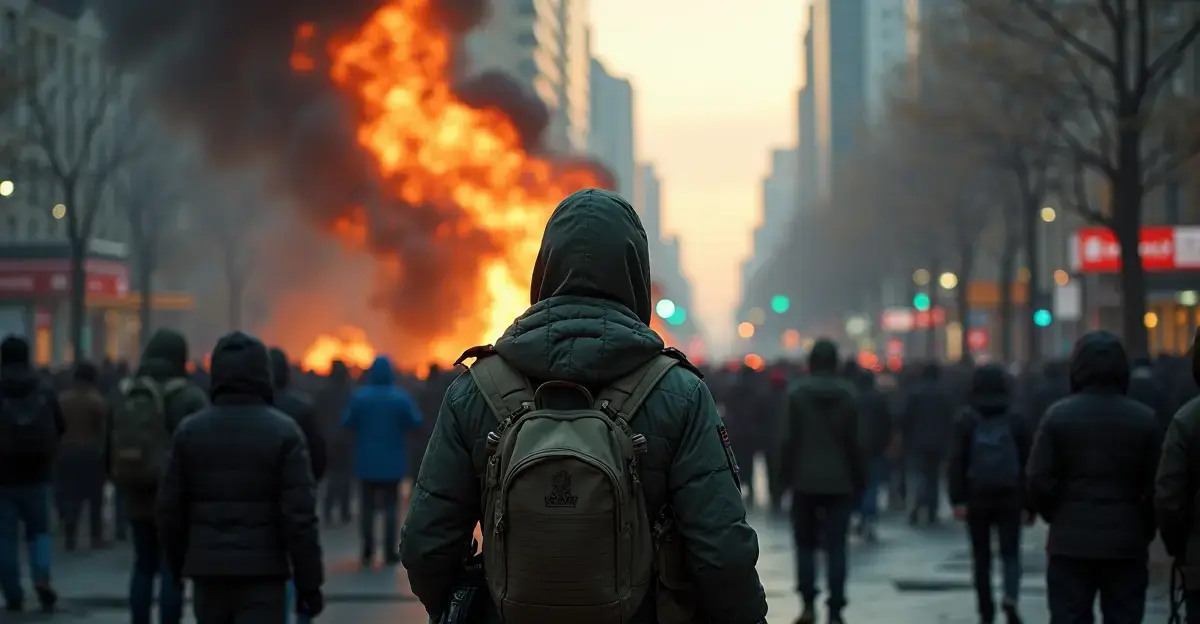
The European Union officially added Iran's elite military force to its terrorism blacklist in response to the IRGC's brutal crackdown on nationwide protests in January 2026. According to human rights organizations, security forces killed thousands of demonstrators during the unrest that began in late December 2025. 'Repression cannot go unanswered,' stated EU foreign policy chief Kaja Kallas, placing the IRGC on the same level as groups like al-Qaeda and ISIS.
The designation represents a major policy shift for the EU, which had previously resisted such a move despite pressure from the United States. The EU's decision includes fresh sanctions on 15 Iranian officials and six organizations linked to human rights violations and military support for Russia.
Iran's Diplomatic Response
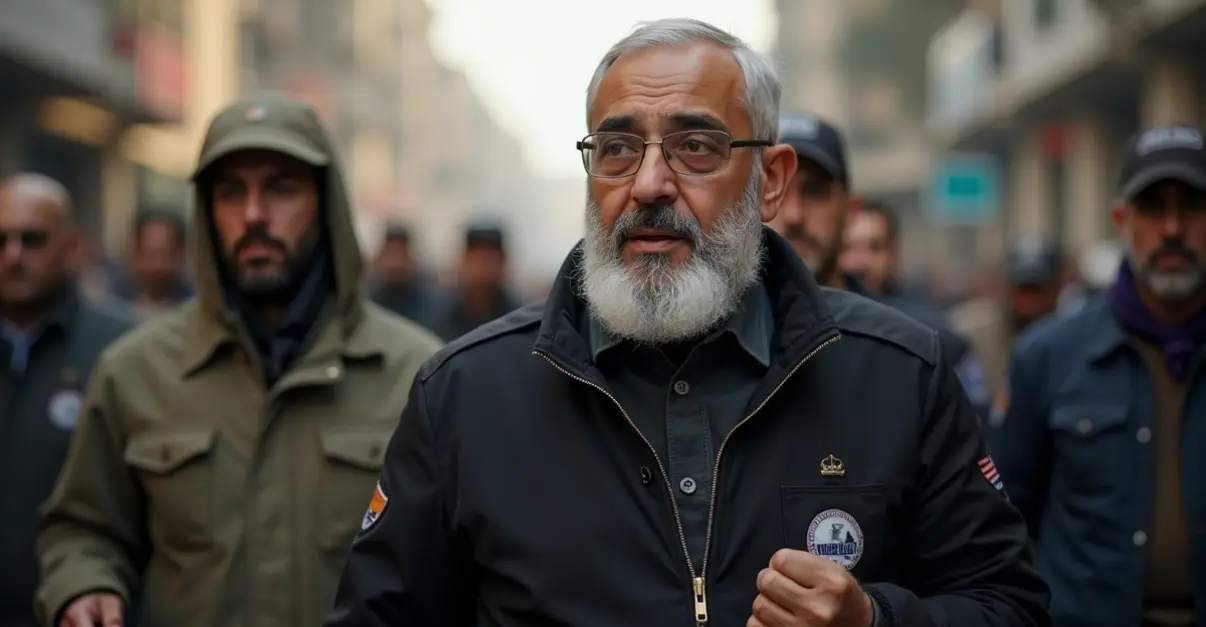
Iranian Foreign Ministry spokesman Nasser Kanaani called the EU's action a 'minimal measure' and confirmed that ambassadors from all EU member states, including the Netherlands, were summoned to receive Iran's formal protest. 'This illegal, unreasonable and very wrong move will not go unanswered,' warned Iranian officials, who are preparing reciprocal actions against what they view as an unjustified designation of their key military institution.
In a dramatic show of defiance, Iranian lawmakers donned IRGC uniforms during a parliamentary session, while the government declared all EU militaries as terrorist groups under domestic law. 'We are ready to respond to any aggression,' declared Foreign Minister Abbas Araghchi in an interview with CNN.
The IRGC's Powerful Role
The Islamic Revolutionary Guard Corps, established after Iran's 1979 Revolution, has grown into a formidable military, political, and economic force. With approximately 125,000 personnel and control over major sectors of Iran's economy including energy and food industries, the IRGC wields immense influence. According to Wikipedia, the IRGC's constitutional mandate is to ensure the integrity of the Islamic Republic and prevent foreign interference.
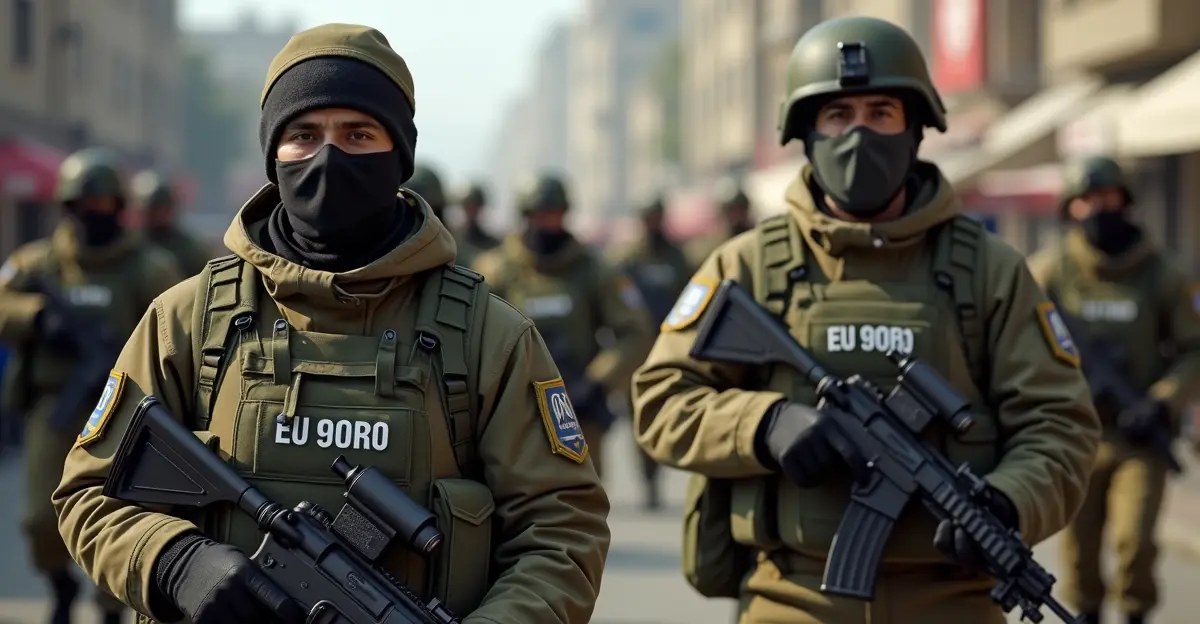
The organization's Basij paramilitary volunteer militia, with about 90,000 active personnel, played a key role in suppressing the recent protests. Human rights groups documented systematic violence across Iran, with confirmed deaths reaching 6,479 and thousands more under review.
Regional and International Implications
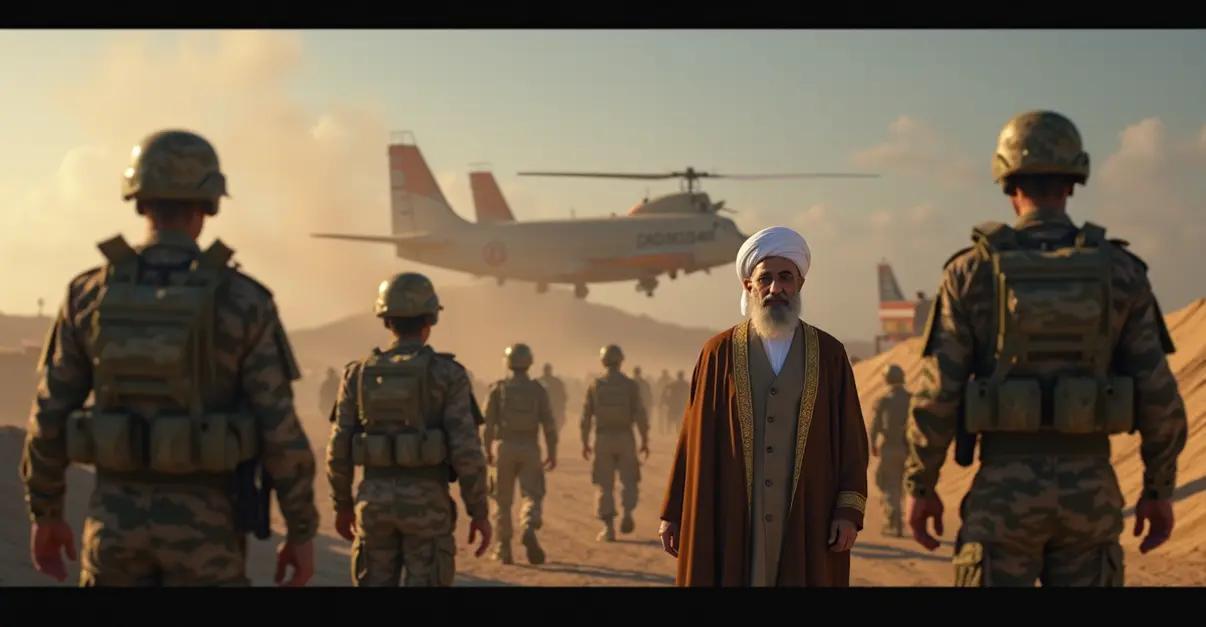
The diplomatic crisis unfolds against a backdrop of heightened regional tensions. The United States has deployed the USS Abraham Lincoln aircraft carrier group to the Middle East, while Iranian-backed militias have signaled willingness to launch attacks in response to U.S. threats. Israel previously conducted airstrikes on Iranian nuclear facilities, and the U.S. bombarded three nuclear complexes in Iran.
Germany's Foreign Minister Johann Wadephul welcomed the EU decision as 'long overdue,' citing the IRGC's brutality against Iran's population and destabilizing actions abroad. The IRGC has been accused of supporting groups like Hezbollah in Lebanon and engaging in military operations in Syria that contribute to regional instability.
Turkey is attempting to mediate talks between U.S. special envoy Steve Witkoff and Iranian officials to ease tensions and prevent potential military escalation. Meanwhile, Supreme Leader Ali Khamenei has warned of regional conflict if the U.S. attacks Iran, stating that 'rioters should be put in their place.'
Economic and Political Context
The recent protests began as economic demonstrations against currency collapse and soaring inflation but quickly evolved into calls for systemic political change. Iran hopes to negotiate the lifting of strict international sanctions that have crippled its economy, but the EU's terror designation complicates diplomatic efforts.
The IRGC's designation by the EU aligns the bloc more closely with the United States, which previously designated the IRGC as a terrorist group in 2019. Australia, Canada, Bahrain, Saudi Arabia, and several other countries have also designated the organization as terrorist, while the United Kingdom has not yet taken this step.
As diplomatic tensions mount, the international community watches closely to see whether this confrontation will lead to further escalation or open new avenues for dialogue in a region already fraught with conflict.
Follow Discussion