Deutsch
 English
 Español
 Français
 Nederlands
 Português







Major Cyber Attack Disrupts Iranian State Television
In a bold act of digital defiance, hackers successfully breached Iran's state television network on Sunday night, broadcasting anti-regime messages and a video address from exiled Crown Prince Reza Pahlavi for approximately 10 minutes. The unprecedented cyber attack targeted the Islamic Republic of Iran Broadcasting (IRIB) network via the Badr satellite, disrupting regular programming nationwide and delivering a direct challenge to the government's media control during ongoing mass protests.
Pahlavi's Message to Iran's Military
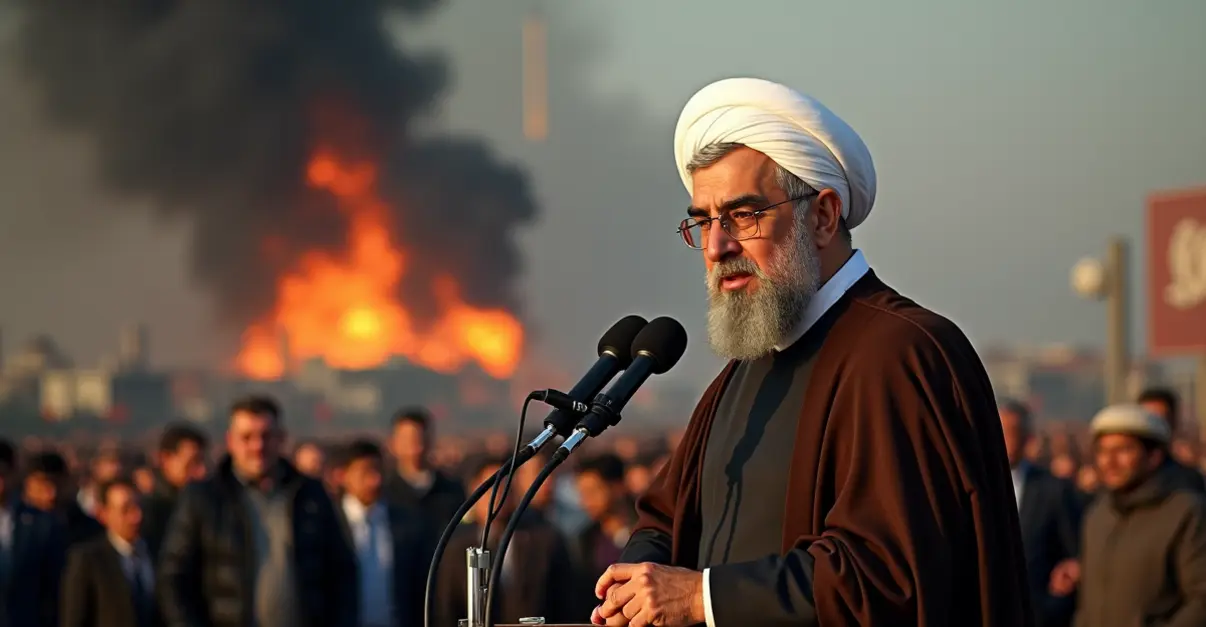
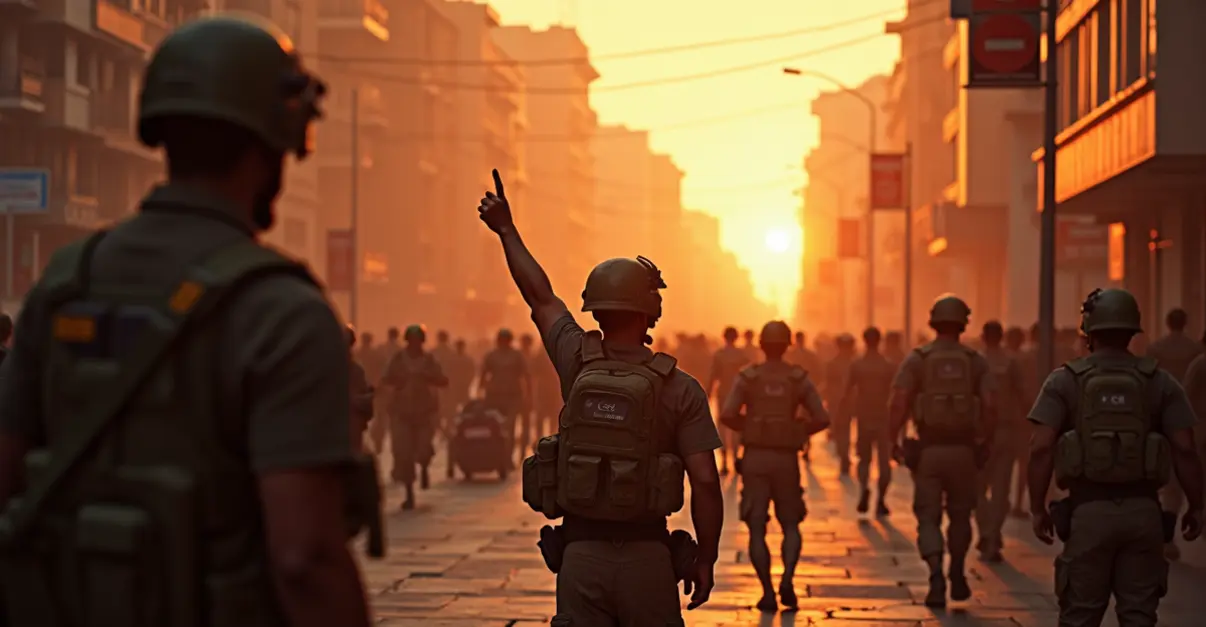
The broadcast featured Reza Pahlavi, son of the late Shah Mohammad Reza Pahlavi who was overthrown in the 1979 Islamic Revolution, delivering a powerful message to Iran's security forces. 'I have a special message for the army,' Pahlavi declared in the clip. 'You are the national army of Iran, not the army of the Islamic Republic. Protect your own lives. The clock is ticking, stand behind the people as soon as possible.' The exiled prince, who lives in the United States, also urged security forces not to aim their weapons at civilians.
Pahlavi's office confirmed the hack but didn't identify who was responsible. The Associated Press reported that questions about the incident went unanswered, while the Revolutionary Guard-affiliated Fars news agency only acknowledged that 'the signal was temporarily disrupted in some parts of the country by an unknown source.'
Escalating Protests and Rising Death Toll
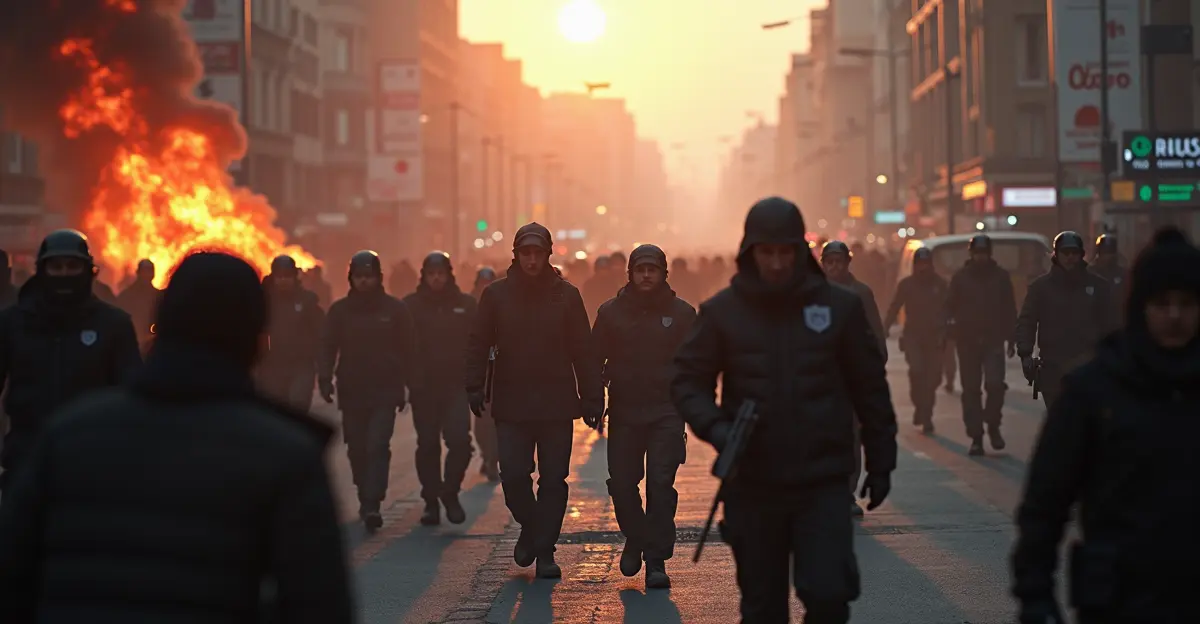
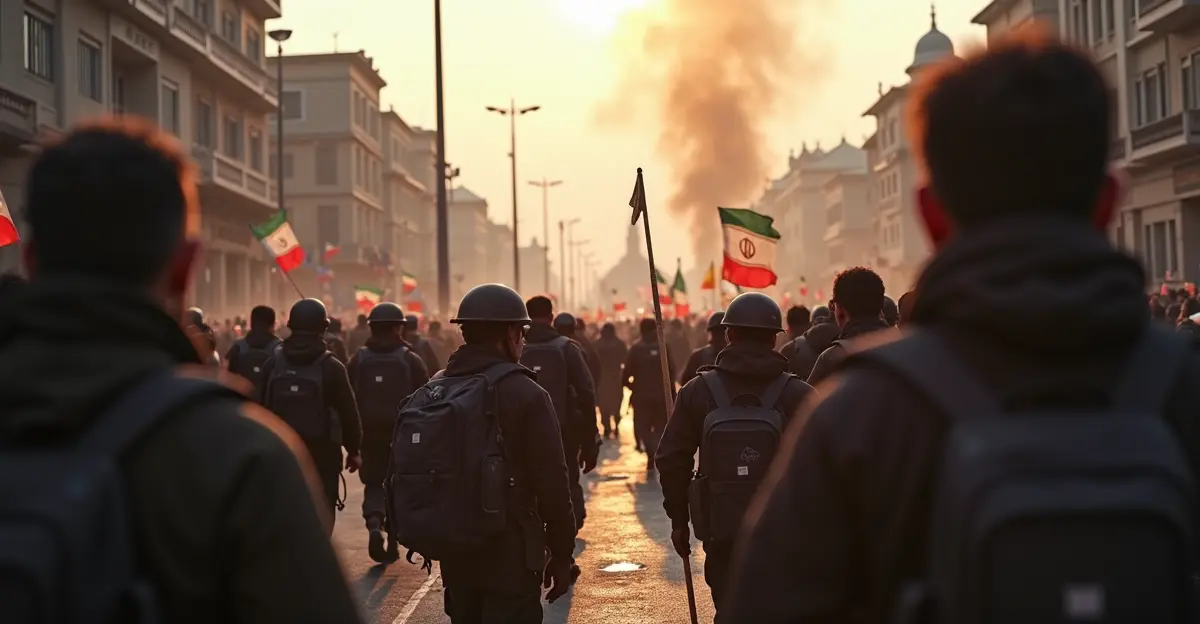
The cyber attack comes amid escalating violence in Iran, where protests that began in late December 2025 have grown into the largest anti-government movement in years. According to the U.S.-based Human Rights Activants News Agency (HRANA), at least 3,919 people have been killed in the crackdown, with expectations that the death toll will continue to rise. The organization bases its figures on a network of activists inside Iran.
Last Saturday, Supreme Leader Ayatollah Ali Khamenei acknowledged thousands of deaths but blamed them on 'terrorist representatives' of Iran's arch-enemies, specifically the United States and Israel. The admission marked a rare concession from the Iranian leadership about the scale of violence.
International Tensions and Military Movements
The situation has drawn increasing international attention, with U.S. President Donald Trump warning the Iranian regime to stop killing protesters and refrain from executing detainees. 'Help was on the way,' Trump declared, suggesting the U.S. was ready to intervene, though no action has materialized yet.
Meanwhile, military tensions are escalating. The Associated Press reports that several U.S. warships, including the aircraft carrier USS Abraham Lincoln, have moved from Singapore into the Strait of Malacca between Sumatra and Malaysia. Some American media outlets suggest the carrier group is heading toward the Middle East, where no U.S. aircraft carrier has been present recently, potentially complicating any intervention.
Internet Blackout and Uncertain Future
Assessing the current situation in Iran remains difficult due to an internet blackout that has severely limited communication with people inside the country. While protests have diminished since last Sunday due to harsh repression, the underlying tensions remain unresolved.
Iranian President Masoud Pezeshkian warned that any attack on Khamenei would be considered a declaration of total war, while Trump told Politico that 'it's time to look for new leadership in Iran.' The cyber attack on state television represents both a symbolic victory for protesters and a demonstration of the regime's vulnerabilities as Iran faces its most significant domestic challenge in decades.
Sources: AP News, Wikipedia, Army Recognition