Nederlands
 English
 Deutsch
 Français
 Español
 Português





Historic EU Decision Places Iranian Military Force on Terrorism List
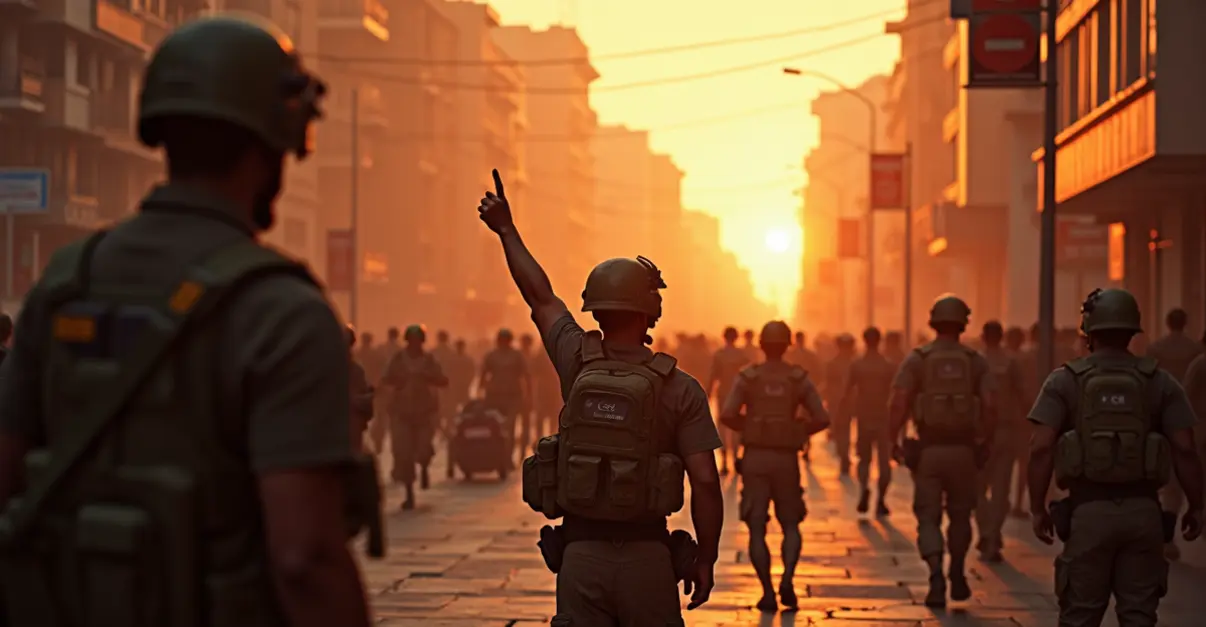
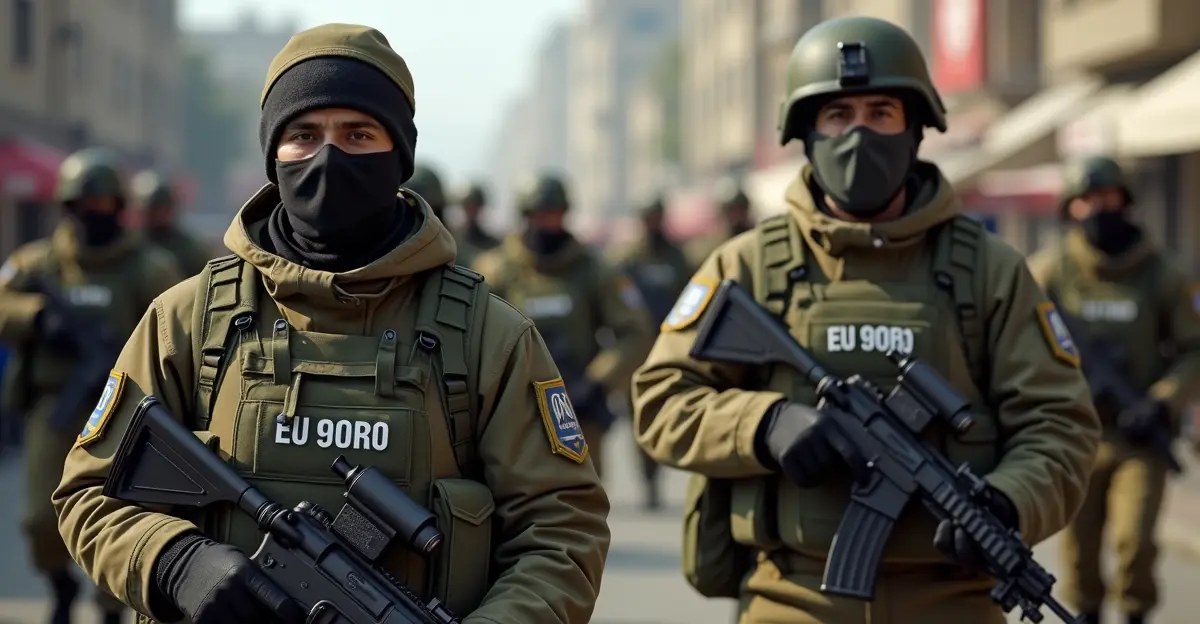
In a landmark decision that marks a significant escalation in European policy toward Iran, the European Union has officially designated Iran's Islamic Revolutionary Guard Corps (IRGC) as a terrorist organization. The unanimous decision by EU foreign ministers comes after weeks of intense diplomatic negotiations and represents a major shift in how Europe views Iran's elite military force.
Response to Brutal Crackdown on Protesters
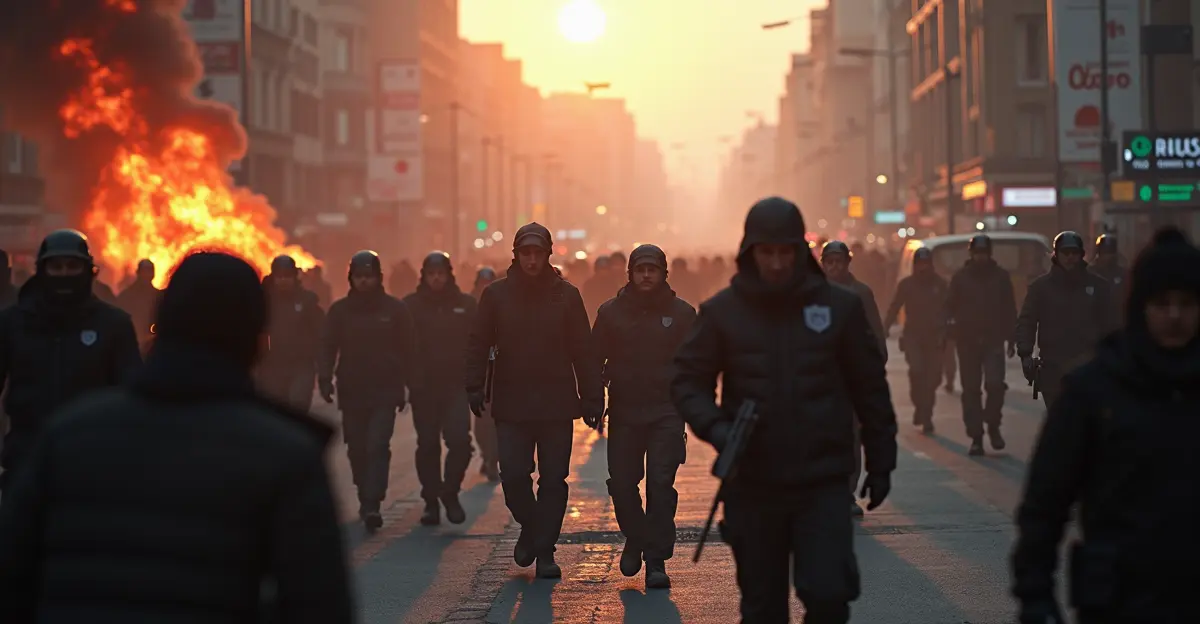
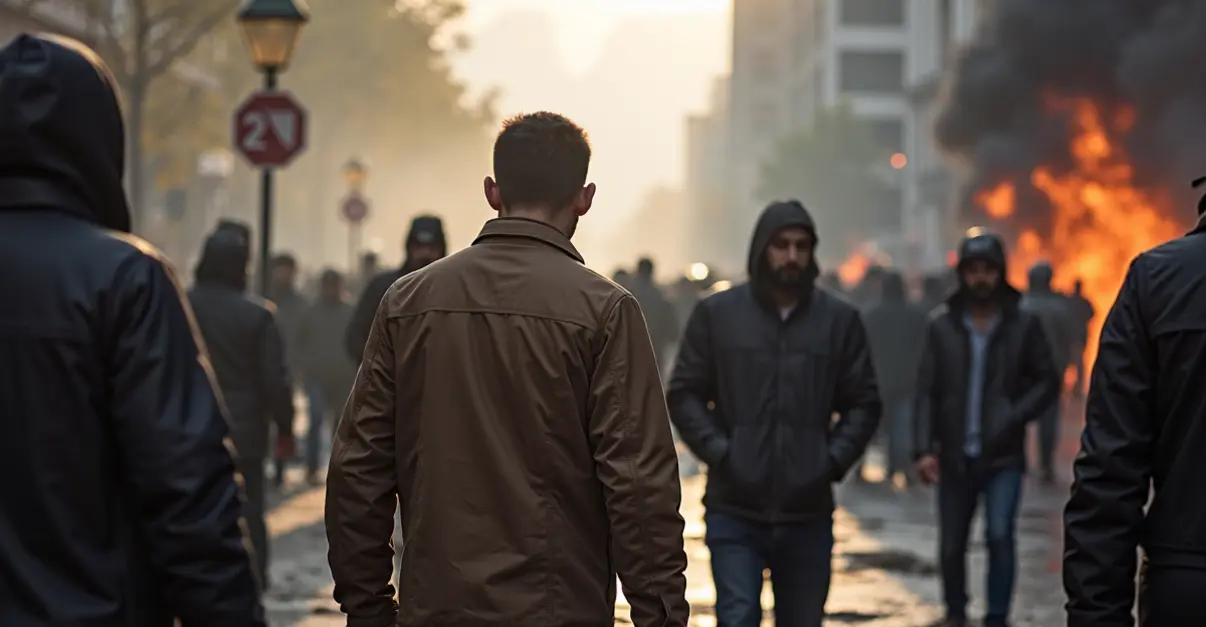
The decision follows Iran's violent suppression of nationwide protests that began in January 2026, which according to human rights organizations has resulted in more than 6,000 deaths. 'The verliezen die de burgerbevolking tijdens de protesten heeft geleden, vereisen een duidelijke reactie' (The losses suffered by the civilian population during the protests require a clear response), said Italian Foreign Minister Antonio Tajani, explaining his country's support for the measure.
EU foreign policy chief Kaja Kallas was unequivocal in her assessment: 'Hiermee plaatsen we ze op gelijke voet met al-Qaida, Hamas en IS. Als je je gedraagt als een terrorist, moet je worden behandeld als een terrorist' (With this we place them on equal footing with al-Qaeda, Hamas and ISIS. If you behave like a terrorist, you must be treated as a terrorist).
Symbolic but Significant Sanctions
While largely symbolic, the designation carries important consequences. The IRGC will now be placed on the same EU terrorism list as groups like al-Qaeda and ISIS, joining the United States, Canada, and Australia who had already applied the label. The EU also sanctioned 21 individuals and organizations for human rights violations, including Iranian Interior Minister Ahmad Momeni and several IRGC commanders.
Dutch caretaker Foreign Minister Caspar van Weel called the decision 'een belangrijke stap' (an important step), adding that 'Hiermee laten we zien dat we de Iraanse bevolking steunen en dat Europa samen opstaat tegen de repressie van het regime' (With this we show that we support the Iranian people and that Europe stands together against the repression of the regime).
Diplomatic Implications and Future Relations
The decision represents a significant diplomatic victory for countries like the Netherlands, which had long advocated for the IRGC's terrorist designation. However, it also complicates future diplomatic relations with Iran, potentially affecting negotiations over prisoner releases and nuclear talks.
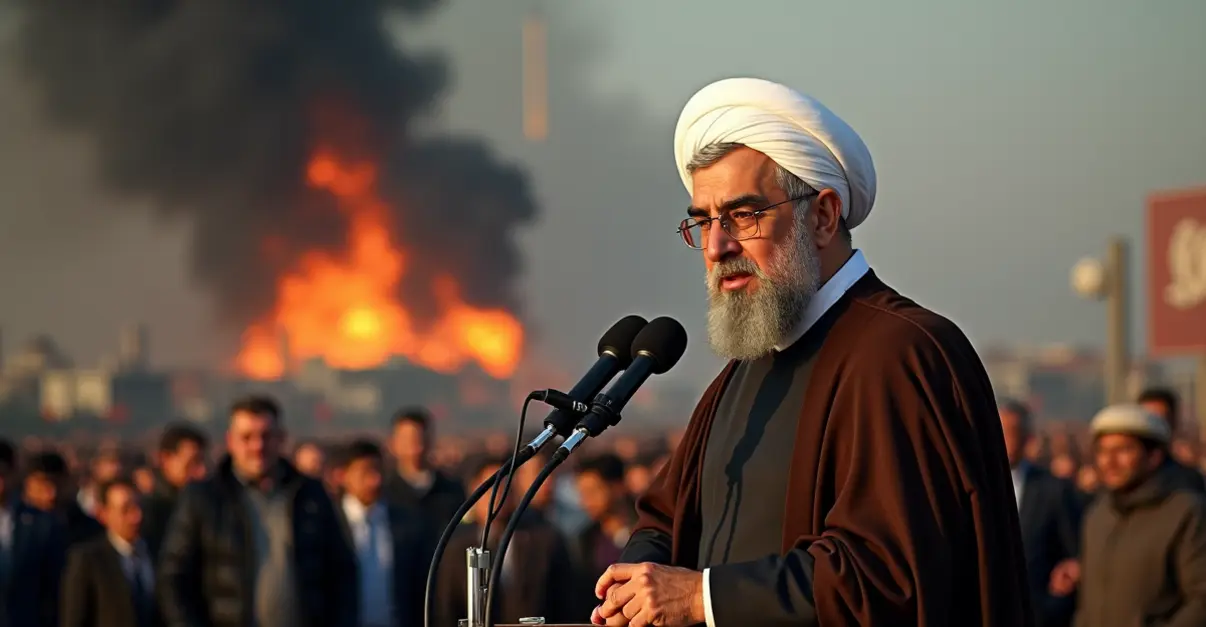
According to BBC reporting, Iran's Foreign Minister condemned the move as a 'major strategic mistake' and warned of immediate response to any aggression. The Deutsche Welle analysis notes that while the designation is largely symbolic, it represents a significant diplomatic stance against Iran's human rights abuses.
About the Islamic Revolutionary Guard Corps
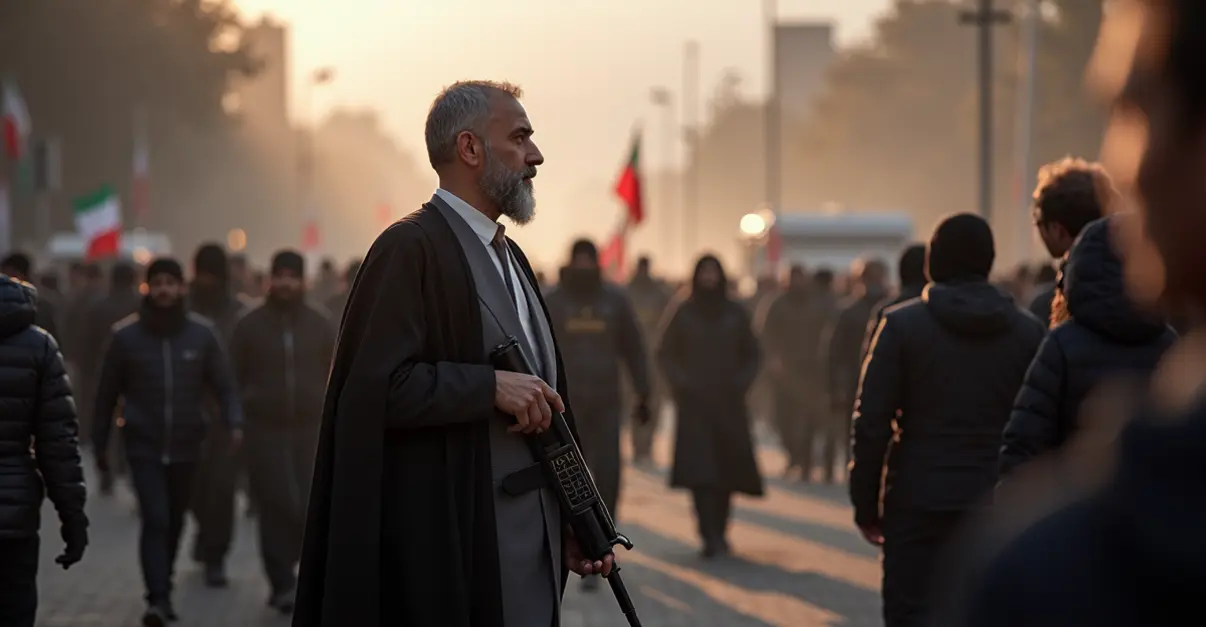
The IRGC, established in 1979 after the Iranian Revolution, has grown into a powerful military, economic, and political force within Iran. With approximately 125,000 personnel and control over significant portions of Iran's economy, the organization has been described by Wikipedia as 'an industrial empire with political clout.' The group's constitutional mandate includes ensuring the integrity of the Islamic Republic and preventing foreign interference.
The EU's decision comes at a critical moment in Iran's domestic politics and represents the strongest collective European response to Tehran's human rights record in recent memory.