Nederlands
 English
 Deutsch
 Français
 Español
 Português





Major Funding Boost for Community Market Infrastructure
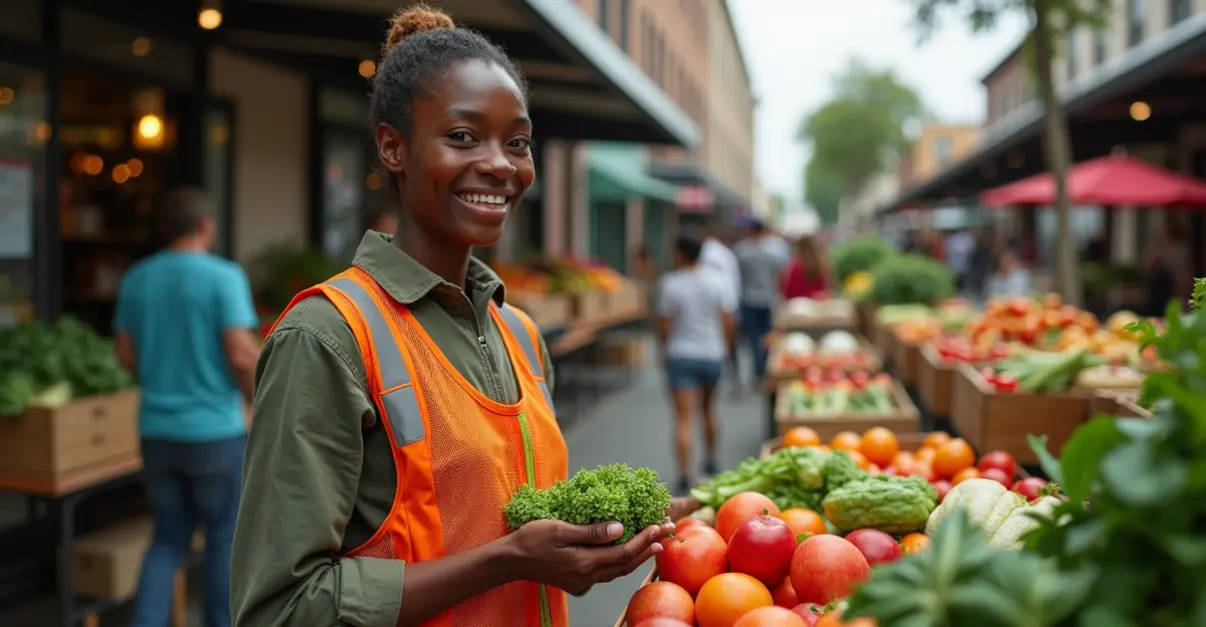
In a significant move to strengthen local food systems, the Urban Agriculture Resilience Program has awarded substantial grants to community markets across the country for cold chain improvements and training initiatives. These awards, totaling over $2.5 million in recent allocations, represent a strategic investment in building more resilient urban food networks that can withstand supply chain disruptions and climate challenges.
Cold Chain Infrastructure: The Backbone of Food Security
The grants specifically target what experts call the 'cold chain' - the temperature-controlled supply chain that keeps perishable foods fresh from farm to table. 'Proper cold chain infrastructure is absolutely critical for reducing food waste and ensuring fresh produce reaches communities that need it most,' explains Dr. Maria Rodriguez, a food systems researcher at Cornell University. 'When community markets lack adequate refrigeration and storage, up to 30% of fresh produce can be lost before it even reaches consumers.'
According to the USDA's Community Food Projects Competitive Grants Program, these infrastructure improvements are part of a broader strategy to address food and nutrition security in historically underserved communities. The program requires projects to include food-insecure community members in planning, implementation, and evaluation.
Training Programs Build Local Capacity
Beyond physical infrastructure, the grants fund comprehensive training programs for market staff and volunteers. These programs cover food safety protocols, inventory management, equipment maintenance, and sustainable business practices. 'The training component is what makes these grants truly transformative,' says Jamal Washington, director of the Detroit Community Market Collective. 'We're not just getting new refrigerators - we're building the knowledge and skills to maintain them properly and use them effectively for years to come.'
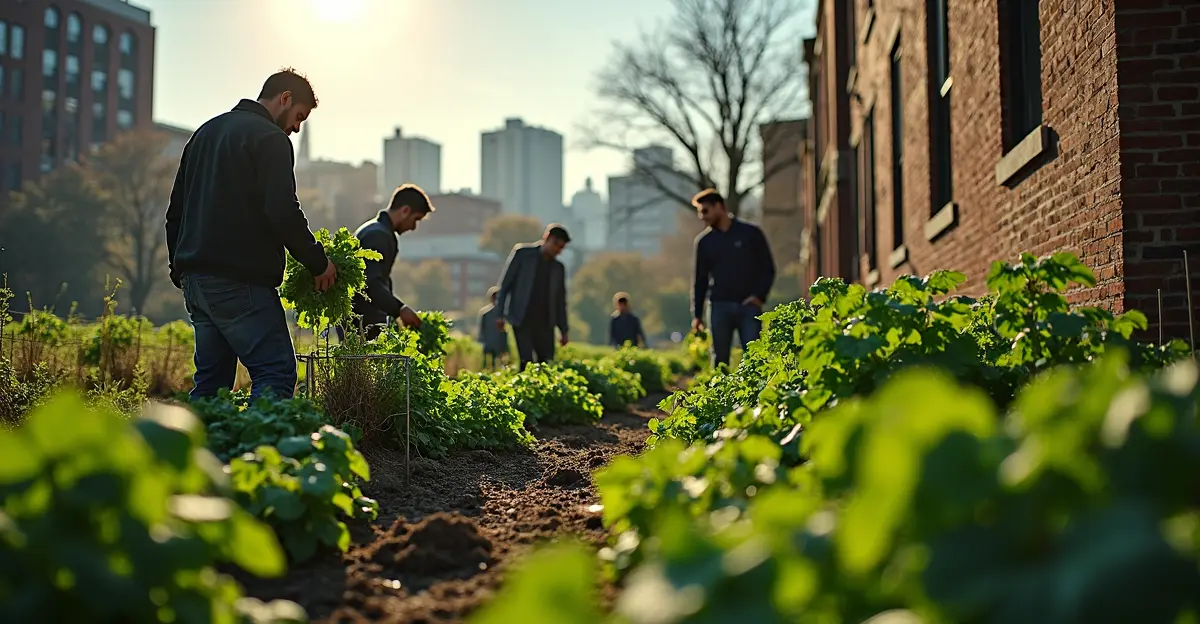
The Urban Agriculture Resilience Program, a collaborative initiative between the United States Botanic Garden and the American Public Gardens Association, has already demonstrated impressive results from similar investments. Over six years, their funded projects have grown and shared over 720,000 pounds of produce, distributed more than 268,000 seedlings, and provided over 49,000 hours of urban agriculture training.
California Leads with Resilient Food Systems Program
In California, the Resilient Food Systems Infrastructure Program 2025 offers approximately $2.3 million specifically for strengthening middle-of-the-supply-chain infrastructure. This includes cold storage facilities, processing equipment, and distribution networks for locally and regionally produced foods. The program's Simplified Equipment-Only Grants range from $10,000 to $100,000 per award, with no matching funds required - making them particularly accessible to smaller community markets.
'What makes these grants so effective is their focus on the middle of the supply chain,' notes food policy analyst Sarah Chen. 'Too often, funding goes to either production or consumption, while the critical aggregation and distribution stages get overlooked. These grants address that gap directly.'
Building Toward Long-Term Sustainability
The 2026 Capstone Cohort of the Urban Agriculture Resilience Program represents the next phase of this initiative, providing $55,000 per participant along with mentoring from Chicago Botanic Garden's Windy City Harvest program. This approach helps established projects achieve long-term sustainability beyond the initial grant period.
According to the Urban Eats report from the Resilient Cities Network, such investments in circular and resilient food systems are essential for urban environments facing climate change and other disruptions. The report emphasizes community-based solutions and equitable access to nutritious food as key components of urban resilience.
As climate change intensifies and supply chains face increasing pressures, these strategic investments in community market infrastructure and training may prove to be among the most important food security initiatives of our time. The grants not only address immediate needs for refrigeration and storage but also build the human capacity needed to sustain resilient local food systems for years to come.