Nederlands
 English
Municipal authorities approve major water reuse plant with focus on capacity, energy efficiency, regulatory compliance, and strategic contracts to address water scarcity sustainably.
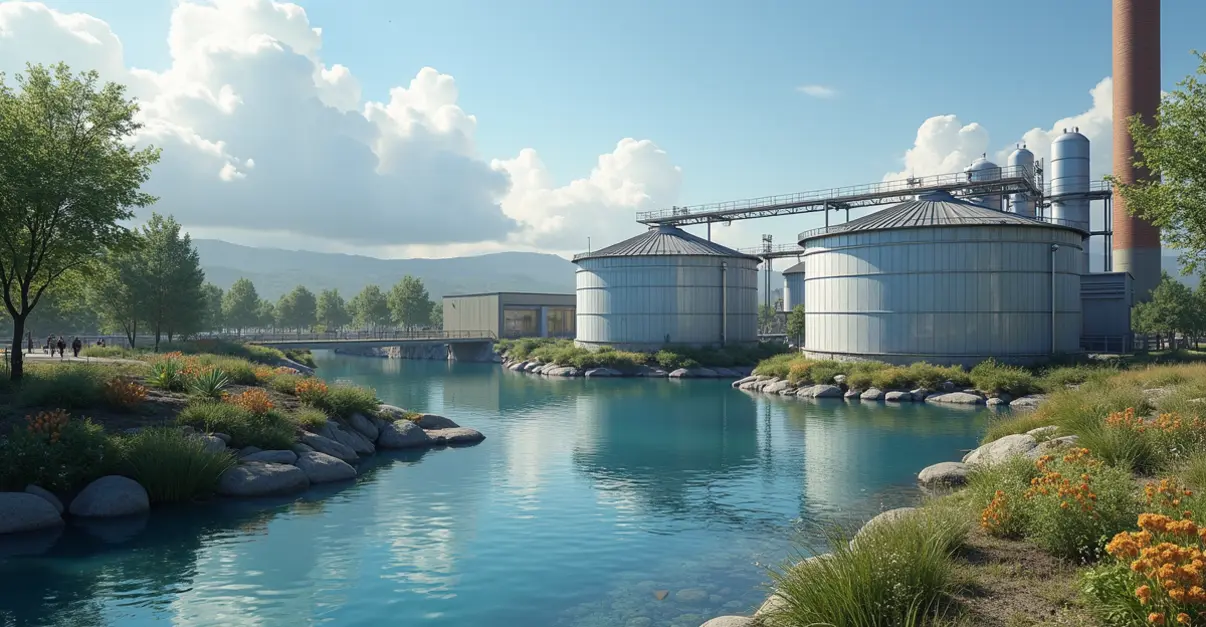
Landmark Water Reuse Project Gets Green Light
In a significant move toward sustainable water management, municipal authorities have approved a major water reuse plant that promises to transform how communities handle their most precious resource. The approval comes as water scarcity concerns intensify across many regions, making innovative solutions like water recycling increasingly critical.
The newly approved facility represents a comprehensive approach to water sustainability, with ambitious capacity targets designed to serve growing urban populations. According to project documents, the plant will process millions of gallons of wastewater daily, converting it into high-quality water suitable for various non-potable uses including irrigation, industrial processes, and groundwater recharge.
Energy Efficiency at the Core
What sets this project apart is its strong emphasis on minimizing energy consumption. 'We've designed this facility to be a model of energy efficiency in water treatment,' says project engineer Maria Rodriguez. 'Through advanced membrane bioreactors and optimized pumping systems, we're targeting a 30% reduction in energy use compared to conventional treatment plants.'
The energy footprint considerations extend beyond operational efficiency. The plant will incorporate solar panels to offset electricity demands and utilize biogas from the treatment process to generate additional power. This integrated approach aligns with broader municipal sustainability goals and addresses growing concerns about the carbon footprint of water infrastructure.
Navigating Regulatory Compliance
Regulatory compliance has been a central focus throughout the approval process. The plant must meet stringent standards established by environmental agencies, particularly for water quality parameters. 'Every drop of recycled water leaving this facility will exceed state and federal requirements,' assures compliance officer David Chen. 'We're implementing multiple treatment barriers including ultrafiltration, reverse osmosis, and advanced oxidation to ensure absolute safety.'
The regulatory landscape for water reuse has evolved significantly in recent years. According to the EPA's Water Reuse program, frameworks like the National Water Reuse Action Plan have helped standardize approaches while allowing for regional adaptations. California's Title 22 regulations and similar frameworks in other states provide clear guidelines for different reuse applications.
Contractual Framework and Partnerships
The approval includes a comprehensive contractual framework that outlines responsibilities, performance guarantees, and long-term maintenance commitments. Key contracts have been established with engineering firms specializing in water treatment technology and construction companies with proven track records in municipal infrastructure projects.
'These contracts represent more than just business agreements,' explains municipal attorney Sarah Johnson. 'They're partnerships built on shared commitment to water security and environmental stewardship. Performance-based incentives ensure that all parties remain focused on delivering optimal results throughout the plant's lifecycle.'
The contractual arrangements also address water distribution agreements with industrial users and agricultural operations that will receive the recycled water. These agreements provide stable revenue streams while ensuring that the treated water serves beneficial purposes rather than being discharged as waste.
Broader Implications for Water Management
This approval comes at a critical time for water management nationwide. According to the Water Environment Federation's regulatory guide, water reuse represents one of the most promising strategies for addressing water scarcity while reducing environmental impacts. The successful implementation of this project could serve as a model for other municipalities facing similar challenges.
Community engagement has been another important aspect of the approval process. Public education campaigns have helped residents understand the safety and benefits of water reuse, addressing common concerns about recycled water. 'Transparency has been key to building public trust,' notes community liaison Michael Torres. 'When people see the rigorous treatment processes and understand how this helps secure our water future, support grows significantly.'
As climate change intensifies drought conditions in many regions, water reuse projects like this one become increasingly vital. They represent a shift from traditional linear water systems—where water is used once and discarded—to circular approaches that maximize resource efficiency. The approved plant's capacity targets reflect this paradigm shift, aiming to recycle a substantial portion of municipal wastewater rather than treating it as waste.
The project's approval marks a significant milestone in sustainable water management, demonstrating how technological innovation, regulatory frameworks, and strategic partnerships can come together to address pressing environmental challenges. As construction begins in the coming months, all eyes will be on this facility as a potential blueprint for water-secure communities of the future.