


 Deutsch
 English
 Español
 Français
 Nederlands
 Português


 Share
Share




Marine Heatwaves Escalate, Causing Widespread Damage
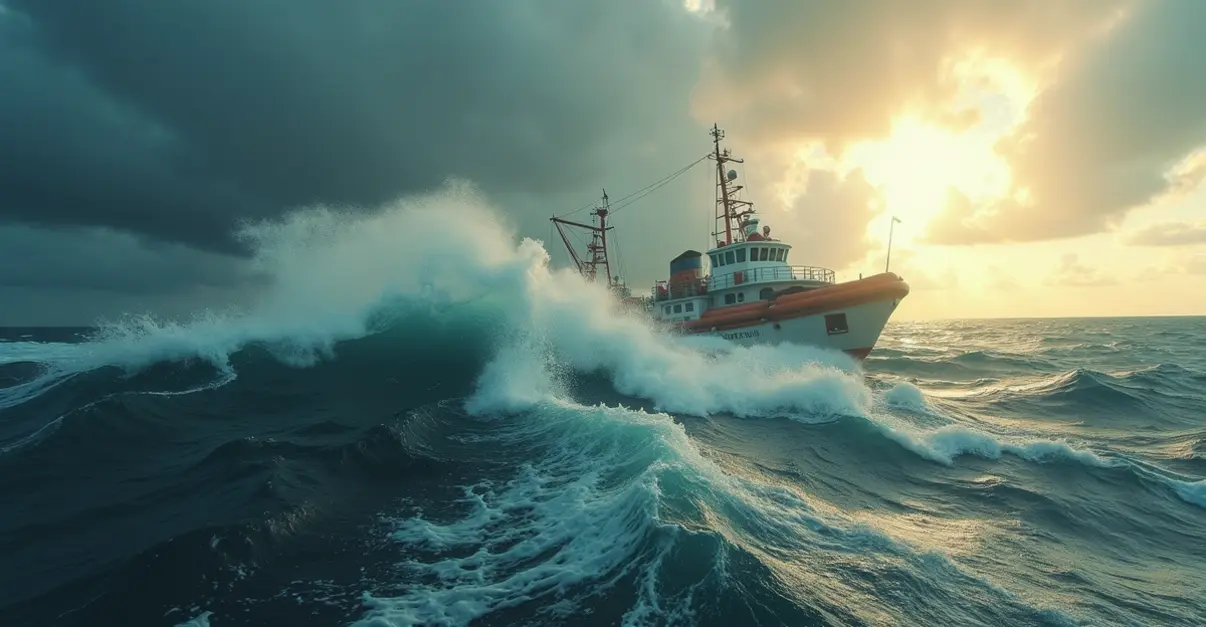
Recent research reveals that ocean heatwaves have tripled in duration over the past 80 years, with extreme heat days increasing from 15 to nearly 50 days annually. This alarming trend is directly linked to climate change, as oceans absorb over 90% of excess heat from greenhouse gases. The prolonged heatwaves are causing devastating impacts on marine ecosystems, including mass coral bleaching events, phytoplankton decline, and fish population migrations.
Fisheries Face Unprecedented Challenges
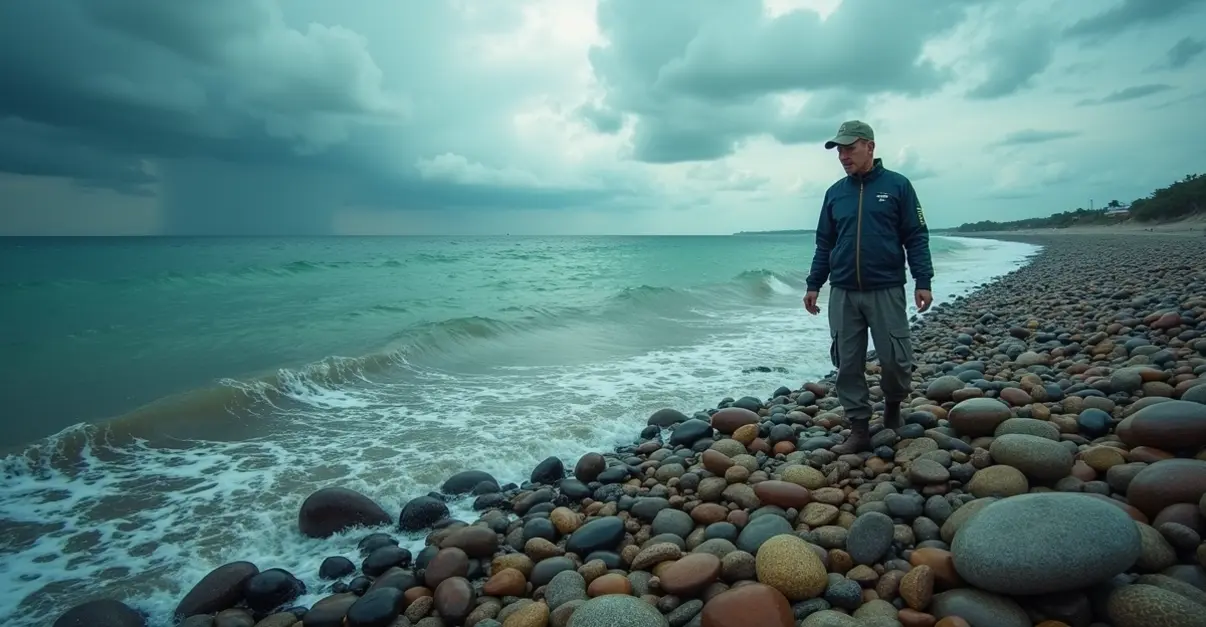
The Food and Agriculture Organization (FAO) released its most comprehensive global assessment of marine fish stocks in 2025, covering 2,570 individual fish stocks with contributions from over 650 experts from 90+ countries. Key findings show that 35.5% of fishery stocks are overfished, while 64.5% are exploited within biologically sustainable levels. 'The combination of marine heatwaves and overfishing creates a perfect storm for coastal communities,' says marine biologist Dr. Elena Rodriguez. 'We're seeing fish populations moving to cooler waters, leaving traditional fishing grounds empty.'
Tourism Industry Suffers Major Losses
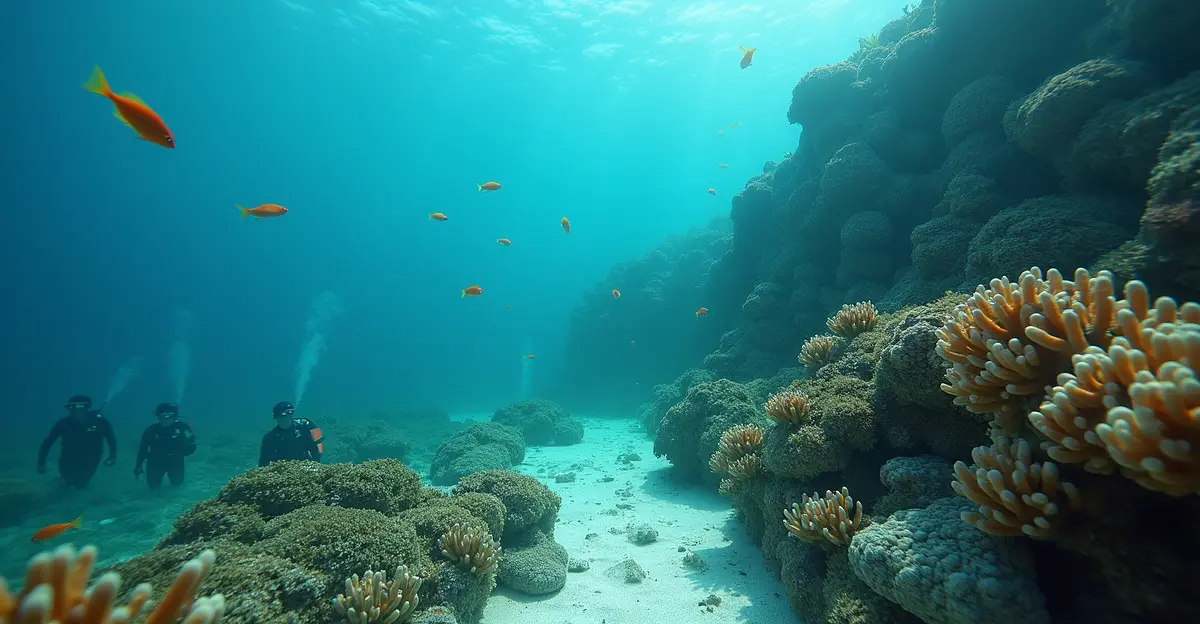
Coral reefs, which support vibrant tourism industries in tropical destinations, are particularly vulnerable to heat stress. Many reefs are experiencing irreversible damage and reduced recovery capacity. 'Our dive tourism business has dropped 40% since the last major bleaching event,' reports Carlos Mendez, a dive operator in the Caribbean. 'Visitors don't want to see dead coral - they're choosing other destinations.' The economic ripple effects extend to hotels, restaurants, and local artisans who depend on tourism revenue.
Economic Relief and Restoration Efforts
Governments and organizations are responding with economic relief programs and restoration planning. The National Fish and Wildlife Foundation (NFWF) has announced the 2025 National Coastal Resilience Fund, investing in nature-based solutions to protect coastal communities. Grant awards range from $100,000-$10,000,000 for projects that enhance community resilience through natural infrastructure like coastal marshes and reef systems.
CSIRO and the Bureau of Meteorology are launching regular marine heatwave forecasts to provide up to three months' advance warning of ocean temperature extremes. 'These forecasts will help us prepare and respond more effectively,' explains Dr. Sarah Chen, a climate scientist. 'We can implement temporary fishing closures and tourism advisories before the worst impacts occur.'
Stock Assessments Inform Recovery Strategies
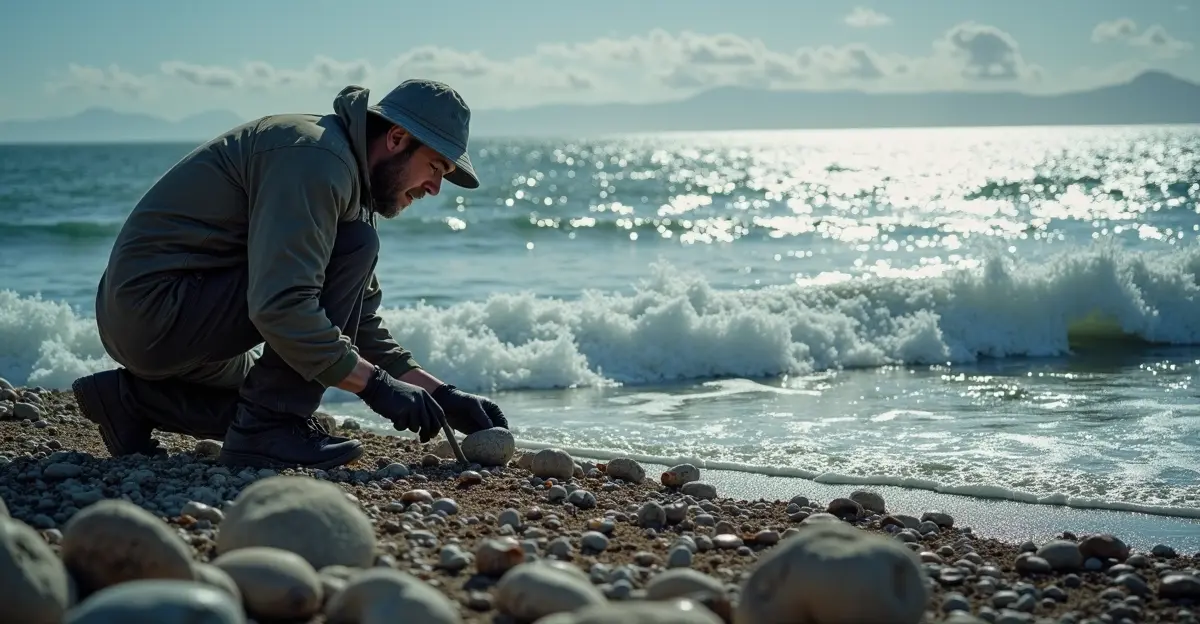
Comprehensive stock assessments are crucial for developing effective recovery strategies. The FAO assessment demonstrates how robust management frameworks can achieve sustainability gains, though challenges remain in regions like Southeast Pacific and Eastern Central Atlantic. 'Accurate stock assessments give us the data we need to make informed decisions about fishing quotas and protected areas,' says fisheries manager Mark Thompson.
Countries are integrating regeneration into national planning through policies like the EU's Nature Restoration Law and UK's Biodiversity Net Gain regulations. The World Economic Forum advocates for a shift from sustainable to regenerative ocean industries that actively heal marine ecosystems while supporting economic growth.
Looking Forward: Adaptation and Mitigation
While reducing greenhouse gas emissions remains essential for long-term solutions, immediate adaptation strategies are critical. These include flexible fisheries management, marine protected areas, and investment in restoration technologies. 'We need both global climate action and local adaptation measures,' emphasizes environmental economist Dr. Maria Santos. 'The costs of inaction far exceed the investments needed for protection and restoration.'
As marine heatwaves continue to intensify, the urgency for comprehensive action grows. Coastal communities worldwide face the dual challenge of protecting their livelihoods while contributing to global conservation efforts. The success of these initiatives will determine the future health of our oceans and the communities that depend on them.


Follow Discussion