Europe Rolls Out Public Transport Subsidies to Cut Car Use

European nations implement public transport subsidies to reduce car usage, offering discounted fares and infrastructure improvements. The initiative targets emission reduction and urban congestion relief.

Europe Rolls Out Public Transport Subsidies to Cut Car Use
Share
Edition: EN

Major Push for Sustainable Mobility

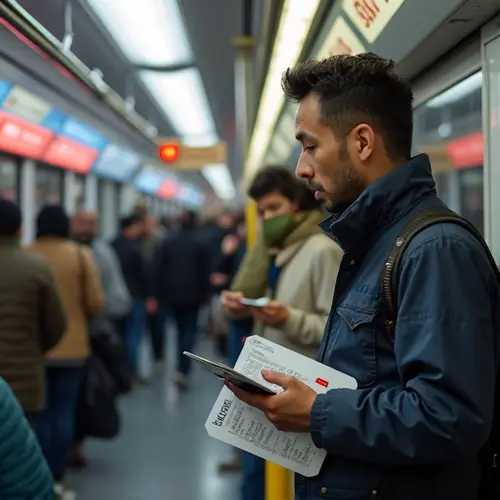
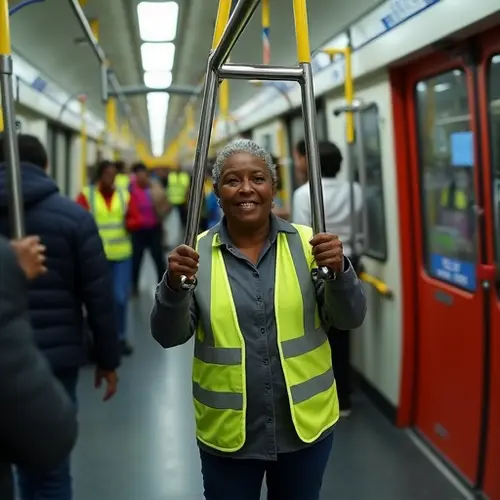
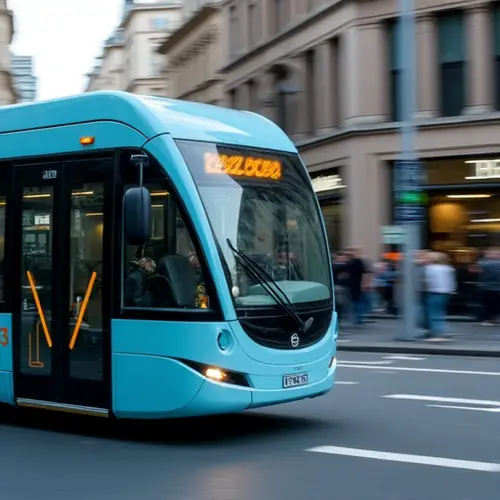
European governments are implementing widespread public transport subsidies as part of a continent-wide effort to reduce car dependency and promote eco-friendly travel. The initiative aims to make buses, trams, and trains more affordable while combating urban congestion and lowering carbon emissions.

How the Subsidies Work

The subsidies include:

  • Discounted monthly passes (like Germany's €49 ticket)
  • Free transport in certain urban zones
  • Tax incentives for employers offering transit benefits
  • Increased funding for electric bus fleets
Countries including France, Spain, and the Netherlands have already launched programs targeting 30-50% fare reductions for regular commuters.

Environmental Impact

Transport accounts for 25% of EU emissions. The European Environment Agency estimates these subsidies could remove 7 million cars from roads by 2030, potentially reducing transport CO2 by 15%. "We're making sustainable travel the easy choice," said EU Transport Commissioner Adina Vălean.

Challenges and Solutions

Some regions face implementation hurdles:

  • Rural connectivity gaps
  • Capacity limitations during peak hours
  • Funding verification systems
The EU is addressing these through its Cohesion Fund, allocating €24 billion specifically for transport infrastructure upgrades in underserved areas.

Public Response

Early results show promise:

  • Lisbon reported 22% more bus ridership
  • Berlin's BVG saw 300,000 new pass holders
  • 75% of users say affordability changed travel habits
However, a Luxembourg subsidy fraud case (€23 million) highlights the need for robust monitoring. The EPPO has established new audit protocols to prevent misuse.

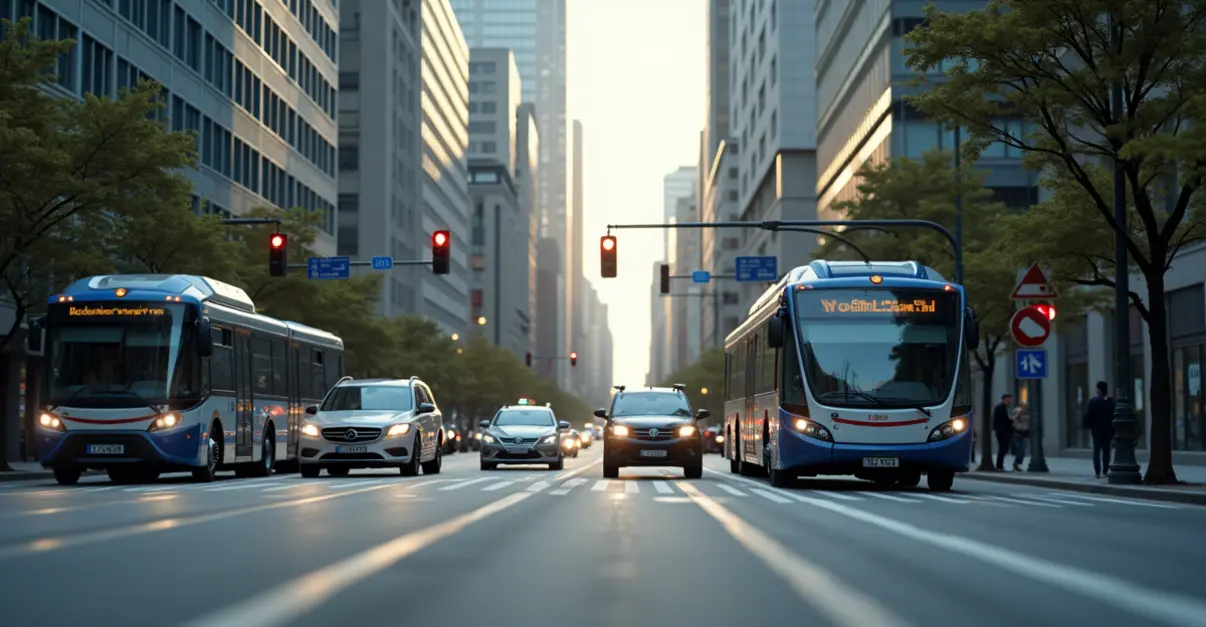
These initiatives align with the EU Sustainable Mobility Framework and could serve as models for global cities tackling congestion and pollution.

Closely related

Public Transport Deserts in Global South Cities: Addressing Urban Inequality
Current-Affairs
Current-Affairs
Closely related

Public Transport Deserts in Global South Cities: Addressing Urban Inequality

Urban inequality in Global South cities manifests in "transport deserts," where low-income communities lack access...

Zero-Fare Public Transport Models Gaining Momentum Worldwide
Environment
Environment
Closely related

Zero-Fare Public Transport Models Gaining Momentum Worldwide

Zero-fare public transport is gaining popularity worldwide, with cities like Tallinn and Luxembourg leading the way....

Smart Mobility Cities: The Future of Urban Transit in 2025
Future
Future
Closely related

Smart Mobility Cities: The Future of Urban Transit in 2025

By 2025, smart mobility solutions like AI-powered buses, dynamic road pricing, and micro-mobility hubs will...

Urban Mobility Pricing: Equity and Revenue Allocation in 2025
Transportation
Transportation
Closely related

Urban Mobility Pricing: Equity and Revenue Allocation in 2025

Urban mobility pricing programs in 2025 are reducing traffic congestion while generating billions for public...

E-Bike Sharing Doubles in Cities, Eases Traffic
Environment
Environment
Closely related

E-Bike Sharing Doubles in Cities, Eases Traffic

Electric bike-sharing usage has doubled in major cities, significantly reducing traffic congestion and emissions....

Major Cities Unveil Zero Emission Zone Expansion Plans
Environment
Environment
Closely related

Major Cities Unveil Zero Emission Zone Expansion Plans

Major cities publish ambitious Zero Emission Zone expansion plans, detailing phased implementation, market impacts,...