Public Transport Deserts in Global South Cities: Addressing Urban Inequality

Urban inequality in Global South cities manifests in "transport deserts," where low-income communities lack access to reliable public transport. This article explores the challenges and potential solutions, highlighting case studies like Lagos and Nairobi.

Public Transport Deserts in Global South Cities: Addressing Urban Inequality
Share
Edition: EN

Public Transport Deserts in Global South Cities

Urban inequality is a pressing issue in many cities across the Global South, and one of its most visible manifestations is the lack of accessible and efficient public transport systems. These "transport deserts" disproportionately affect low-income communities, exacerbating social and economic disparities.

The Impact of Urban Inequality

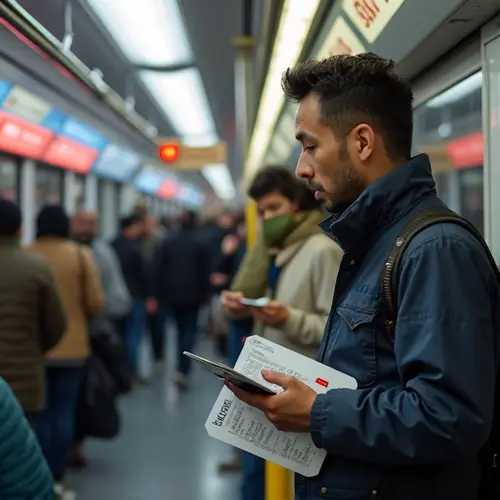
In cities like Lagos, Nairobi, and Dhaka, public transport infrastructure often fails to serve sprawling informal settlements. Residents in these areas face long commutes, high costs, and unreliable services, which limit their access to employment, education, and healthcare. This systemic neglect reinforces cycles of poverty and exclusion.

Case Studies

For example, in Lagos, Nigeria, only 30% of the population has access to formal public transport. The majority rely on informal minibuses, which are often overcrowded and unsafe. Similarly, in Dhaka, Bangladesh, the absence of a comprehensive metro system forces millions to depend on rickshaws and buses, leading to chronic traffic congestion.

Solutions and Innovations

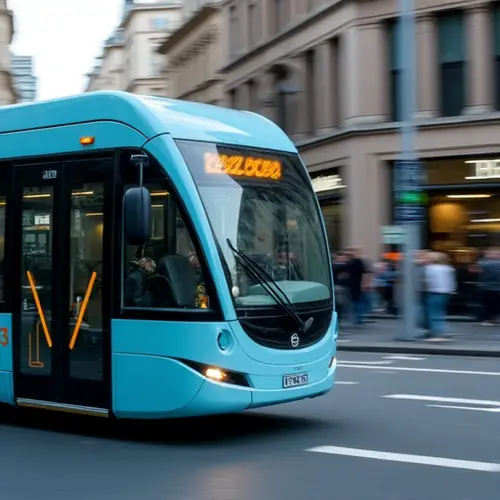
Some cities are taking steps to address these challenges. Nairobi's Bus Rapid Transit (BRT) system, launched in 2025, aims to provide affordable and efficient transport for its residents. Meanwhile, Bogotá’s TransMilenio BRT system serves as a model for integrating informal transport operators into a formalized network.

The Road Ahead

Addressing transport deserts requires a multi-faceted approach, including investment in infrastructure, policy reforms, and community engagement. Without such efforts, urban inequality will continue to deepen, leaving millions stranded on the margins of their own cities.
Closely related

World Cities Day 2025 Celebrates Urban Sustainability Wins
Environment
Environment
Closely related

World Cities Day 2025 Celebrates Urban Sustainability Wins

World Cities Day 2025 highlights global progress in urban sustainability, featuring innovations in transportation,...

Synthetic Biology Cities: Urban Futures Built on Bioengineering
Innovation
Innovation
Closely related

Synthetic Biology Cities: Urban Futures Built on Bioengineering

Synthetic biology cities use bioengineered organisms for urban sustainability, tackling pollution and resource...

Urban Forests: How Cities Are Rewilding Public Spaces
Environment
Environment
Closely related

Urban Forests: How Cities Are Rewilding Public Spaces

Cities worldwide are embracing urban forests to combat climate change, enhance biodiversity, and improve public...

Urban Centers Embrace Pet-Friendly Policies
Life
Life
Closely related

Urban Centers Embrace Pet-Friendly Policies

Cities worldwide are implementing pet-friendly policies including expanded dog parks, transportation access, and...

Smart Mobility Cities: The Future of Urban Transit in 2025
Future
Future
Closely related

Smart Mobility Cities: The Future of Urban Transit in 2025

By 2025, smart mobility solutions like AI-powered buses, dynamic road pricing, and micro-mobility hubs will...

Bee-Friendly Cities Transform Urban Landscapes with Rooftop Gardens
Environment
Environment
Closely related

Bee-Friendly Cities Transform Urban Landscapes with Rooftop Gardens

Cities worldwide are transforming rooftops into pollinator sanctuaries through bee-friendly urban design, creating...