


 Deutsch
 English
 Español
 Français
 Nederlands
 Português


 Share
Share




Global Energy Shift: Solar Takes the Lead
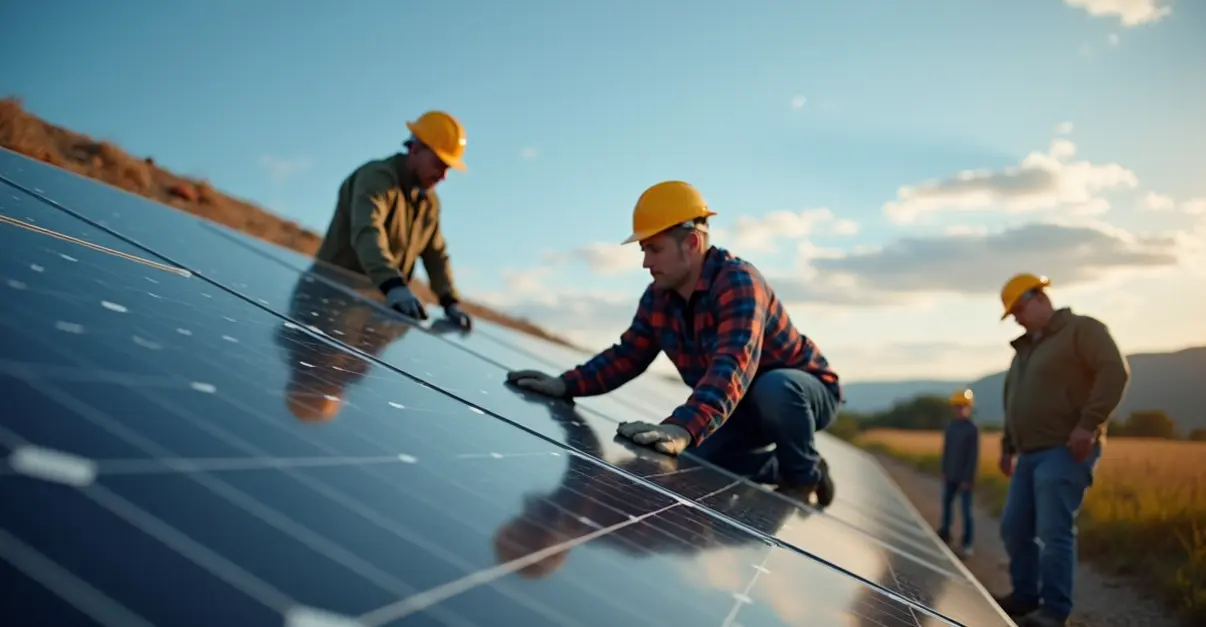
In a historic turning point for the energy sector, solar power capacity additions surpassed coal for the first time globally in 2024. According to the International Energy Agency (IEA), solar photovoltaic installations accounted for over 75% of new electricity generation capacity last year, while coal represented less than 20%. This milestone signals a fundamental shift in how the world produces electricity, driven by plunging solar costs and climate policies.
Europe Leads the Transition
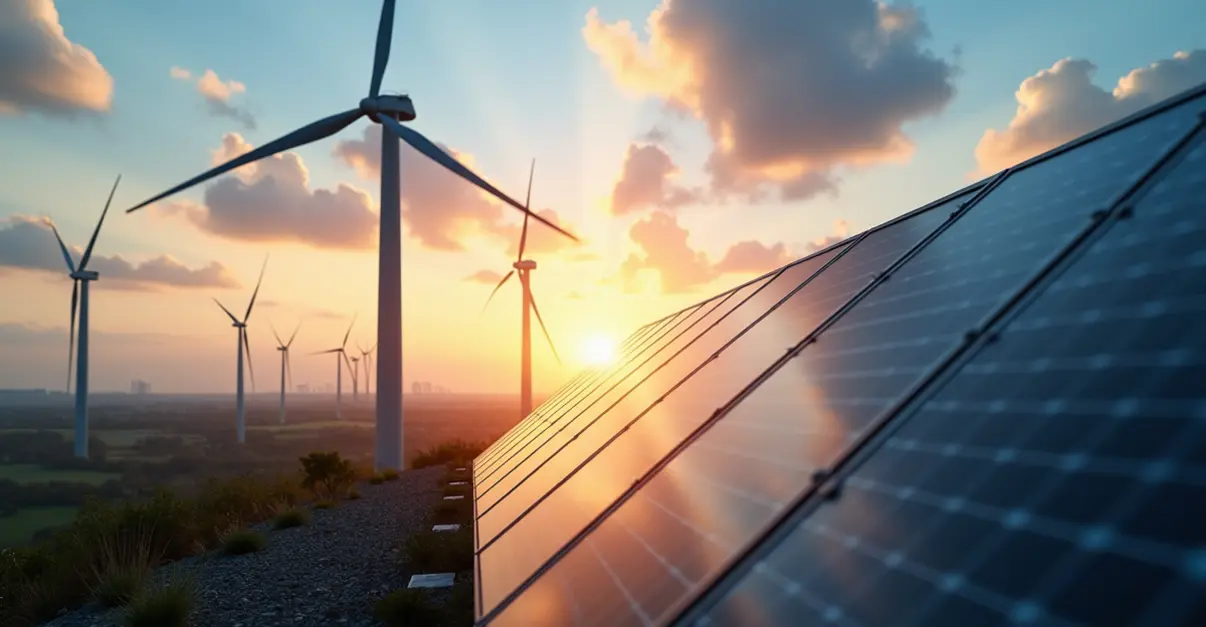
The European Union exemplifies this transformation, with Ember's 2025 European Electricity Review revealing solar generated 304 TWh (11%) of electricity in 2024 - surpassing coal's 269 TWh (10%). This marks the fifth consecutive year of declining fossil gas use in the EU. "Wind and solar are pushing coal to the margins and forcing gas into structural decline," notes Dr. Chris Rosslowe, Senior Energy Analyst at Ember.
Cost Revolution Drives Change
Solar's dominance stems from an 89% cost reduction since 2010, making it the cheapest electricity source in most countries. Utility-scale solar projects now deliver electricity at $20-40/MWh, undercutting existing coal plants. China led this expansion, installing over 200 GW of solar capacity in 2024 alone - more than the entire U.S. solar fleet.
Benefits Beyond Emissions
The renewable surge has cut EU power emissions to half their 2007 peak while reducing fossil fuel dependence. Wind and solar additions since 2019 avoided €59 billion in fossil fuel imports. "This new energy system reduces vulnerability to price shocks and delivers affordable energy," emphasizes Dr. Beatrice Petrovich of Ember.
Challenges Ahead
Despite progress, grid infrastructure and energy storage must scale rapidly to support variable renewables. The IEA estimates annual clean energy investment must triple to $4 trillion by 2030 to maintain net-zero trajectory. Policy reforms, particularly in wind energy permitting, remain crucial for sustained growth.

Follow Discussion