


 Deutsch
 English
 Español
 Français
 Nederlands
 Português


 Share
Share




Summer Heatwave Spurs Solar Adoption
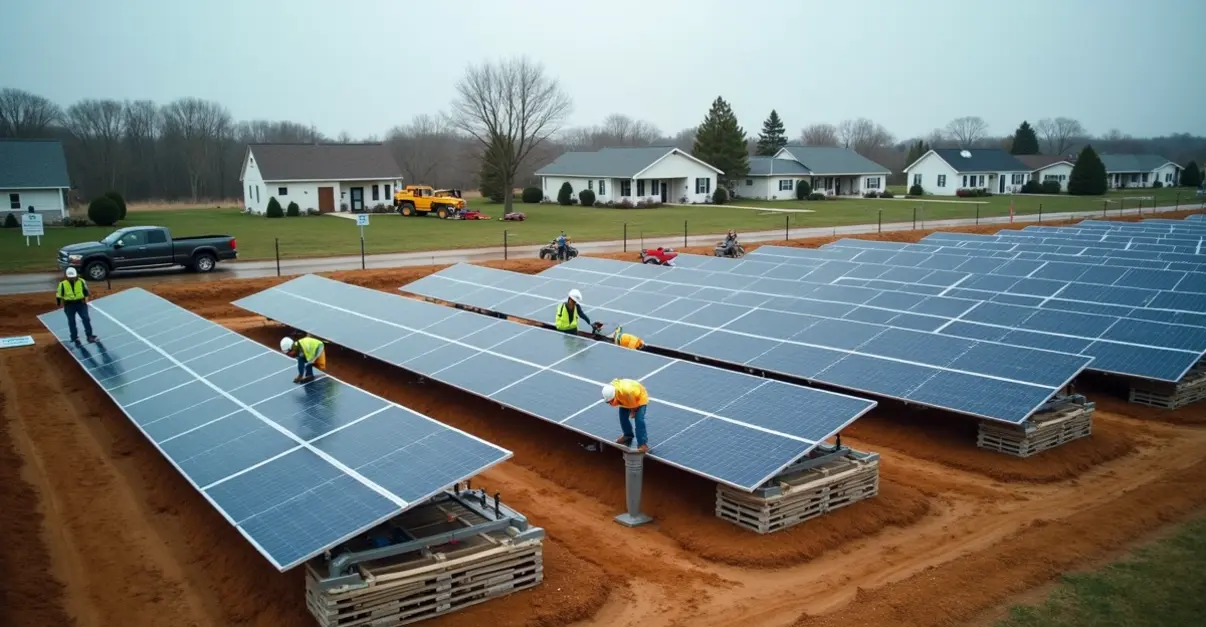
Record-breaking temperatures across North America and Europe are driving unprecedented interest in residential solar installations. As thermometers hit historic highs during the 2025 summer heatwave, homeowners are turning to rooftop photovoltaic systems to combat soaring electricity bills from air conditioning use.
Energy Bills Skyrocket
Utilities report energy consumption has increased 15-20% compared to last summer, with cooling costs becoming the primary expense for many households. "My electricity bill doubled in July alone," said Mark Thompson, a Phoenix homeowner who recently installed solar panels. "The solar investment immediately cut my grid dependence during peak hours."
The Solar Solution
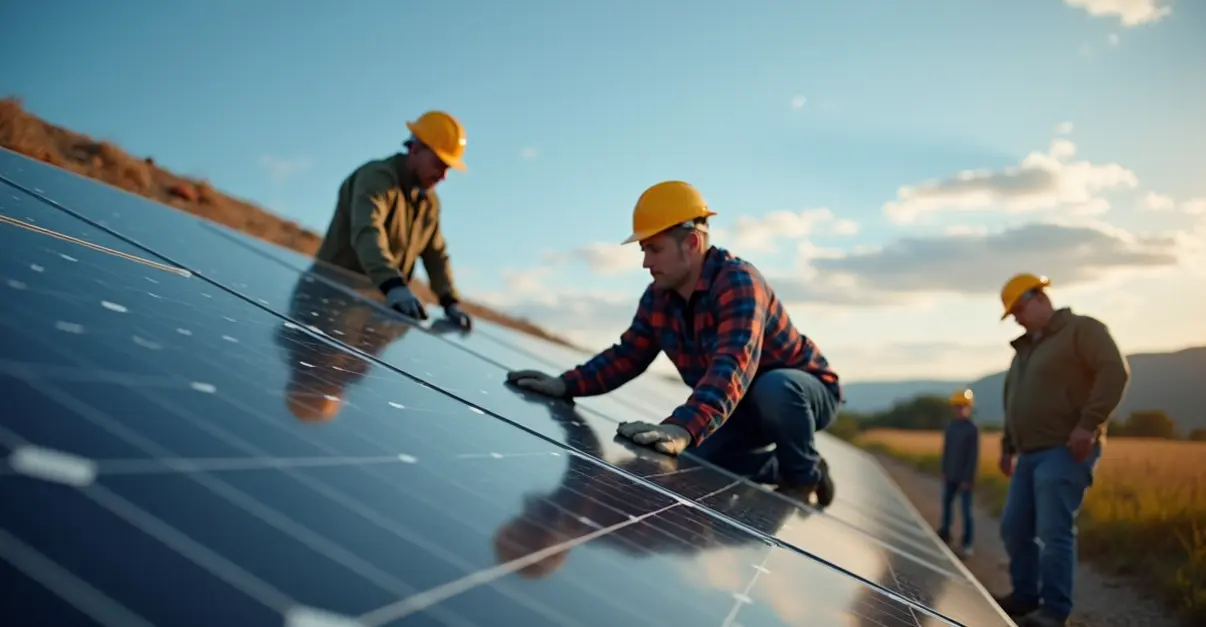
Solar installation companies report wait times of 8-12 weeks as demand surges. Key factors driving adoption:
- 30% federal tax credits extended through 2032
- New high-efficiency panels generating power even in diffuse light
- Battery storage systems allowing energy use during peak rate periods
- Financing options with zero-down payment plans
Global Solar Growth Trends
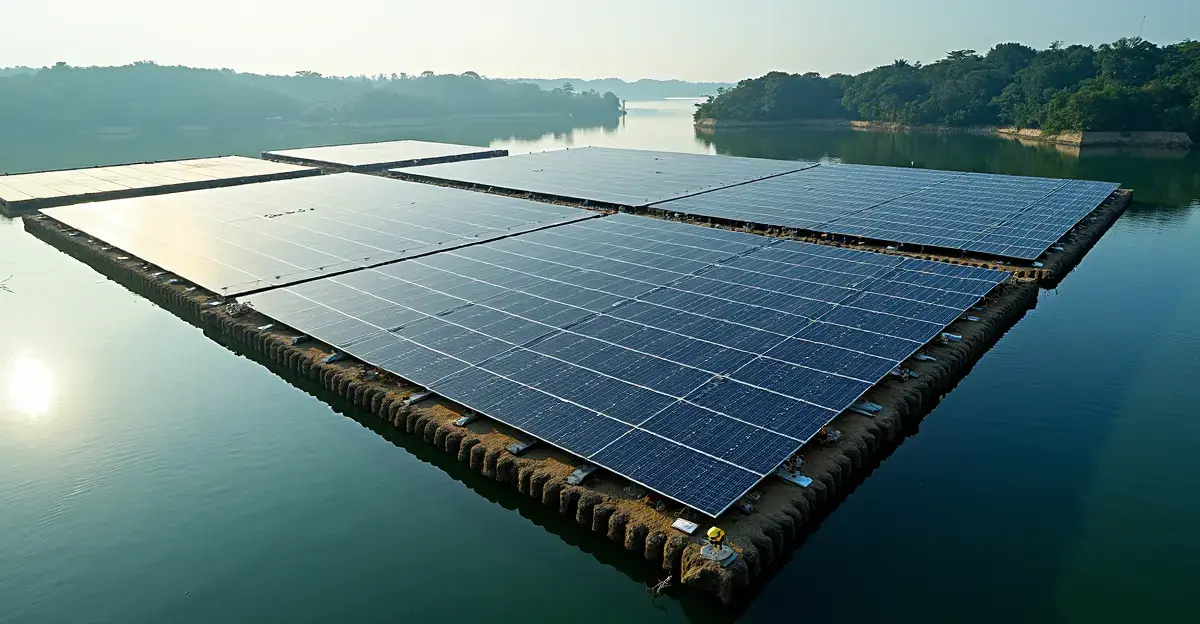
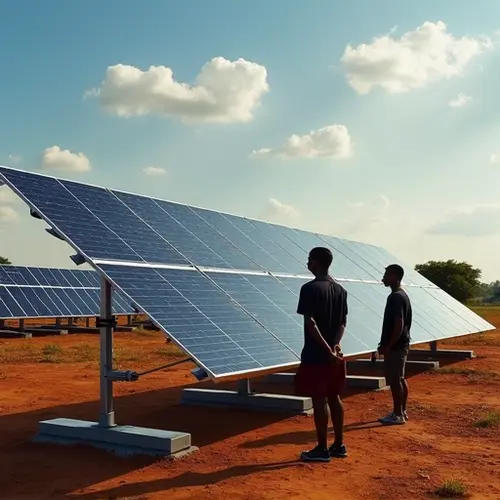
This residential boom mirrors worldwide patterns. According to IEA data, solar PV capacity grew by 35% globally in 2024, with residential installations accounting for nearly half that growth. Countries experiencing extreme heat - including Spain, Italy, and Australia - show the strongest adoption curves.
Environmental Impact
The solar surge comes as energy-related CO2 emissions reached record highs in 2024. Each residential solar system prevents approximately 3-4 tons of carbon emissions annually. As heatwaves become more frequent due to climate change, experts see distributed solar generation as crucial for both grid stability and emissions reduction.
Challenges and Opportunities
While adoption grows, challenges remain:
- Supply chain constraints for lithium batteries
- Varying local regulations and permitting processes
- Grid integration in neighborhoods with high solar penetration
Industry leaders are advocating for standardized regulations and community solar programs to expand access. "The heatwave has transformed solar from an environmental choice to an economic necessity," said Solar Energy Industries Association president Abigail Johnson.


Follow Discussion