


 Deutsch
 English
 Español
 Français
 Nederlands
 Português


 Share
Share




India's Solar Manufacturing Surge
India is dramatically expanding its solar panel production capacity through new manufacturing plants and government incentives. The country's installed solar capacity reached 116.24 GW as of June 2025, making it the world's third-largest solar producer after China and the United States. This growth is fueled by ambitious government targets to achieve 500 GW of renewable energy by 2030, with solar expected to contribute at least 250 GW.
Major Projects Underway
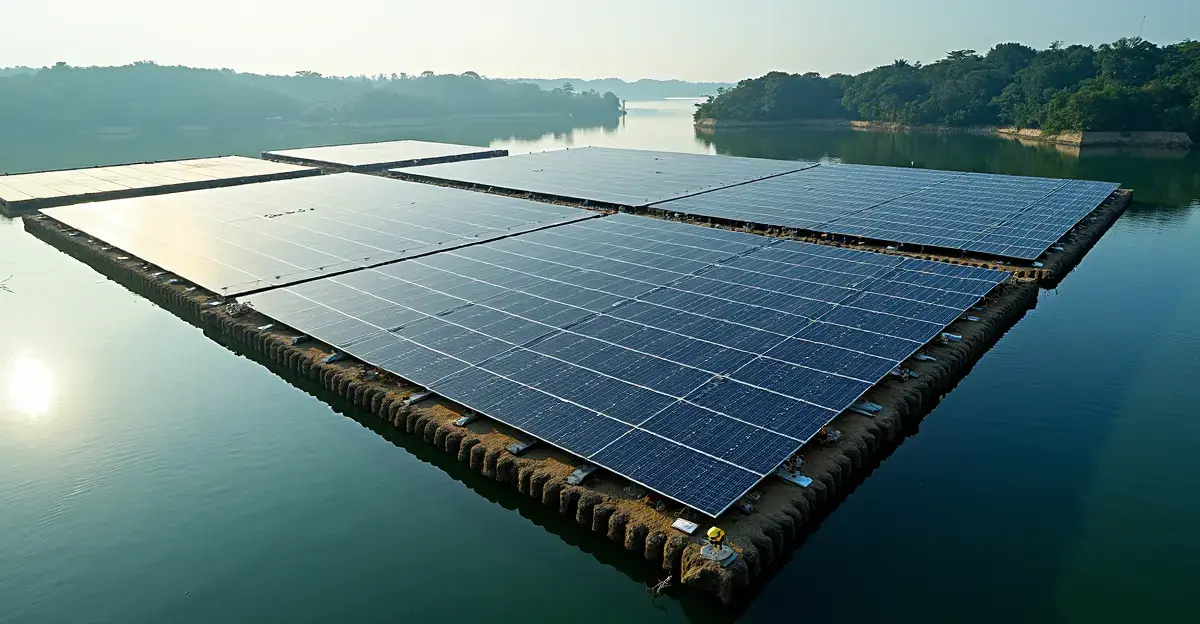
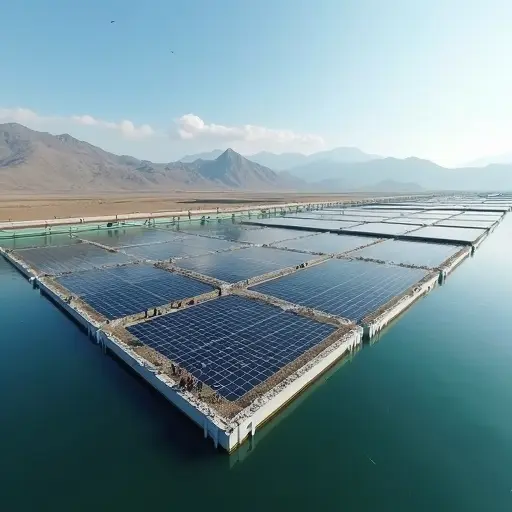
India is developing massive solar parks, including:
- The Bhadla Solar Park in Rajasthan (2.2 GW capacity)
- Gujarat Hybrid Renewable Energy Park (30 GW solar-wind hybrid)
- 70+ solar parks nationwide to streamline land allocation
The Gujarat project will become the world's largest hybrid renewable park when completed in 2026, spanning 726 km² of desert wasteland.
Government Incentives Driving Growth
Key policy initiatives include:
- 100% foreign direct investment allowance in renewable energy
- Production-Linked Incentive (PLI) scheme for solar manufacturing
- Faster project auctions and permitting processes
- Customs duty exemptions on solar equipment
These policies helped attract $20.7 billion in foreign investment during 2010-2019 and $3.76 billion in FY2023-24 alone. India is currently executing tenders for 40 GW of new solar and hybrid projects.
Economic and Climate Impact
Solar PV has become India's cheapest power source, undercutting both new and existing fossil fuel plants. The solar expansion supports India's commitments to:
- Reduce carbon emissions by 30-35% under Paris Agreement
- Achieve carbon neutrality by 2070
- Create over 50,000 manufacturing jobs by 2030
The International Energy Agency projects India will account for 60% of new global renewable capacity through 2028. Hybrid projects combining solar with wind and storage are emerging as solutions for grid reliability during monsoon seasons.
Global Leadership
India hosts the International Solar Alliance headquarters and champions the "One Sun One World One Grid" initiative. The country's manufacturing expansion could position it as a major solar exporter, challenging China's current dominance in global supply chains.


Follow Discussion