


 Deutsch
 English
 Español
 Français
 Nederlands
 Português


 Share
Share




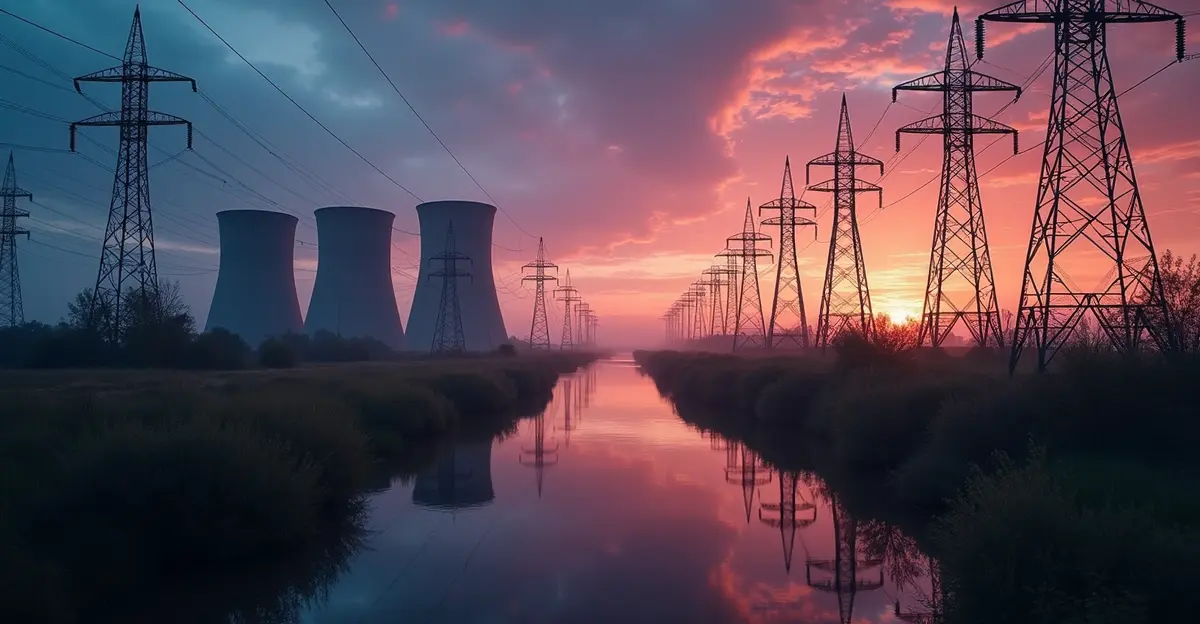
Data center power demand is surging by an estimated 17% in 2026, yet the binding constraint on AI expansion is no longer GPU supply—it is the electricity grid. With interconnection waits reaching four to ten years, high-voltage transformer lead times at 128–144 weeks, and S&P Global projecting $6.7 trillion in energy infrastructure spending through 2030, the grid has become the new AI battleground.
From Chip Shortages to Grid Lock
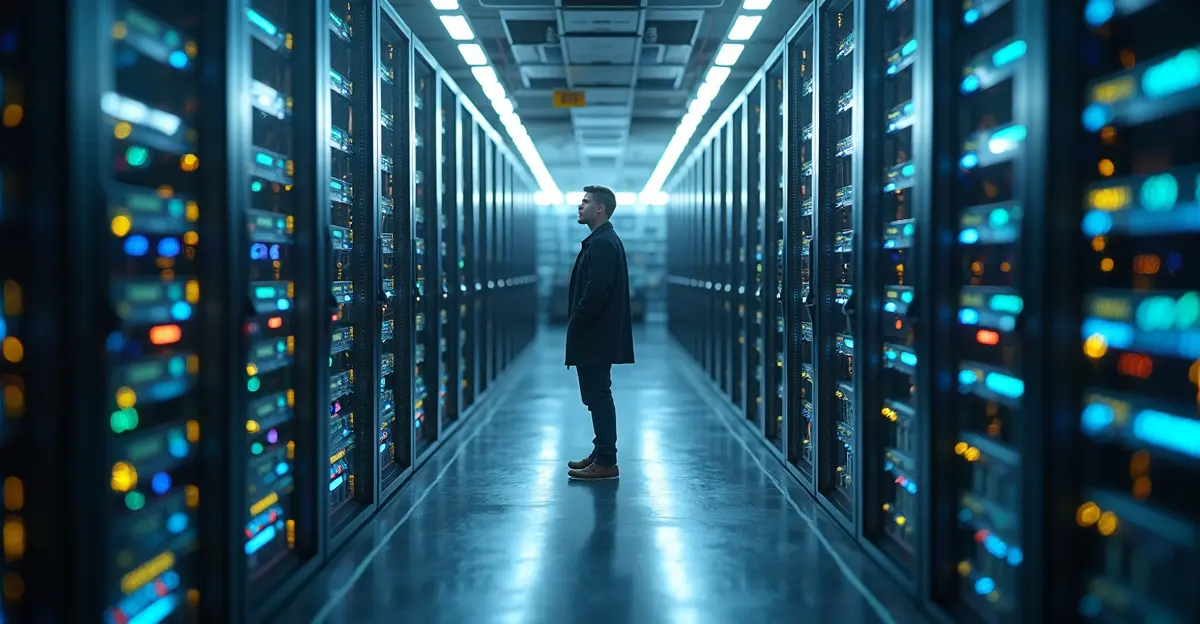
AI workloads are pushing rack power densities from legacy 3–8 kW to 30–100+ kW per rack; NVIDIA’s GB200 NVL72 draws about 120 kW, and next-generation Rubin Ultra systems are specified near 600 kW. That shift is colliding with grids that were never designed for such concentrated loads. According to mgrid.org, only 5 GW of the roughly 16 GW of new U.S. data center capacity targeted for 2026 is under construction, while ERCOT’s large-load interconnection queue jumped from 63 GW to 226 GW in a single year. Northern Virginia’s vacancy rate is 0.72%, and Dominion Energy cannot accommodate more large-load requests through 2030. This data center power crisis has forced developers to rethink site selection entirely.
How Hyperscalers Are Buying Their Way Off the Grid
Rather than wait years for utility connections, tech giants are signing unprecedented generation deals. Unlike earlier renewable energy procurement models tied to grid delivery, these agreements aim to create dedicated power for specific campuses.
Microsoft’s 10.5 GW Bet on Renewables
In January 2026, Microsoft and Brookfield Renewable formalized a framework to deliver more than 10.5 GW of new wind, solar and emerging clean energy capacity across the US and Europe between 2026 and 2030—roughly eight times larger than the previous 1.3 GW record, according to Brookfield’s investor materials. The deal supports Microsoft’s goal of matching 100% of electricity consumption with zero-carbon purchases as its data center demand is projected to surge over 600% by 2030.
Google, NextEra and the ‘Bring-Your-Own-Generation’ Campus
Google and NextEra Energy expanded their collaboration in late 2025, and in July 2026 NextEra joined Brookfield and the U.S. Department of Energy on the $100 billion Paducah American Energy Hub in Kentucky. The project pairs a 1.8 GW AI data center campus with 4.6 GW of dedicated behind-the-meter generation—2.0 GW natural gas and 2.6 GW battery storage—bypassing grid interconnection bottlenecks entirely. NextEra says it is building up to 30 GW of generation for data centers by 2027. The behind-the-meter generation approach marks a structural shift from grid-reliant facilities to self-sufficient energy-compute campuses.
Global Implications for Energy Markets and Climate
The pivot to on-site power is redrawing utility regulation. Goldman Sachs forecasts U.S. data center power demand will jump from 31 GW in 2025 to 66 GW by 2027, and EPRI estimates data centers could consume 9–17% of U.S. generation by 2030. That growth is colliding with climate targets: a 71% surge in planned natural gas capacity this year underscores the tension between decarbonization and reliability. Meanwhile, small modular reactor offtake pipelines grew from 25 GW to 45 GW, according to Axis Intelligence Research, as tech firms hedge with 24/7 clean power. This is reshaping utility regulation for AI energy and prompting states to create new rate classes and certified microgrid districts.
What Experts Are Watching
“Grid capacity, not chip supply, is now the binding constraint on AI expansion,” analysts tracking the sector say. They point to a structural shift: data center developers now prioritize power availability over latency, pushing expansion into Texas, Georgia and secondary markets. As AI infrastructure bottlenecks evolve, Gartner predicts power shortages will constrain 40% of AI data centers by 2027.
Frequently Asked Questions
Why is the grid the new AI bottleneck in 2026?
Interconnection waits of 4–10 years and transformer lead times of 128–144 weeks mean data centers can secure GPUs faster than electricity connections.
How much power does an AI data center rack use?
AI training racks typically draw 40–130 kW, with frontier systems near 600 kW; legacy enterprise racks average 3–8 kW.
What is Microsoft’s Brookfield deal?
Microsoft agreed to buy 10.5 GW of new renewable capacity from Brookfield over 2026–2030, the largest corporate clean energy purchase in history.
What is Google doing with NextEra?
Google and NextEra are developing behind-the-meter generation campuses, including the Paducah hub pairing 1.8 GW of data centers with 4.6 GW of on-site power.
Will grid constraints slow AI growth?
Yes—Gartner predicts power shortages will constrain 40% of AI data centers by 2027, making on-site generation essential.
Conclusion
In 2026, the race for AI dominance is being decided not in semiconductor fabs but in interconnection queues and transformer factories. The companies that can secure electrons—whether through 10.5 GW renewable deals, gas turbines, batteries or small modular reactors—will define the next decade of computing. For utilities, regulators and climate negotiators, the message is clear: the grid is no longer infrastructure behind AI; it is the battleground itself.
Follow Discussion