
 Deutsch
 English
 Español
 Français
 Nederlands
 Português

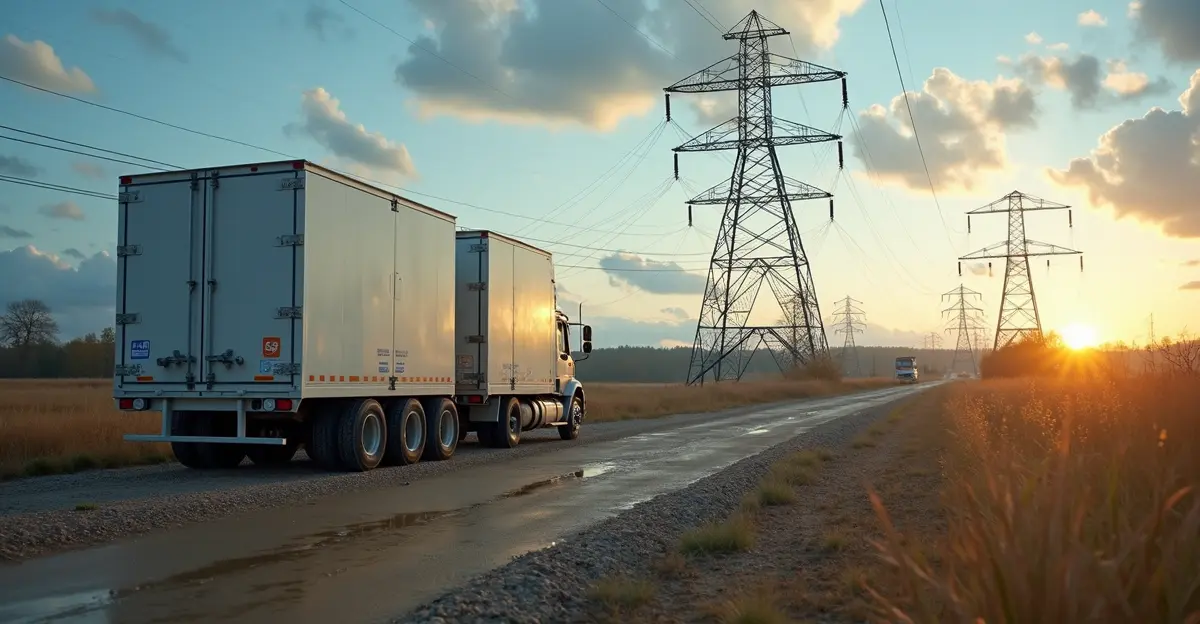





Sodium Battery Grid Storage: US Could Save Billions with New Technology
The United States stands to save billions of dollars in energy costs through a groundbreaking pilot project that integrates sodium-ion batteries into the Midwestern power grid. Peak Energy and RWE Americas have launched the first sodium-ion battery deployment on the Midcontinent Independent System Operator (MISO) grid in eastern Wisconsin, marking a significant shift toward more affordable and sustainable energy storage solutions. This innovative technology could potentially save the US power system up to $27 billion by enabling more efficient electricity use and reducing reliance on expensive peak power generation.
What Are Sodium-Ion Batteries?
Sodium-ion batteries (SIBs) are rechargeable energy storage devices that use sodium ions as charge carriers instead of the lithium ions found in conventional batteries. These batteries represent a major advancement in grid-scale energy storage technology, offering several key advantages over traditional lithium-ion systems. Sodium is approximately 500-1,000 times more abundant than lithium, making it significantly cheaper and more readily available. Unlike lithium-ion batteries that require complex cooling systems and contain scarce materials like cobalt and nickel, sodium-ion batteries use more common materials and operate safely across a wide temperature range of -40°C to +70°C.
The MISO Grid Pilot Project
The groundbreaking pilot project in eastern Wisconsin represents the first deployment of sodium-ion battery technology on the MISO grid, which serves over 42 million people across 15 states. The system uses passively cooled sodium-ion (NFPP) battery cells that eliminate the need for energy-intensive cooling systems and reduce maintenance requirements to near zero. According to Peak Energy, their technology reduces lifetime energy storage costs by an average of $70 per kilowatt-hour – approximately half the total price of current battery systems.
Key Advantages of Sodium-Ion Grid Storage
- Cost Savings: 25-30% lower costs compared to lithium-ion alternatives
- Safety: Exceptional thermal stability with reduced fire risk
- Temperature Performance: Operates efficiently from -40°C to +70°C
- Maintenance: Virtually maintenance-free with passive cooling
- Material Abundance: Sodium is 500-1,000 times more abundant than lithium
- Supply Chain Resilience: No reliance on rare metals like cobalt or nickel
The $27 Billion Savings Potential
Research from Aurora Energy Research reveals that deploying 10-11 gigawatt-hours of battery storage capacity in the MISO region could save the US power system up to $27 billion by 2035. These savings would come from more efficient electricity use, reduced need for expensive peak power generation, and optimized grid operations. The analysis suggests that without adequate battery storage deployment, the MISO region could face significant cost increases and electricity price hikes for consumers.
'This technology fundamentally changes the economics of grid-scale energy storage,' said a Peak Energy spokesperson. 'By cutting auxiliary power use by 90% and eliminating complex cooling systems, we're making large-scale battery deployment economically viable for utilities across the country.'
Sodium vs Lithium: The Grid Storage Comparison
| Feature | Sodium-Ion Batteries | Lithium-Ion Batteries |
|---|---|---|
| Material Cost | $10-30/kWh (70-90% cheaper) | $70-100/kWh |
| Energy Density | 100-175 Wh/kg | 150-350 Wh/kg |
| Temperature Range | -40°C to +70°C | 0°C to 45°C (optimal) |
| Cooling Requirements | Passive (none) | Active cooling systems |
| Cycle Life | 4,000-10,000+ cycles | 2,000-3,000 cycles |
| Safety Profile | Excellent thermal stability | Thermal runaway risk |
Broader Energy Market Implications
The successful deployment of sodium-ion battery technology has far-reaching implications for the US renewable energy transition. As utilities face increasing pressure to integrate more solar and wind power, affordable grid-scale storage becomes essential for managing intermittent renewable generation. The technology also addresses growing concerns about lithium supply chain constraints and geopolitical dependencies, offering a domestically viable alternative that supports energy independence.
The timing of this breakthrough coincides with significant challenges in the global energy storage market, where lithium prices have become increasingly volatile and supply chains strained. Industry analysts suggest that sodium-ion technology could capture 20-30% of the stationary storage market within the next five years, particularly for applications where space constraints are less critical than cost considerations.
Frequently Asked Questions
How much can sodium batteries save compared to lithium?
Sodium-ion batteries offer 25-30% cost savings over lithium-ion alternatives for grid-scale applications, with potential lifetime savings of $70 per kilowatt-hour. The raw materials for sodium batteries cost 20-40% less than lithium battery materials.
Are sodium batteries safe for grid storage?
Yes, sodium-ion batteries offer superior safety characteristics with exceptional thermal stability and reduced fire risk compared to lithium-ion batteries. They operate safely across wide temperature ranges without requiring complex cooling systems.
When will sodium batteries be widely available?
Commercial deployment is already underway with the MISO pilot project, and major manufacturers like CATL plan mass production by 2026. The technology is expected to scale rapidly for grid storage applications over the next 2-3 years.
Can sodium batteries replace lithium completely?
For stationary grid storage applications, sodium-ion batteries offer compelling advantages and could replace lithium-ion in many cases. However, lithium-ion still maintains advantages in energy density for mobile applications like electric vehicles where space and weight are critical factors.
What is the environmental impact of sodium batteries?
Sodium-ion batteries have a lower environmental impact than lithium-ion batteries due to more abundant materials, reduced mining requirements, and elimination of rare metals like cobalt and nickel. The technology supports more sustainable energy storage solutions.


Follow Discussion