


 Deutsch
 English
 Español
 Français
 Nederlands
 Português


 Share
Share




Energy Storage Breakthroughs: Is the Battery Revolution Here?
The global energy landscape is undergoing a seismic shift as battery technology breakthroughs accelerate, promising to transform how we store and distribute renewable energy. With grid-scale battery storage capacity projected to reach 680 GW by 2030 and costs plummeting 22% in 2023 alone, the energy storage revolution is no longer theoretical—it's happening now. This comprehensive analysis examines whether these technological advances truly represent a battery revolution capable of stabilizing renewable energy grids worldwide.
What is the Battery Revolution?
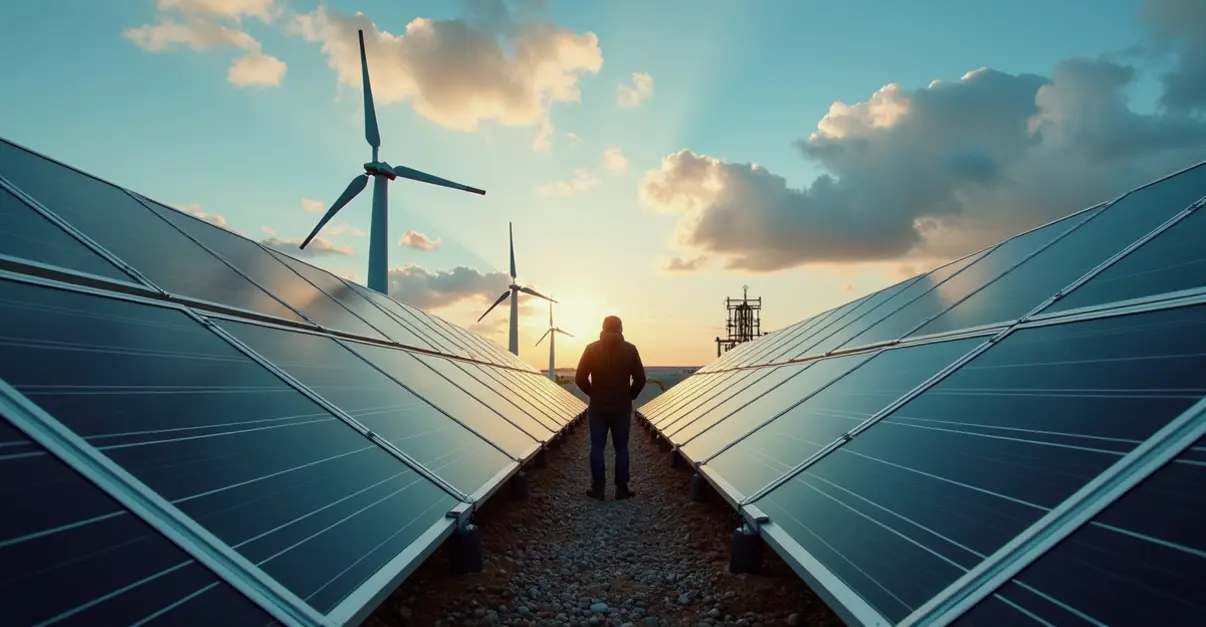
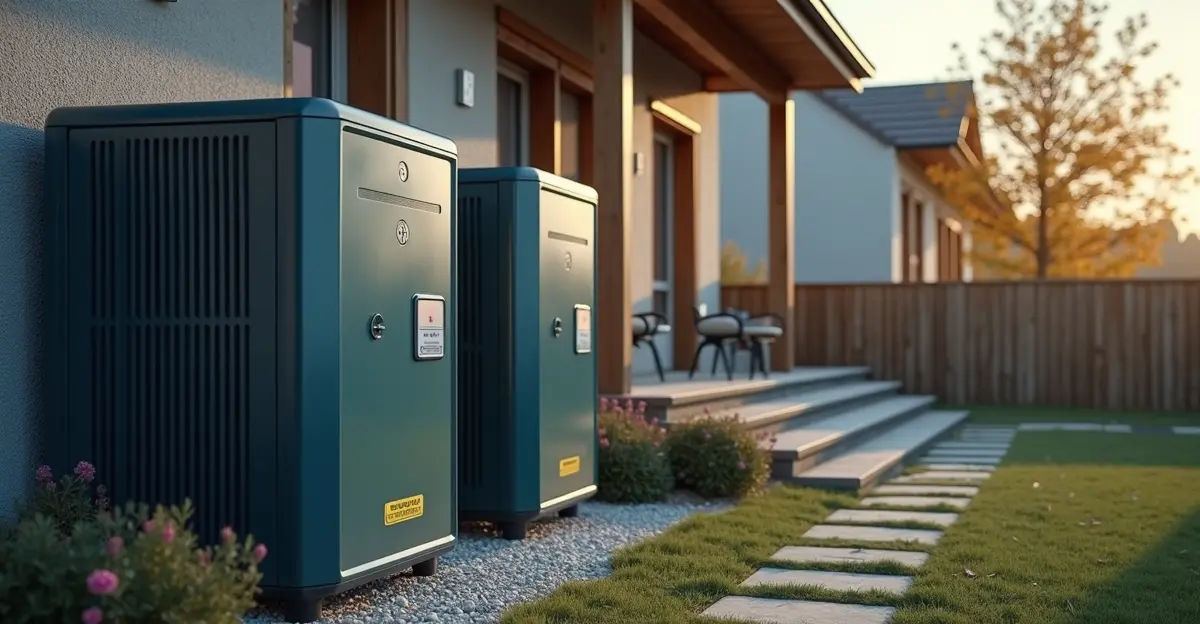
The battery revolution refers to the rapid advancement and deployment of energy storage technologies that enable reliable integration of intermittent renewable sources like solar and wind into power grids. Unlike traditional energy systems that rely on constant generation, modern grids require sophisticated storage solutions to balance supply and demand. Battery energy storage systems (BESS) have emerged as the fastest-responding dispatchable power source on electric grids, capable of transitioning from standby to full power in under a second to handle grid contingencies. According to 2026 market data, global battery storage capacity reached 42 GW by end-2023, with an impressive 26.3% compound annual growth rate projected through 2030.
Key Battery Technology Breakthroughs
Solid-State Batteries: The Safety Frontier
Solid-state batteries represent one of the most promising advancements, replacing conventional liquid electrolytes with solid alternatives that dramatically reduce flammability risks. Recent research published in ScienceDirect highlights sodium-based anti-perovskites and sulfide electrolytes that offer enhanced safety while maintaining high ionic conductivity. These batteries aim for energy densities reaching 500 Wh/kg by 2027, making them ideal for both electric vehicles and grid storage applications where safety is paramount.
Sodium-Ion Batteries: The Abundant Alternative
Sodium-ion technology is emerging as a cost-effective, resource-abundant alternative to lithium-ion systems. With sodium being 500-1000 times more abundant than lithium, these batteries address critical supply chain concerns while offering competitive performance. Recent breakthroughs include manganese-rich layered oxide cathodes and ultra-microporous hard-carbon anodes that enable stable operation at temperatures as low as -40°C. According to industry projections, sodium-ion batteries could reach production costs as low as $40/kWh by 2028, significantly undercutting current lithium-ion prices.
Quasi-Solid-State Lithium-Ion Systems
Hybrid approaches combining reduced flammable electrolyte content with high ionic conductivity have achieved remarkable stability, with some systems demonstrating over 1,000 charge cycles without significant degradation. These quasi-solid-state batteries represent a practical bridge technology that enhances safety while maintaining the performance characteristics of conventional lithium-ion systems. The renewable energy integration benefits are substantial, particularly for grid applications requiring both high energy density and enhanced safety protocols.
Grid Stabilization Applications
Modern battery storage systems provide essential grid services that were previously impossible with intermittent renewable sources alone. Key applications include:
- Frequency Regulation: Batteries respond within milliseconds to grid frequency fluctuations, maintaining the 60 Hz standard required for stable operation
- Peak Shaving: Storing excess renewable energy during low-demand periods and releasing it during peak hours reduces strain on traditional power plants
- Renewable Firming: Smoothing the output variability of solar and wind farms to provide consistent, predictable power delivery
- Black Start Capability: Restoring grid operations after complete outages without external power sources
The U.S. is undergoing what experts call a "$100 billion grid battery revolution," with plans to add 18 gigawatts of utility-scale storage capacity in 2025 alone, up from nearly 11 GW in 2024. California and Texas currently dominate the market, accounting for almost 75% of the nation's total energy storage capacity exceeding 26 GW.
Market Growth and Economic Impact
The economic transformation driven by battery technology is staggering. Utility-scale battery storage capital expenditure dropped 22% to $140/kWh in 2023, while battery pack prices fell 14% to $139/kWh. This cost reduction trajectory follows a remarkable pattern where the levelized cost of storage (LCOS) has halved every 4.1 years since 2014, dropping from $150 per MWh in 2020 to just $117 by 2023.
Regional deployment patterns reveal strategic priorities:
| Region | 2023 Capacity Added | 2025 Projection | Key Technology Focus |
|---|---|---|---|
| China | 19.43 GW | Leading global deployment | Lithium-ion, sodium-ion R&D |
| United States | 15.4 GW cumulative | 18 GW new capacity | Grid-scale BESS, solar pairing |
| Europe | 8.5 GW installed | 80 GW target by 2030 | Solid-state, flow batteries |
Policy support has been instrumental in this growth, with the U.S. Inflation Reduction Act providing $370 billion in clean energy incentives and the European Union mandating 80 GW of storage capacity by 2030. These policy frameworks create the market certainty needed for large-scale investments in battery manufacturing infrastructure and research facilities.
Expert Perspectives on the Revolution
Industry analysts emphasize that the battery revolution extends beyond technological breakthroughs to encompass systemic grid transformation. "We're not just building better batteries—we're reimagining how entire power systems operate," notes a senior energy analyst familiar with grid modernization efforts. "The integration of storage with digital grid management creates a fundamentally more resilient and efficient energy ecosystem."
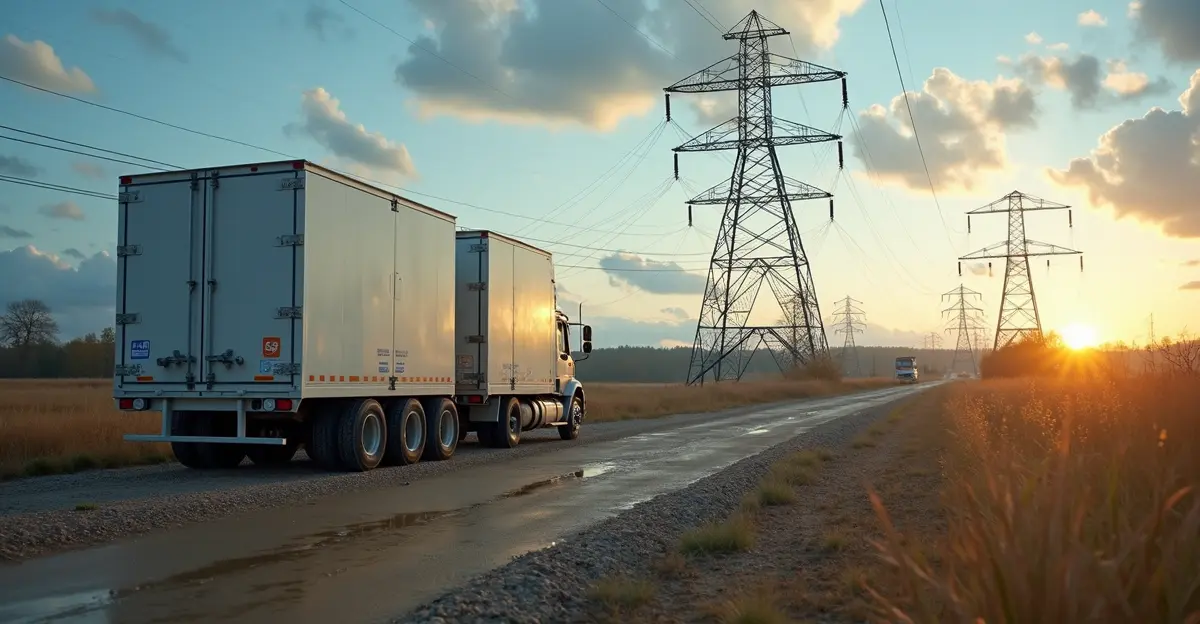
Research from the World Economic Forum highlights an often-overlooked advantage: battery storage can optimize existing grid infrastructure by serving as both storage and transmission assets. Current transmission lines operate at just 18-52% of capacity even during peak periods, creating opportunities for strategically placed batteries to store excess electricity when wires are underutilized and provide location-specific generation when transmission constraints emerge.
Challenges and Future Outlook
Despite remarkable progress, significant challenges remain. Supply chain constraints for critical minerals, regulatory frameworks that haven't kept pace with technological change, and the need for long-duration storage solutions (beyond 4-8 hours) represent ongoing hurdles. Additionally, end-of-life management and recycling infrastructure must scale alongside deployment to ensure environmental sustainability.
The future outlook remains overwhelmingly positive. Emerging technologies like flow batteries for long-duration storage, zinc-air batteries with exceptional energy density, and quantum battery concepts promising ultra-fast charging continue to expand the technological frontier. The convergence of battery innovation with artificial intelligence for grid optimization and predictive maintenance creates additional synergies that could accelerate the revolution further.
Frequently Asked Questions
What is the biggest advantage of modern battery storage for grids?
Modern battery storage provides millisecond response times for frequency regulation, something traditional power plants cannot match. This rapid response capability is essential for maintaining grid stability as renewable penetration increases.
How much has battery storage cost decreased in recent years?
Utility-scale battery storage costs dropped 22% to $140/kWh in 2023 alone, continuing a trend where costs have halved every 4.1 years since 2014. The levelized cost of storage fell from $150/MWh in 2020 to $117/MWh by 2023.
When will sodium-ion batteries become commercially viable?
Sodium-ion batteries are already entering commercial markets, with projections suggesting they could reach production costs of $40/kWh by 2028. Their resource abundance and competitive performance make them particularly promising for grid-scale applications.
What percentage of new U.S. generating capacity will be solar and storage in 2025?
Solar and battery storage are projected to represent 81% of the 63 GW of new utility-scale generating capacity added to the U.S. power grid in 2025, demonstrating their dominant role in energy infrastructure expansion.
How do batteries help integrate solar power more effectively?
Battery integration with solar power is expected to reach 60% in 2025, up from one-third in 2024. This strategic pairing stores excess solar generation during daylight hours for use during evening peaks, overcoming solar's inherent weather dependency.
Conclusion: The Revolution is Underway
The evidence overwhelmingly confirms that the battery revolution is not merely coming—it has arrived. From solid-state safety breakthroughs to sodium-ion cost advantages and unprecedented grid-scale deployment, energy storage technology is fundamentally transforming how we generate, store, and distribute electricity. While challenges remain in scaling, regulation, and sustainability, the trajectory is clear: batteries will play an indispensable role in stabilizing renewable energy grids and enabling the clean energy transition. The future of energy storage promises continued innovation, with next-generation technologies already on the horizon that could make today's breakthroughs seem primitive by comparison.

Follow Discussion