Shipping Giants Switch to Methanol & Ammonia Fuel

Shipping companies are rapidly adopting methanol and ammonia fuels to replace diesel, driven by emissions regulations. Maersk and CMA CGM lead the transition, though green fuel production and safety challenges remain.

Shipping Giants Switch to Methanol & Ammonia Fuel
Share
Edition: EN

Maritime Industry Shifts to Green Fuels

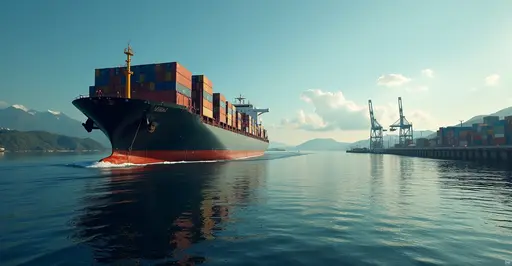
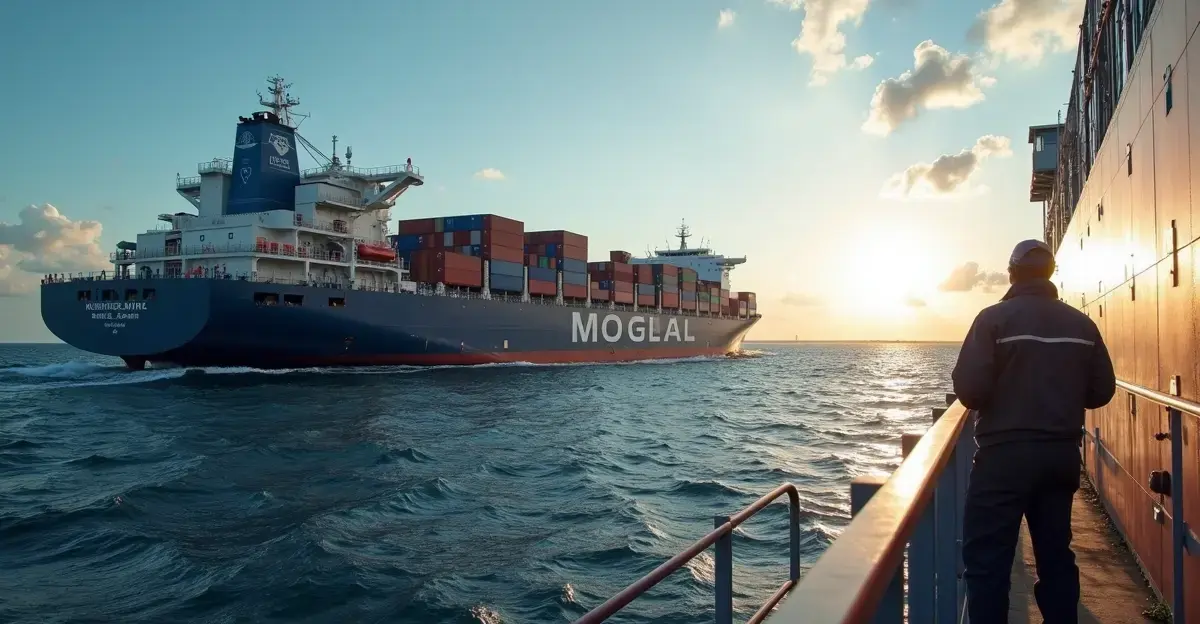
Global shipping companies are accelerating adoption of methanol and ammonia as primary fuels, replacing diesel in new vessel designs. This transition responds to tightening emissions regulations and net-zero commitments by 2050.

Why These Fuels?

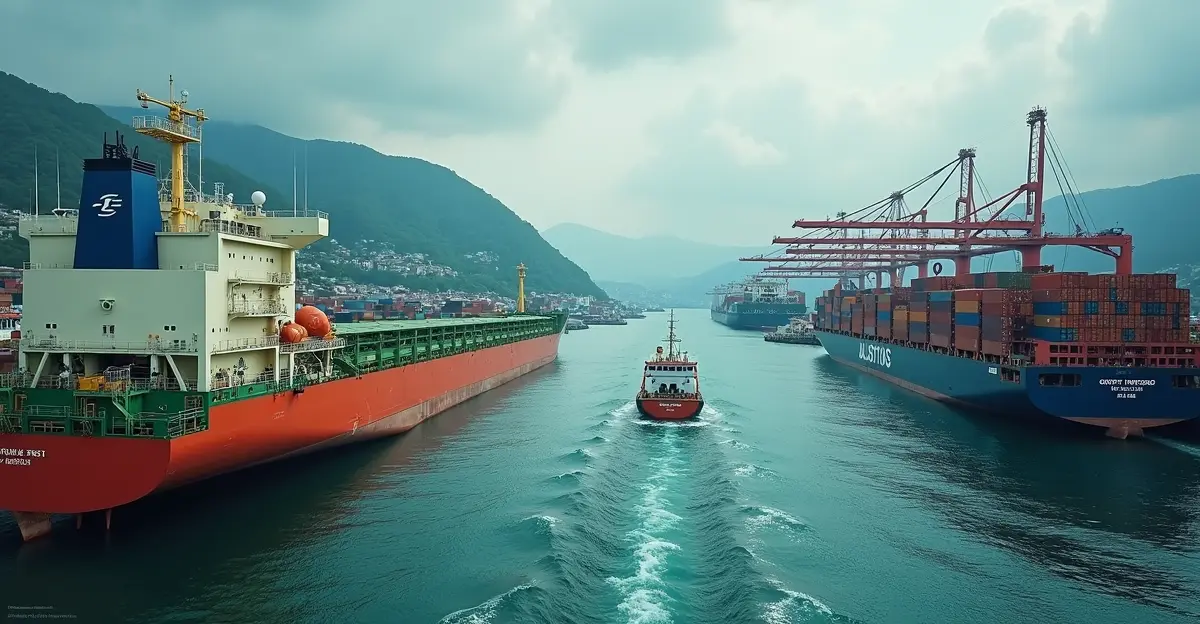
Methanol offers easier storage and handling compared to alternatives, with 20% lower CO2 emissions than conventional fuels. Ammonia provides true zero-carbon operation when produced using renewable energy (green ammonia). Major ports including Rotterdam and Singapore are developing specialized bunkering infrastructure.

Industry Adoption Accelerates

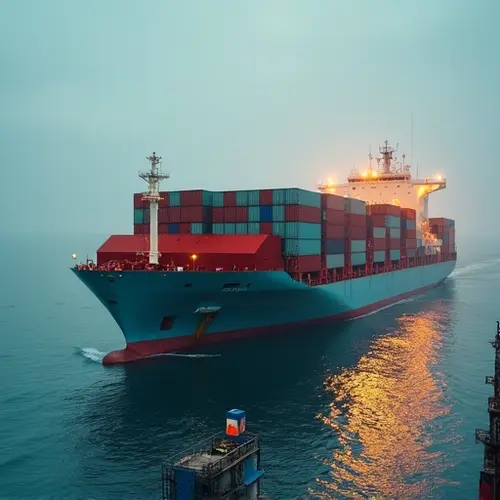
Maersk leads with 19 methanol-powered vessels on order, while CMA CGM has 12 dual-fuel ships entering service this year. Mitsubishi Shipbuilding recently launched the world's first ammonia-ready bulk carrier. "We're seeing 300% more green fuel vessel orders than in 2023," said maritime analyst Elena Torres.

Production Challenges

Current green methanol production meets only 15% of projected demand. New facilities in Scandinavia and Chile aim to close this gap using wind-powered hydrogen synthesis. Ammonia faces toxicity concerns, requiring new safety protocols for crew training and storage.

The Road Ahead

IMO regulations now mandate 30% emission cuts by 2030. With methanol ships costing 10-15% more than conventional vessels, industry coalitions are lobbying for green fuel subsidies. Analysts predict ammonia will dominate deep-sea shipping by 2035 as technology matures.
Closely related

Global Shipping Industry Targets Net Zero by 2050
Environment
Environment
Closely related

Global Shipping Industry Targets Net Zero by 2050

The International Maritime Organization approved a historic Net-Zero Framework in April 2025, committing global...

Shipping's Green Shift: Low Sulphur Fuels Cut Pollution
Environment
Environment
Closely related

Shipping's Green Shift: Low Sulphur Fuels Cut Pollution

Global shipping has significantly reduced sulphur emissions under IMO mandates, leading to cleaner air, fewer...

Global Shipping Fuel Rules Tightened: Sulfur Emissions Drop Linked to Reduced Lightning Activity
Environment
Environment
Closely related

Global Shipping Fuel Rules Tightened: Sulfur Emissions Drop Linked to Reduced Lightning Activity

New research shows IMO's 2020 sulfur fuel regulations reduced lightning activity by over 40% along shipping lanes,...

EU Launches Green Shipping Corridors to Cut Maritime Emissions
Environment
Environment
Closely related

EU Launches Green Shipping Corridors to Cut Maritime Emissions

EU launches Green Shipping Corridors initiative with key partnerships including Port of Algeciras-Panama Canal and...

Can Global Shipping Meet Its Carbon Goals?
Environment
Environment
Closely related

Can Global Shipping Meet Its Carbon Goals?

The IMO has approved regulations to achieve net-zero emissions in global shipping by 2050, including a global fuel...

Major Ports Implement Zero-Emission Docking Mandates
Energy
Energy
Closely related

Major Ports Implement Zero-Emission Docking Mandates

Major ports worldwide are implementing mandatory zero-emission docking policies requiring ships to use shore power...