


 Deutsch
 English
 Español
 Français
 Nederlands
 Português


 Share
Share




IMO 2020 Regulation Reshapes Maritime Industry
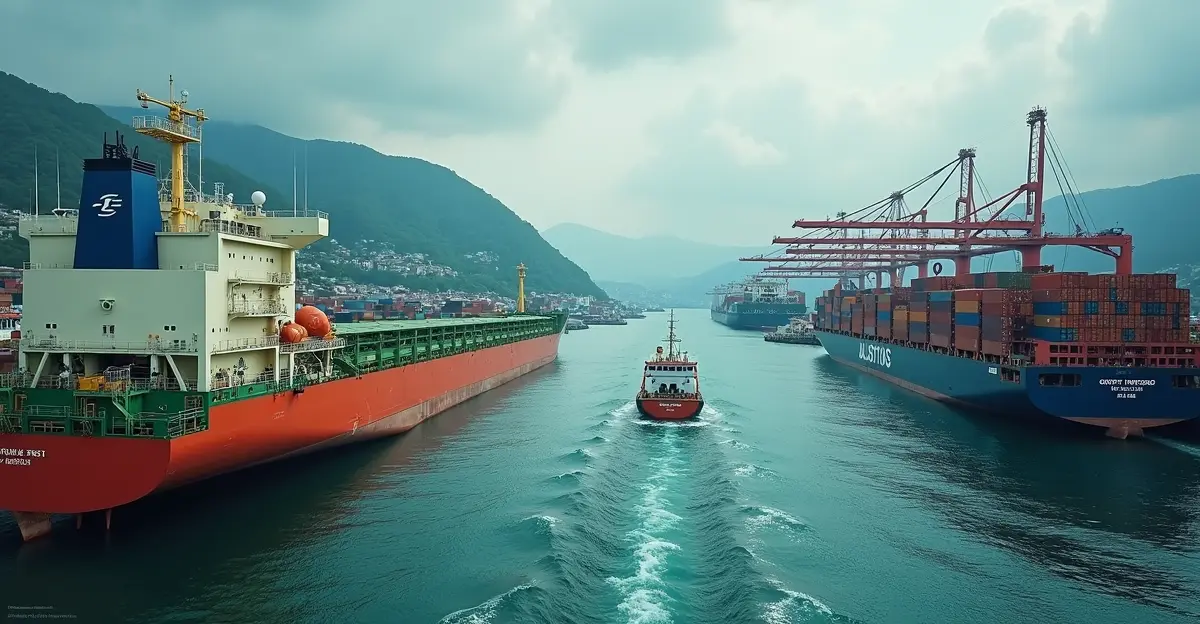
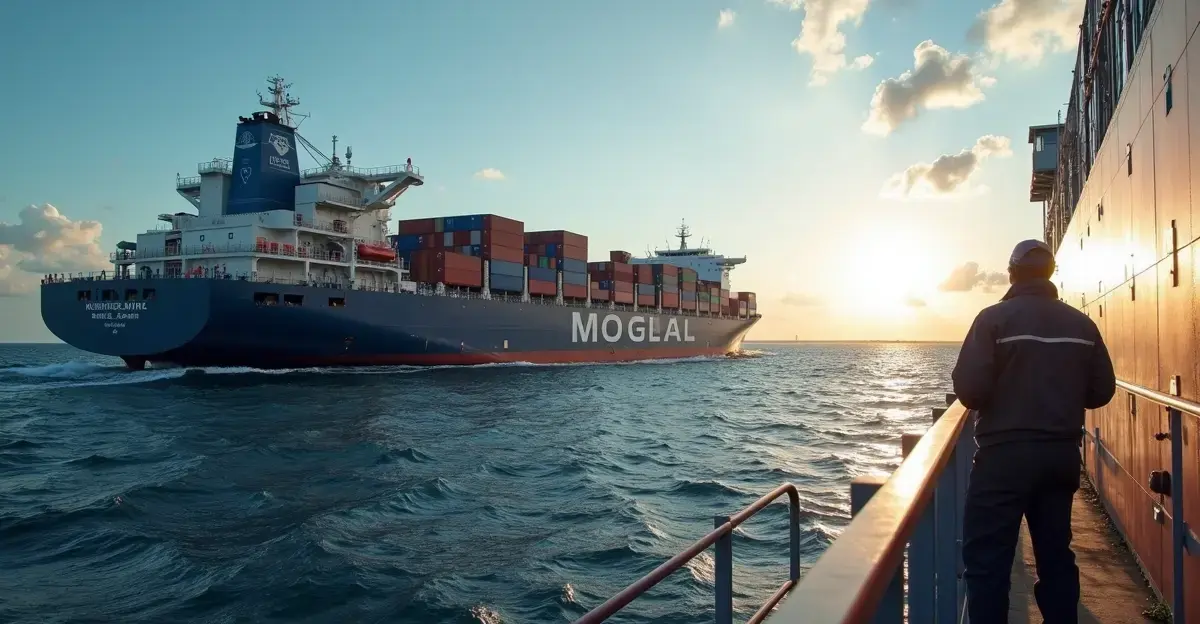
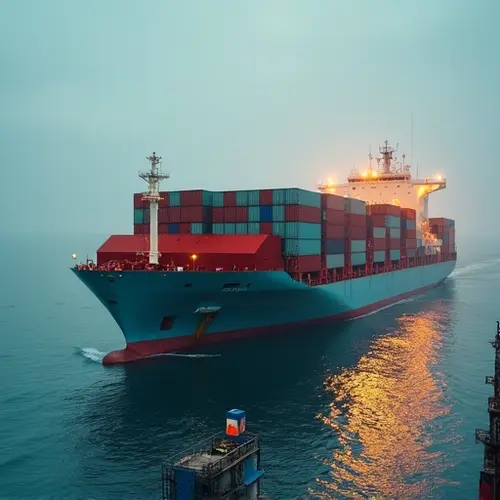
The International Maritime Organization's (IMO) landmark 2020 fuel regulation has transformed global shipping emissions. The rule slashed maximum sulfur content in marine fuel from 3.5% to 0.5%, aiming to reduce sulfur oxide emissions by approximately 77% - equivalent to 8.5 million metric tons annually.
Unintended Climate Impacts Revealed
New research published in Atmospheric Chemistry and Physics reveals an unexpected consequence: lightning activity over major shipping lanes has decreased by over 40% since implementation. Scientists analyzed data from the Indian Ocean and South China Sea shipping corridors using the Worldwide Lightning Location Network, finding a direct correlation between reduced aerosol emissions and diminished lightning frequency.
How Aerosols Influence Weather Systems
Maritime fuel emissions previously provided abundant cloud condensation nuclei (CCN), leading to higher concentrations of smaller cloud droplets. This enhanced electrification processes in deep convective clouds. "The shipping lane lightning enhancement has fallen dramatically across all atmospheric conditions," lead researcher Chris Wright noted. Satellite data also confirms a 10-15% reduction in cloud droplet concentrations over these routes.
Broader Environmental Implications
The findings demonstrate complex aerosol-cloud interactions: fewer emissions mean larger rain droplets and reduced ice crystal collisions that generate electrical charges. While beneficial for air quality, this reduction may impact regional rainfall patterns. The study provides crucial insights for climate modeling as the industry moves toward zero-emission shipping targets by 2050.
For more details: Wright et al. (2025) and IMO Regulations

Follow Discussion