


 Deutsch
 English
 Español
 Français
 Nederlands
 Português


 Share
Share




Evergrande Founder Hui Ka Yan Confesses to Fraud in Landmark Court Case
Hui Ka Yan, the founder of the collapsed Chinese real estate giant Evergrande, has confessed to fraud and bribery charges in a Shenzhen court, marking a pivotal moment in China's ongoing property crisis. The 67-year-old former billionaire, once among China's wealthiest individuals, faces potential life imprisonment for his role in what has become one of the largest corporate collapses in history. Evergrande's downfall, which began with its 2021 default on $254 billion in debt, triggered a domino effect that continues to impact millions of Chinese homeowners and the broader economy.
What is Evergrande and How Did It Collapse?
Evergrande Group was China's second-largest property developer by sales and, at its peak, the world's most valuable real estate company. Founded in 1996 by Hui Ka Yan, the company expanded rapidly through aggressive borrowing, accumulating over $300 billion in liabilities. The company's business model relied on continuous borrowing from banks and construction companies to fund new projects, creating a pyramid of debt that became unsustainable when China tightened lending regulations in 2020.
The collapse began in 2021 when Evergrande failed to make debt payments, sparking what has become known as the Chinese property sector crisis. A Hong Kong court ordered the company's liquidation in January 2024 after it failed to present a viable restructuring plan. The company was delisted from the Hong Kong Stock Exchange in August 2025, ending its 15-year trading history.
The Fraud Charges Against Hui Ka Yan
Chinese authorities have accused Hui of multiple financial crimes, including:
- Inflating Evergrande's revenue by $70 billion through premature recognition of sales
- Misusing public funds for personal gain
- Engaging in bribery to secure favorable treatment
- Violating securities regulations through improper financial reporting
During the court proceedings, Hui expressed remorse for his actions, stating through his legal representatives that he accepted responsibility for the company's collapse. The court has already imposed significant penalties, including a multi-million dollar fine and a lifetime ban from securities trading.
The Impact on China's Real Estate Market
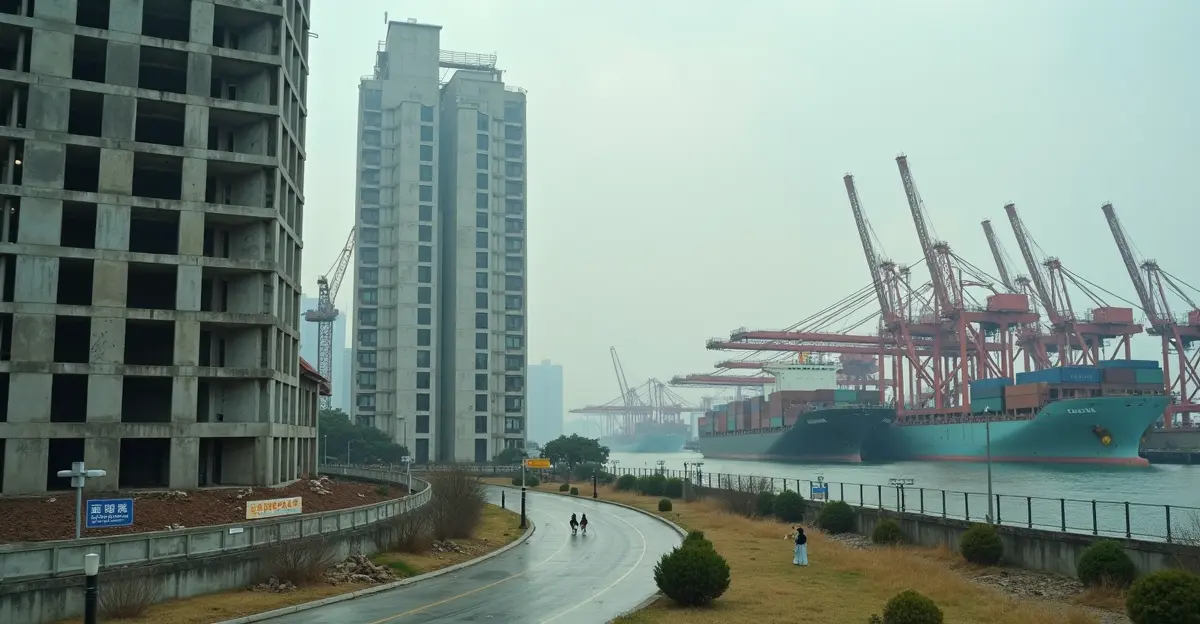
The Evergrande collapse has had devastating consequences for China's property sector and ordinary citizens:
| Impact Area | Statistics | Timeframe |
|---|---|---|
| Average Home Prices | Down 25% | Since 2020 |
| Unfinished Projects | Millions of units | Nationwide |
| Household Wealth Loss | $18 trillion | Since crisis began |
| GDP Drag | 1.5-2.5 percentage points | Annual impact |
As China correspondent Gabi Verberg noted, 'The contrast between the fate of ordinary Chinese citizens and Hui Ka Yan, who owned luxury villas worldwide before his downfall, could hardly be greater. There's little sympathy for Hui on social media, with many hoping for severe punishment.'
Why This Case Matters Beyond Evergrande
The prosecution of Hui Ka Yan represents a significant shift in China's approach to corporate accountability. For years, China's property developers operated with minimal oversight, fueling a construction boom that saw housing prices reach 17 times average salaries by 2020. The government's current crackdown signals a new era of regulatory enforcement aimed at preventing similar crises.
The case also highlights the global implications of China's economic policies, as international creditors and investors continue to seek recovery from Evergrande's massive debt. Liquidators have been granted receivership authority over Hui's personal assets, targeting approximately $6 billion in dividends and payments he received between 2017 and 2021.
What Happens Next for China's Property Sector?
Analysts predict China's property crisis will continue to impact the economy through 2026 and potentially into the late 2020s. The government faces a delicate balancing act: stabilizing the market without reigniting speculative bubbles that caused the initial crisis.
Key developments to watch include:
- The final sentencing of Hui Ka Yan, expected within months
- Continued liquidation proceedings for Evergrande's remaining assets
- Government measures to complete unfinished housing projects
- Potential reforms to China's property development financing model
The crisis has fundamentally changed how Chinese citizens view real estate investment. Once considered a guaranteed retirement savings vehicle due to limited social security options, property is now seen as a risky asset class. This psychological shift may have long-term implications for China's economic structure and growth patterns.
Frequently Asked Questions
What is Evergrande?
Evergrande was China's second-largest property developer that collapsed in 2021 with over $300 billion in debt, triggering the country's ongoing real estate crisis.
Who is Hui Ka Yan?
Hui Ka Yan (also known as Xu Jiayin) is the founder of Evergrande, once among China's richest individuals, now facing fraud charges that could result in life imprisonment.
How has the Evergrande collapse affected ordinary Chinese citizens?
Millions of Chinese homeowners have seen property values drop 25% since 2020, with many stuck in unfinished projects and losing significant retirement savings invested in real estate.
What happens to Evergrande's unfinished projects?
Chinese authorities are working to complete some projects, but many remain stalled, leaving homebuyers in limbo and contributing to the broader housing market downturn.
Will other developers face similar prosecution?
The Hui case suggests increased accountability for corporate executives, potentially leading to more prosecutions as China addresses systemic issues in its property sector.



Follow Discussion