


 Deutsch
 English
 Español
 Français
 Nederlands
 Português


 Share
Share




China’s Real Estate Crisis: A Global Concern
China’s property sector, once a powerhouse of economic growth, is now facing a severe crisis. The instability in the sector is not just a domestic issue but is increasingly affecting global investors, including pension funds and real estate holdings worldwide. With property prices plummeting and developers defaulting on debts, the ripple effects are being felt far beyond China’s borders.
The Crisis Unfolds
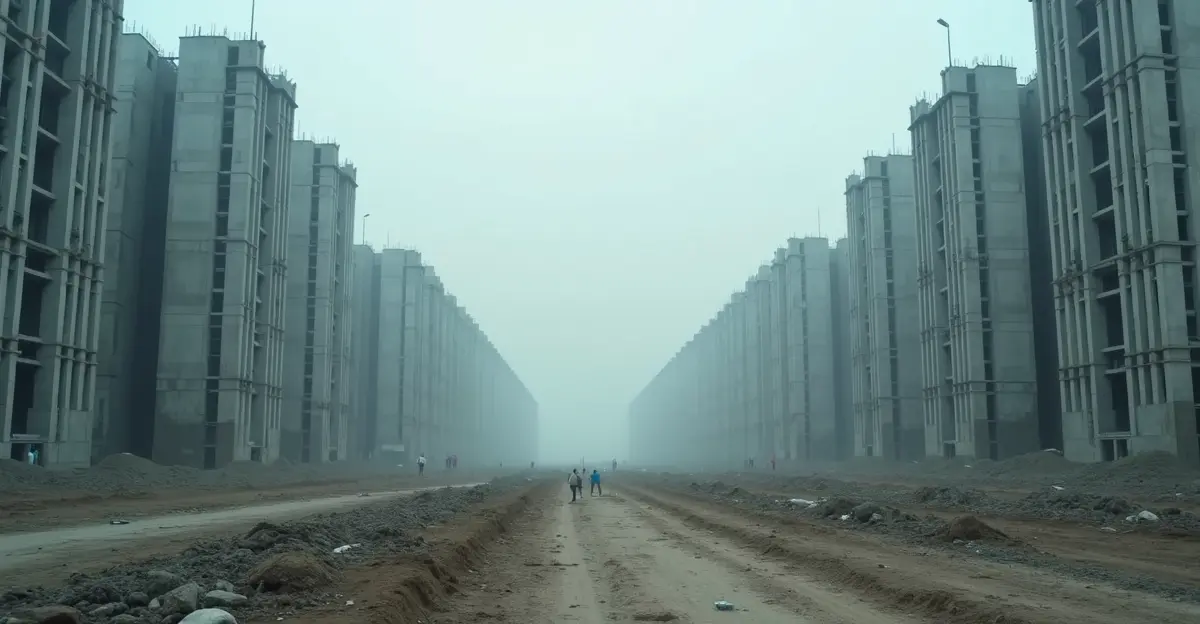
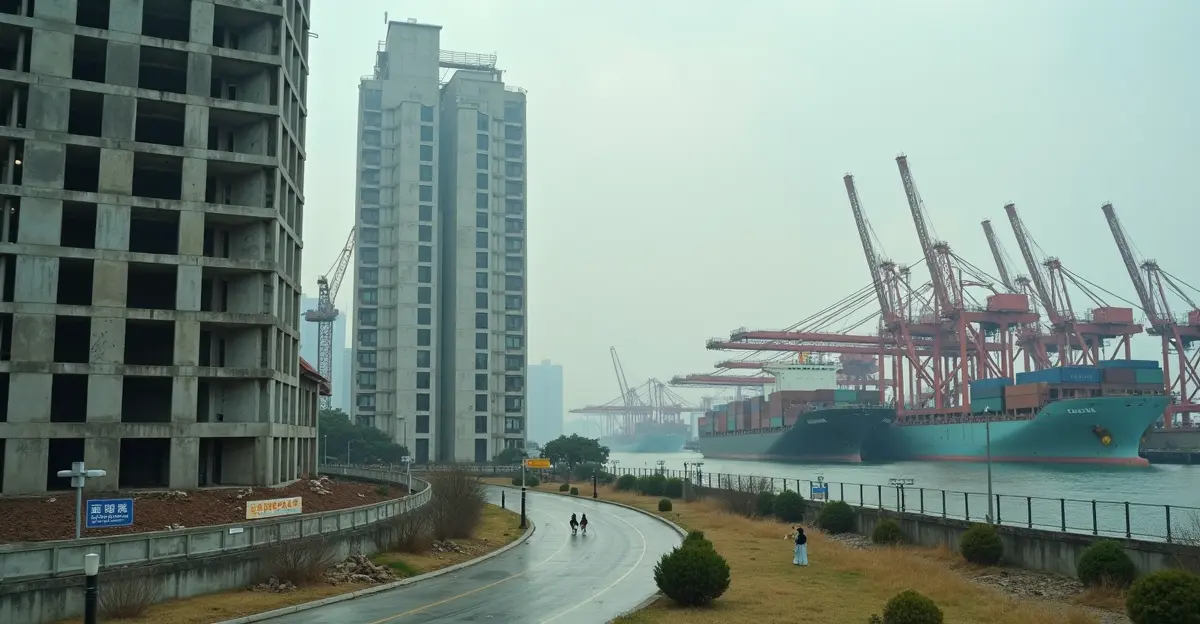
Recent reports indicate that China’s real estate prices have fallen at the fastest rate in nearly a decade. This decline is attributed to a combination of factors, including excessive debt, overbuilding, and stringent government regulations aimed at curbing speculative investments. The collapse of major developers like Evergrande has further exacerbated the situation, leaving investors scrambling to mitigate losses.
Impact on Global Investors
Pension funds and institutional investors, who had heavily invested in Chinese real estate, are now facing significant losses. Many of these funds had viewed China’s property market as a safe bet, given its historical growth. However, the current crisis has exposed the vulnerabilities of such investments. For instance, some U.S. and European pension funds have reported substantial write-downs on their Chinese real estate holdings.
Hedging Strategies
Investors are now exploring various strategies to hedge against further losses. These include diversifying portfolios away from Chinese real estate, increasing investments in other emerging markets, and even turning to alternative assets like commodities and cryptocurrencies. Some are also advocating for stricter due diligence and risk assessment frameworks to avoid similar pitfalls in the future.
The Road Ahead
While the Chinese government has introduced measures to stabilize the market, such as easing some property restrictions and injecting liquidity, the long-term outlook remains uncertain. Analysts warn that the crisis could persist for years, with broader implications for global financial markets.



Follow Discussion