


 Deutsch
 English
 Español
 Français
 Nederlands
 Português


 Share
Share




The death toll in the Cyprus ferry disaster has climbed to ten, with 18 people still missing, as recovery teams continue searching the Mediterranean seabed off the coast of Northern Cyprus, officials confirmed on Thursday. The update comes nearly a week after the high-speed ferry Filo Jet capsized and sank on 30 August 2026 while travelling from Kyrenia (Girne) to Taşucu in Turkey, prompting one of the region's largest maritime rescue operations in decades.
What Happened to the Cyprus Ferry?
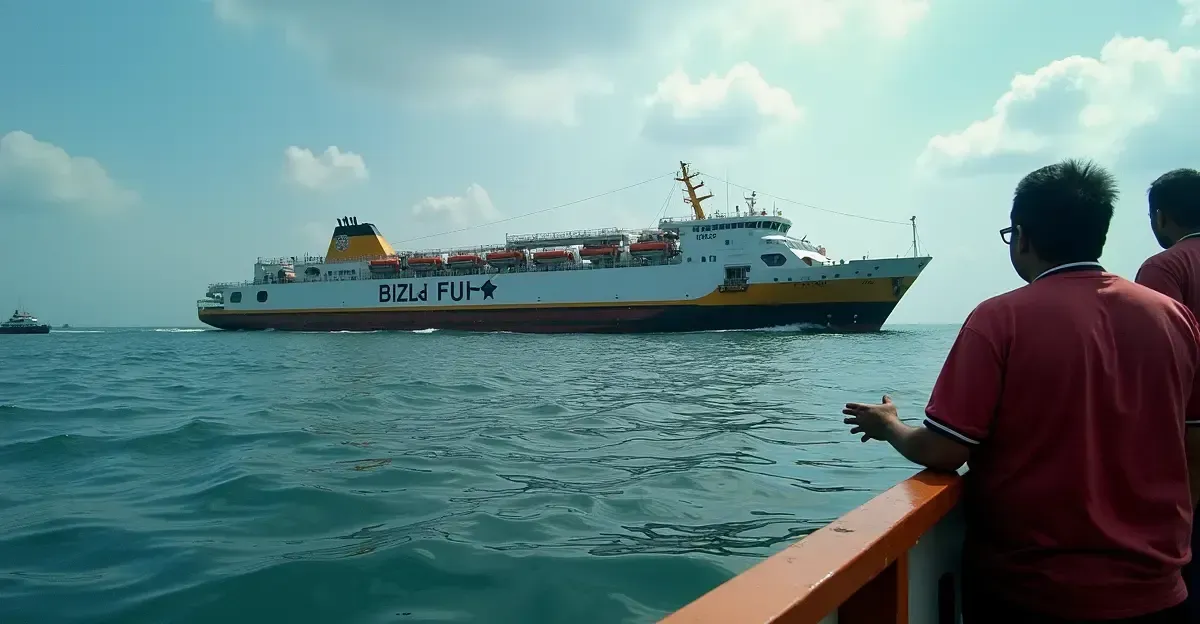
The catamaran-style vessel, operated by Filo Denizcilik, was carrying 259 passengers and 8 crew members when it began taking on water about 7.5 km offshore after encountering rough seas. Witnesses reported the ship hitting a large wave and being struck by a second wave that caused it to roll over and capsize. Photographs showed passengers standing on the hull before the vessel sank to a depth of roughly 514-550 metres. The Filo Jet ferry disaster has become one of the worst maritime tragedies in the region since Northern Cyprus proclaimed independence more than four decades ago.
Rescue and Recovery Effort Update
After the capsize, 239 people were rescued by Turkish Cypriot and Turkish coastguard vessels, helicopters, military units and civilian boats. Initially eight bodies were recovered and 20 people were listed missing. On Wednesday, sea drones located the wreck at a depth of about half a kilometre, and another body was found. On Thursday, a tenth body was recovered, leaving 18 people unaccounted for. Authorities in Northern Cyprus, a republic recognised internationally only by Turkey, suspect the remaining missing may have sunk to the seabed with the ferry. Rescue teams are now using sea drone recovery operations to bring bodies to the surface, while also searching for the vessel's black box, also known as the voyage data recorder.
Investigation and Accountability
The captain and seven crew members, along with Filo Denizcilik's managing director, have been detained as part of an investigation into causing death through negligence. Northern Cyprus Prime Minister Ünal Üstel announced an inquiry, while the transport minister was dismissed on 2 September. Specialised vessels and divers from Turkey are expected to assist in recovering the data recorder. The case echoes maritime negligence investigations in other jurisdictions where crew actions and weather decisions are scrutinised.
Timeline of the Cyprus Ferry Disaster
- 29 August 2026: Scheduled departure postponed due to severe weather.
- 30 August 2026: Filo Jet departs Kyrenia at 11:58 local time and capsizes about 7.5 km offshore; 239 people are rescued.
- 31 August - 2 September 2026: Eight bodies are recovered; captain and crew are detained; transport minister is dismissed.
- 3 September 2026: Sea drones locate the wreck at a depth of 500 metres; a ninth body is found.
- 4 September 2026: A tenth body is recovered, bringing the death toll to 10; 18 people remain missing.
Impact and Implications
The tragedy has prompted three days of national mourning in Northern Cyprus and drawn condolences from Turkish President Recep Tayyip Erdoğan, the Republic of Cyprus and the United Nations. Kyrenia's mayor described the disaster as 'the worst tragedy in more than 40 years.' The sinking has reignited debate over ferry safety standards in the Eastern Mediterranean and whether sailing decisions in adverse weather should be more strictly regulated.
FAQ: Cyprus Ferry Disaster
How many people died in the Cyprus ferry disaster?
Ten people have been confirmed dead as of 4 September 2026.
How many people are still missing?
Eighteen people remain missing, according to Northern Cyprus authorities.
Where did the ferry sink?
The Filo Jet sank off Kyrenia (Girne), Northern Cyprus, about 7.5 km offshore, at a depth of roughly 514-550 metres.
What caused the ferry to capsize?
Initial reports indicate the catamaran took on water after hitting large waves in rough seas; an investigation into negligence is ongoing.
Has the black box been recovered?
No, recovery teams are still searching for the voyage data recorder using sea drones and specialised vessels.

Follow Discussion