


 Deutsch
 English
 Español
 Français
 Nederlands
 Português


 Share
Share




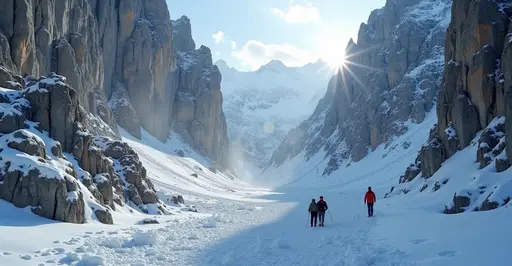
The Mont Blanc massif is facing a severe rockfall crisis in August 2026, forcing authorities to close the three main normal climbing routes to Western Europe's highest summit. A prolonged drought and melting permafrost have turned sections of the mountain into what Dutch guide Jelle Staleman calls an 'almost apocalyptic' landscape of house-sized boulders tumbling down rock faces. The closures come after a 31-year-old alpinist was killed by falling rock in Haute-Savoie on August 14, the third fatal accident in 24 hours across the massif.
What is happening on Mont Blanc?
Mountain guides and local officials report that the summer climbing season has been unusually dangerous. According to NOS, the three main regular routes to the summit of Mont Blanc are temporarily closed, and many mountain refuges are keeping their doors shut. The Italian route has been shut since mid-July because of hazardous crevasses, while French routes face massive rockfall threats.
Staleman, a 44-year-old Dutch ski and mountain guide working on the Italian side, said the region has seen almost no snow or rain for roughly sixty days. 'This is the most dramatic season I have experienced in twenty years in the Alps,' he said. The lack of snow is especially visible on glaciers, where even at 4,000 meters temperatures regularly hover around freezing point.
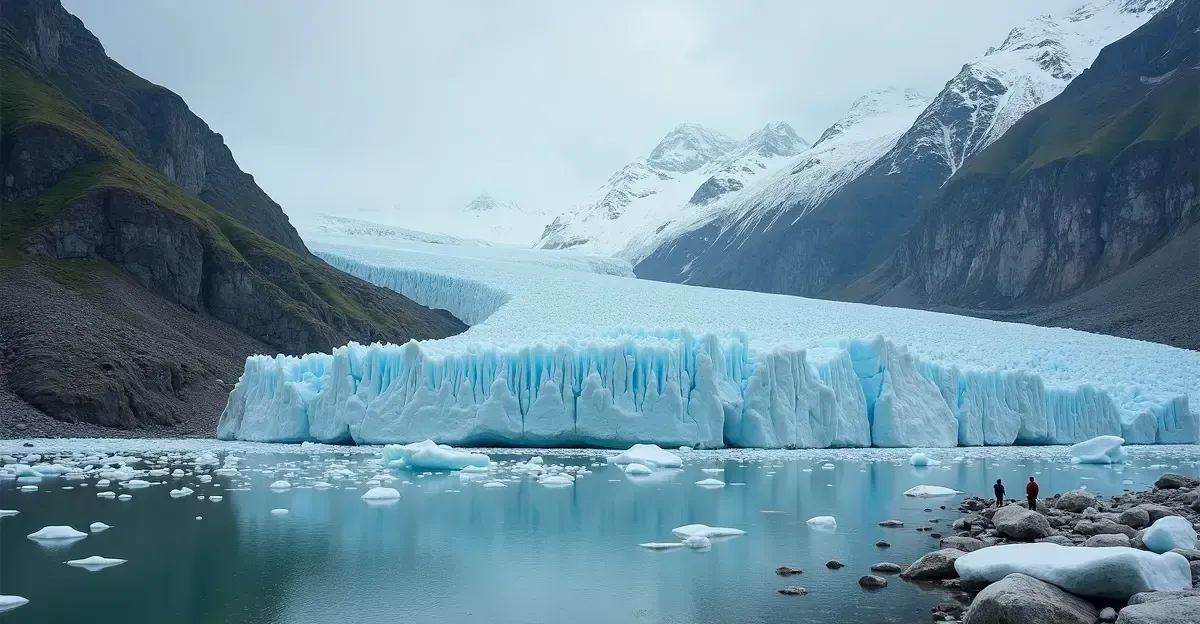
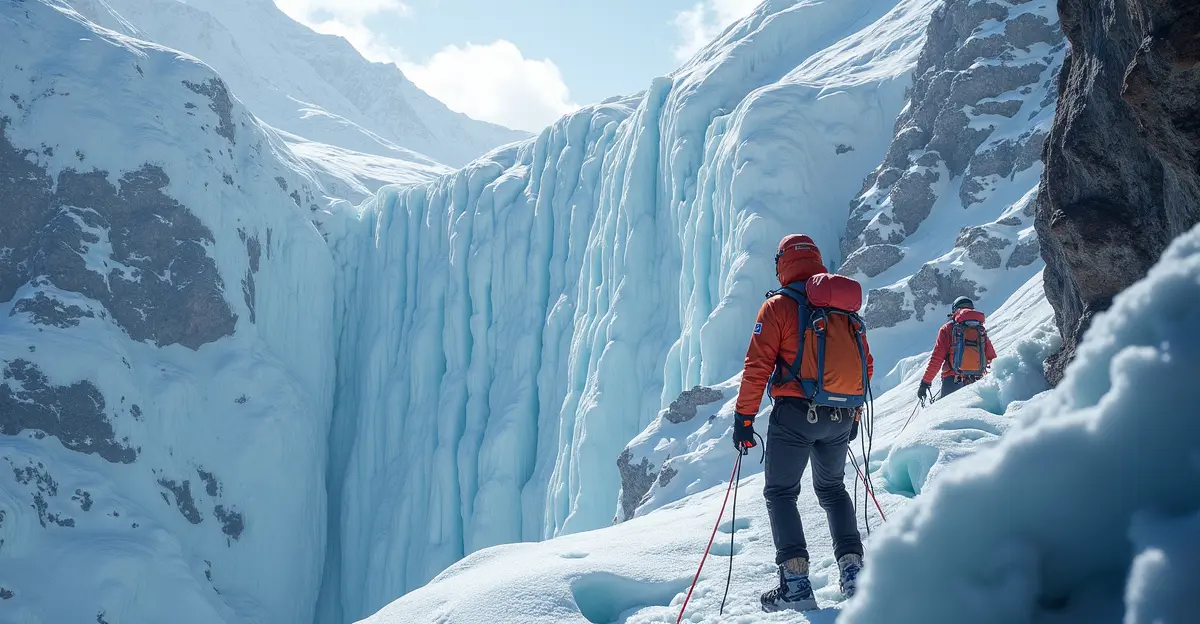
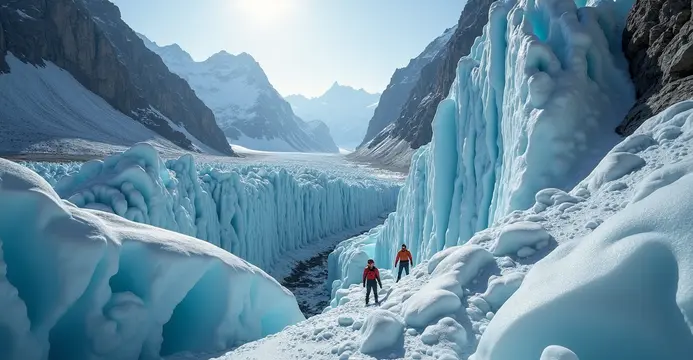
The alpine climbing safety risks have risen sharply as glaciers melt faster at their base than at higher elevations, making them steeper and more prone to icefall.
Why are rockfalls increasing on Mont Blanc?
Scientists link the surge in rockfalls to permafrost loss. Permafrost is a permanently frozen layer of ground that acts like cement holding mountain rock together. As climate change pushes the zero-degree line higher, that frozen layer thaws and destabilizes entire rock walls.
Earth scientist Tjalling de Haas of Utrecht University explained: 'A rock face is never one single unit; there are cracks running through it. Water enters those cracks and freezes. With permafrost, it stays permanently frozen. That ice holds the mountain together like glue.' When the permafrost thaws, the last bit of support disappears, triggering collapses.
De Haas also highlighted the destabilizing effect of melting glaciers. 'Glacier ice presses against a rock wall. When the glacier melts, that pressure disappears and the rock expands. This leads to instability and increases the risk of rock avalanches.'
Climate scientists have warned that the impact of climate change on glaciers is accelerating across the Alps, with some studies predicting half of all glacier ice could vanish this century even in the best scenario.
Which routes are closed and what are the consequences?
The closures affect not only climbers but also local economies. Staleman noted that clients sometimes train for months and spend thousands of euros on a summit attempt. 'It is annoying when a route is closed, but sometimes that is necessary,' he said.
Mountain hut owners are also suffering. Many huts depend on meltwater from glaciers or rainwater; when those sources dry up, some huts have to close early. Guides report having to adjust about half of their original plans, compared with roughly 20 percent twenty years ago.
The economic pressure has led some climbers to attempt unregulated mountain routes or ignore closures, increasing rescue risks.
How are guides and authorities responding?
Staleman has stopped offering Mont Blanc summit climbs in July and August due to the deteriorating conditions. In other parts of the massif, trips are often still possible, but routes frequently have to be adapted. 'It is constant improvisation,' he said. Authorities are urging climbers to check weather forecasts, use proper equipment, and respect closures to avoid further fatalities.
FAQ: Mont Blanc Rockfall Crisis 2026
Why are the Mont Blanc climbing routes closed in 2026?
Three main normal routes to the summit are closed due to extreme rockfall danger, melting permafrost, and unstable glaciers caused by prolonged drought and heat.
What caused the rockfalls on Mont Blanc?
Thawing permafrost and melting glaciers destabilize rock faces. Permafrost acts like glue; when it melts, boulders break loose and trigger rock avalanches.
How many people have died in the Mont Blanc massif recently?
A 31-year-old alpinist was killed by falling rock on August 14, 2026, the third fatal accident within 24 hours in the massif.
Is it safe to climb Mont Blanc now?
Authorities advise against climbing the normal routes while they are closed. Conditions are highly unpredictable, and even experienced guides are adjusting or canceling trips.
Will the routes reopen soon?
No reopening date has been announced. The closures depend on weather, snow, and rockfall risk, which remain high amid the ongoing drought.
Follow Discussion