


 Deutsch
 English
 Español
 Français
 Nederlands
 Português


 Share
Share




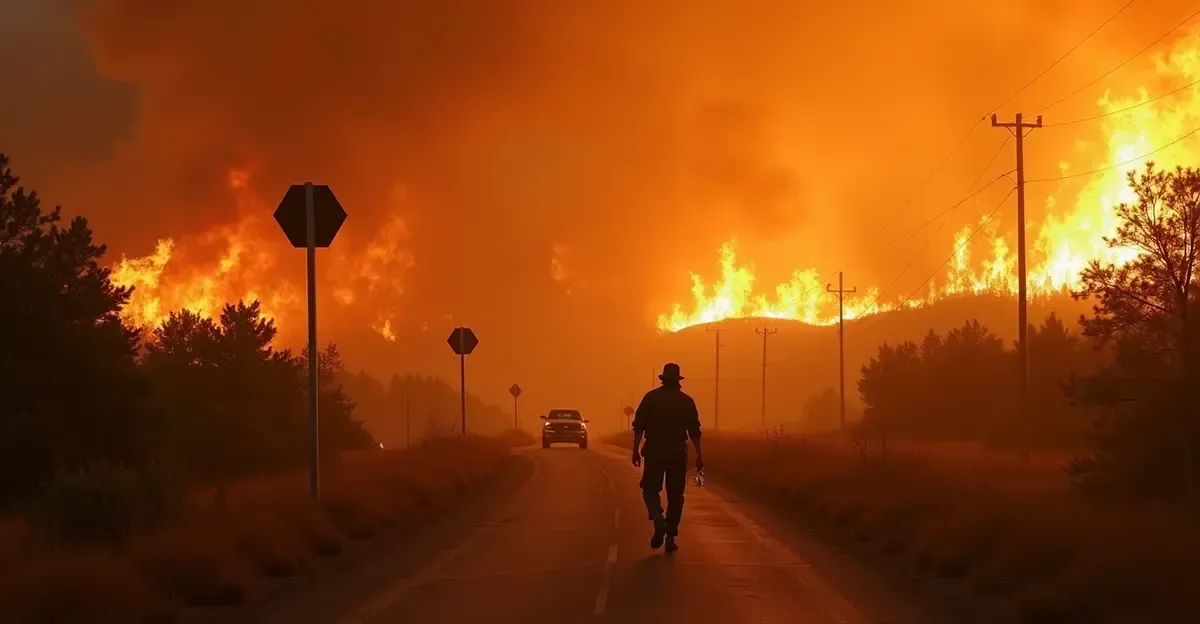
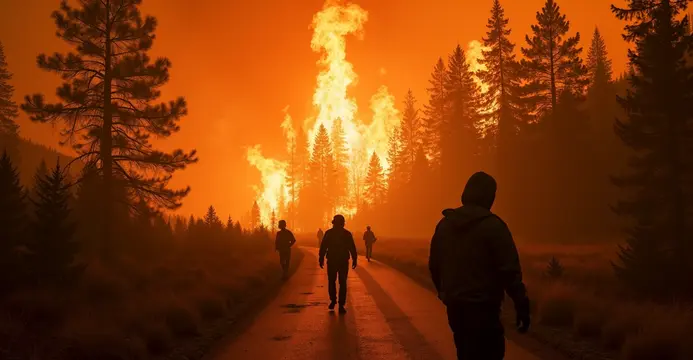
A province-wide state of emergency has been declared in British Columbia, Canada, after a fast-moving wildfire forced the evacuation of more than 20,000 residents near Okanagan Lake. The fire, which ignited on Friday, has already consumed over 95 square kilometers of land west of the lake, close to the city of Kelowna, and continues to spread rapidly under dry, windy conditions. "Homes have been lost and properties completely destroyed. Some people got trapped when conditions suddenly changed and had to be rescued. It is a dangerous situation that is developing rapidly," said Premier David Eby.
Background and Context
British Columbia is experiencing one of its most severe wildfire seasons in recent memory, exacerbated by prolonged drought and record-high temperatures. The region, known for its wine production and fruit farming, is particularly vulnerable to wildfire impacts on agriculture. This year alone, over 4 million hectares have burned across Canada, adding to a string of devastating wildfire seasons driven by climate change. The 2026 season was projected to be above historical averages, with British Columbia, Alberta, and the Northwest Territories at highest risk.
The Fire's Rapid Spread and Evacuations
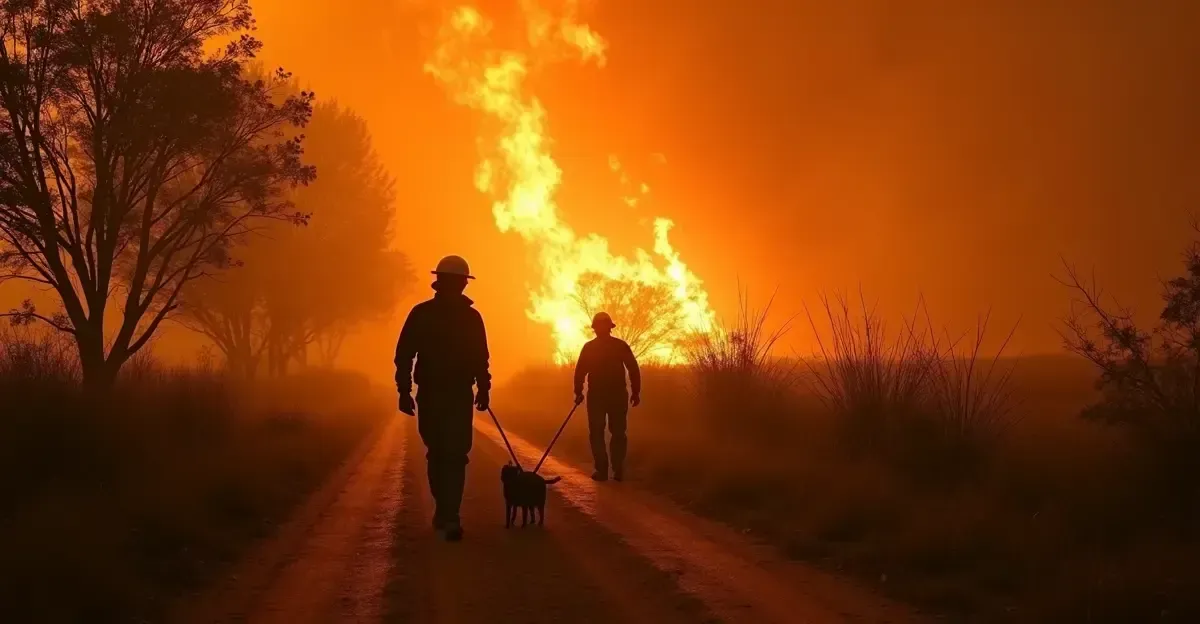
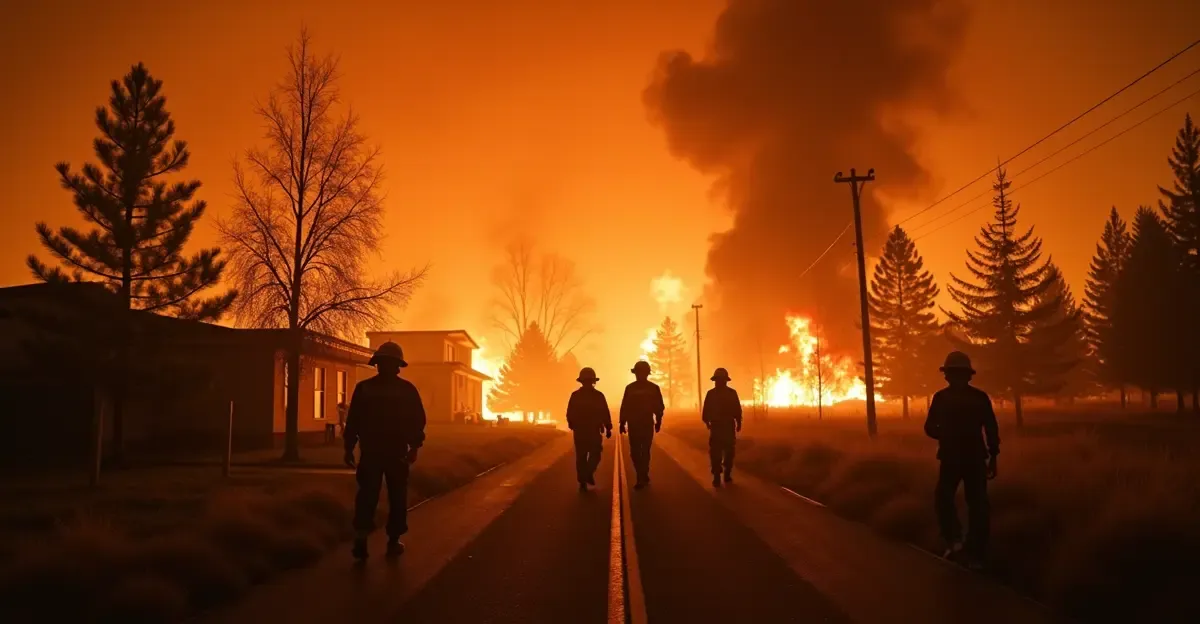
The blaze, referred to as the Bald Range fire, started on Friday, August 7, and exploded in size over the weekend. By Sunday, authorities had ordered the evacuation of more than 20,000 people from communities along Okanagan Lake, including parts of Kelowna. Many evacuees were sheltered in congress centers and community halls, while others fled by car, some narrowly escaping walls of flame. "This is the worst nightmare for many people. I cannot emphasize enough that the conditions we are now facing are unprecedented," said Cliff Chapman of the BC Wildfire Service during a press conference.
Impact on Infrastructure and Agriculture
The fire has not only threatened human life but also critical infrastructure. Power outages have left parts of the area without electricity, and water treatment plants have been compromised, prompting a boil-water advisory for residents. The region's famous orchards and vineyards are at grave risk, with many farm operations directly in the fire's path. Emergency water management during wildfires has become a pressing concern for local officials.
Official Response and Firefighting Challenges
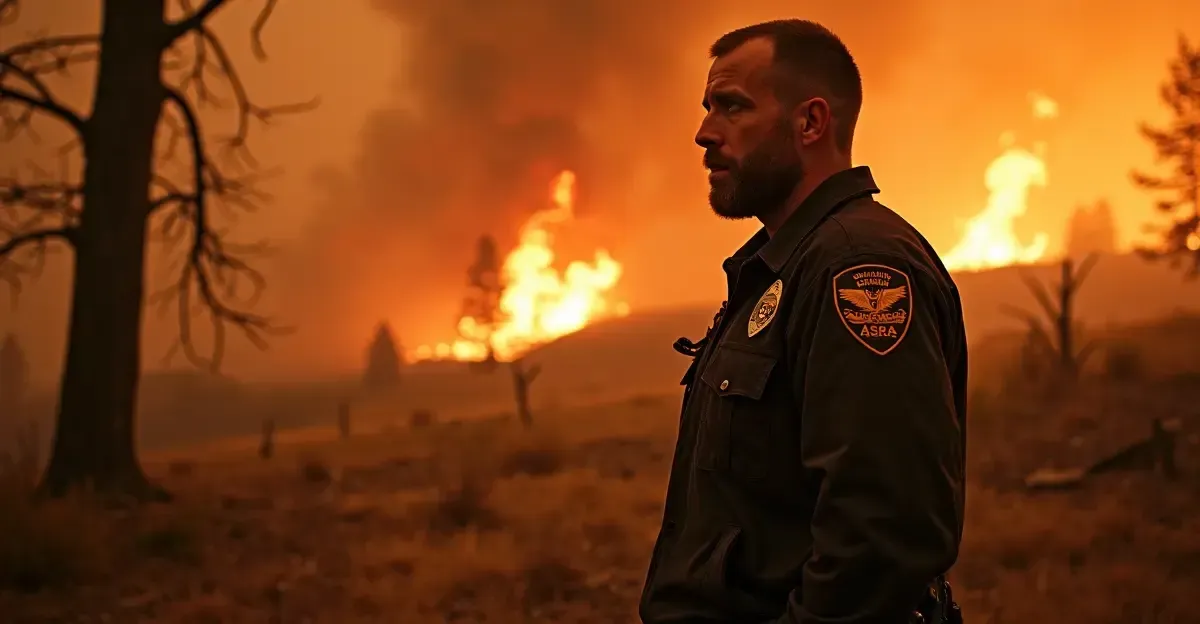
Premier Eby vowed full government support, while Prime Minister Mark Carney expressed gratitude to first responders and confirmed federal assistance. "The federal government stands ready to help British Columbia," Carney said in a social media post. However, firefighters face extreme challenges: steep terrain, unpredictable winds, and tinder-dry vegetation have made containment difficult. The BC Wildfire Service has deployed hundreds of firefighters, helicopters, and air tankers, but the fire's rapid growth has outpaced efforts. Canadian wildfire emergency response strategies are being tested like never before.
Broader Wildfire Season in Canada
This fire is one of approximately 100 currently burning in British Columbia alone, part of a nationwide crisis. In mid-July, there were over 949 active wildfires across Canada. The largest fire, Thunder Bay 36 in northwestern Ontario, has consumed 318,813 hectares. Smoke from Canadian fires has triggered air quality alerts as far away as the northeastern United States. Four people have died during firefighting operations this season. The 2026 Canadian wildfire season is on track to become one of the most destructive in the country's history.
Frequently Asked Questions
How many people have been evacuated due to the BC wildfire?
More than 20,000 residents have been ordered to evacuate from areas near Okanagan Lake, including parts of Kelowna.
What caused the state of emergency in British Columbia?
On August 8, 2026, the provincial government declared a state of emergency in response to a fast-moving wildfire west of Okanagan Lake that had already burned over 95 square kilometers and forced mass evacuations.
Why are Canadian wildfires so severe this year?
A combination of prolonged drought, high temperatures, and climate change has created tinder-dry conditions across the country, leading to an early and intense wildfire season.
Is Kelowna in danger?
The fire is burning west of Kelowna, near the Bald Range. While the city itself is not directly threatened at this time, the proximity and rapid spread have prompted evacuations of nearby communities and put the region on high alert.
What is the government doing to help?
Both provincial and federal governments have mobilized resources, including firefighters, aircraft, and emergency funding. Prime Minister Mark Carney has assured that federal assistance is available.
Follow Discussion