


 Deutsch
 English
 Español
 Français
 Nederlands
 Português


 Share
Share




Arizona Faces a Severe Wildfire Season in 2026
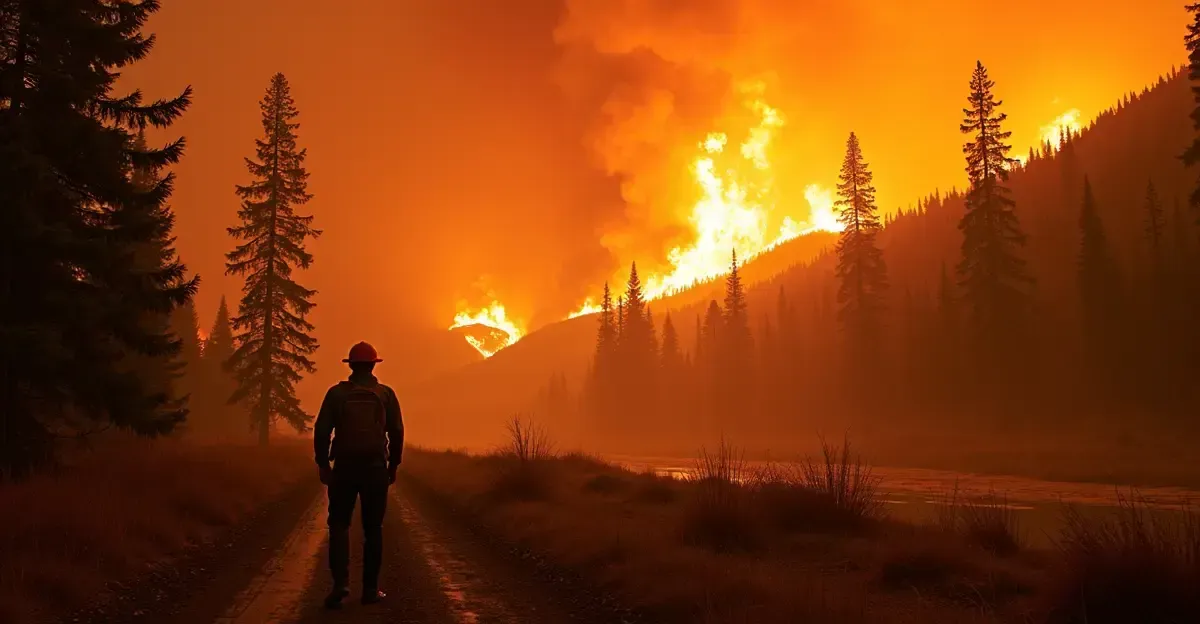
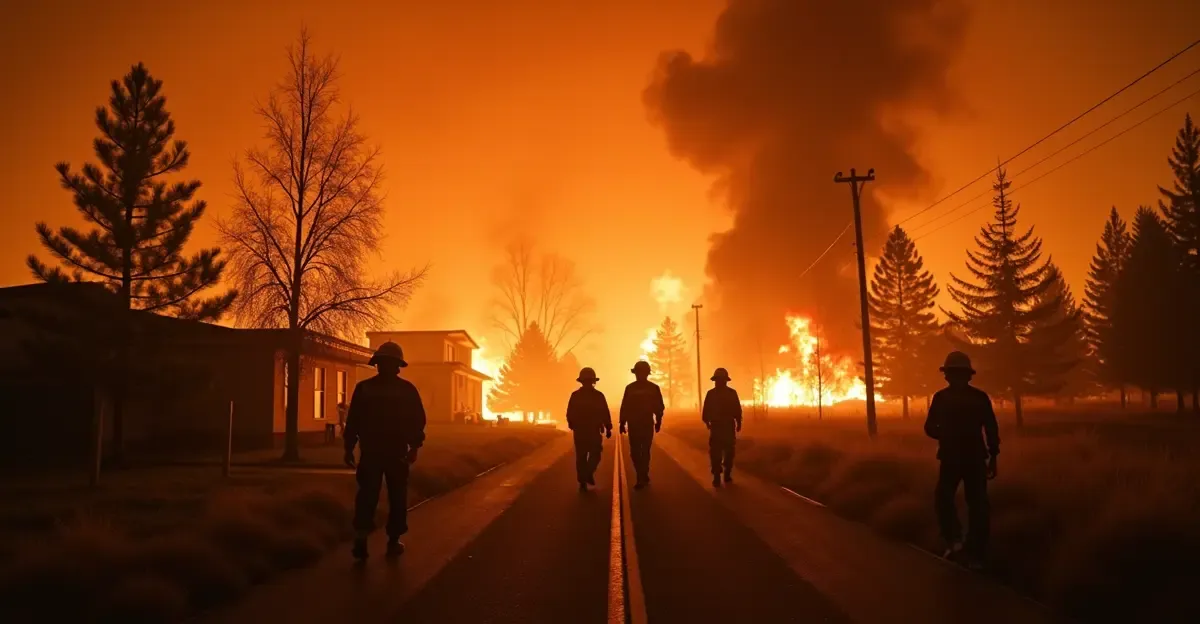
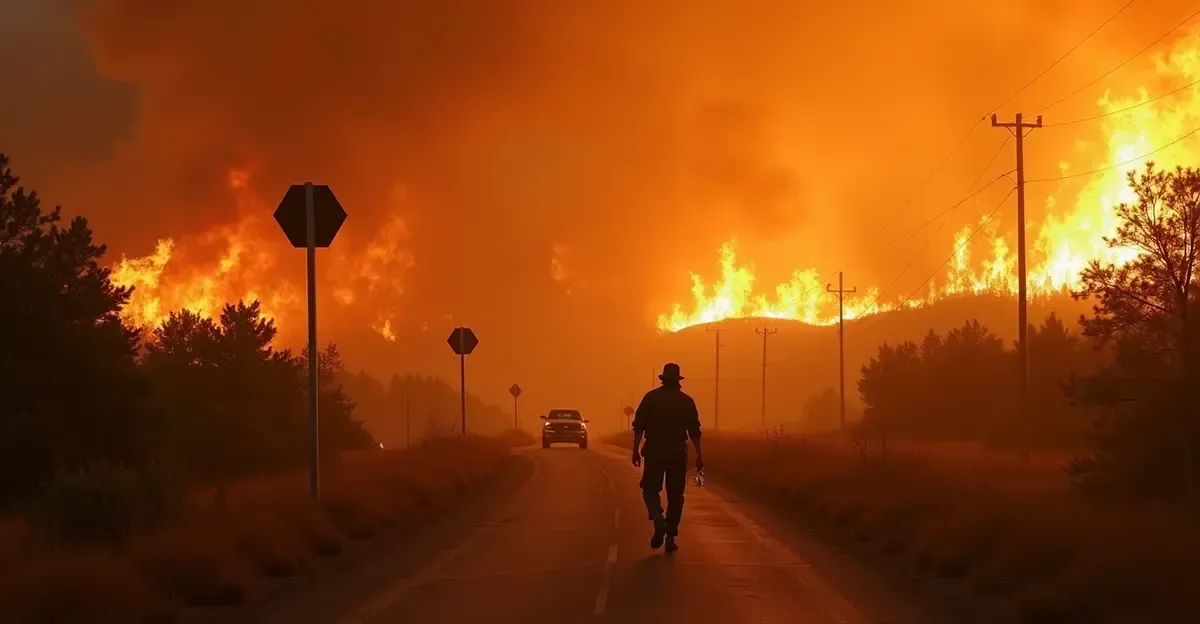
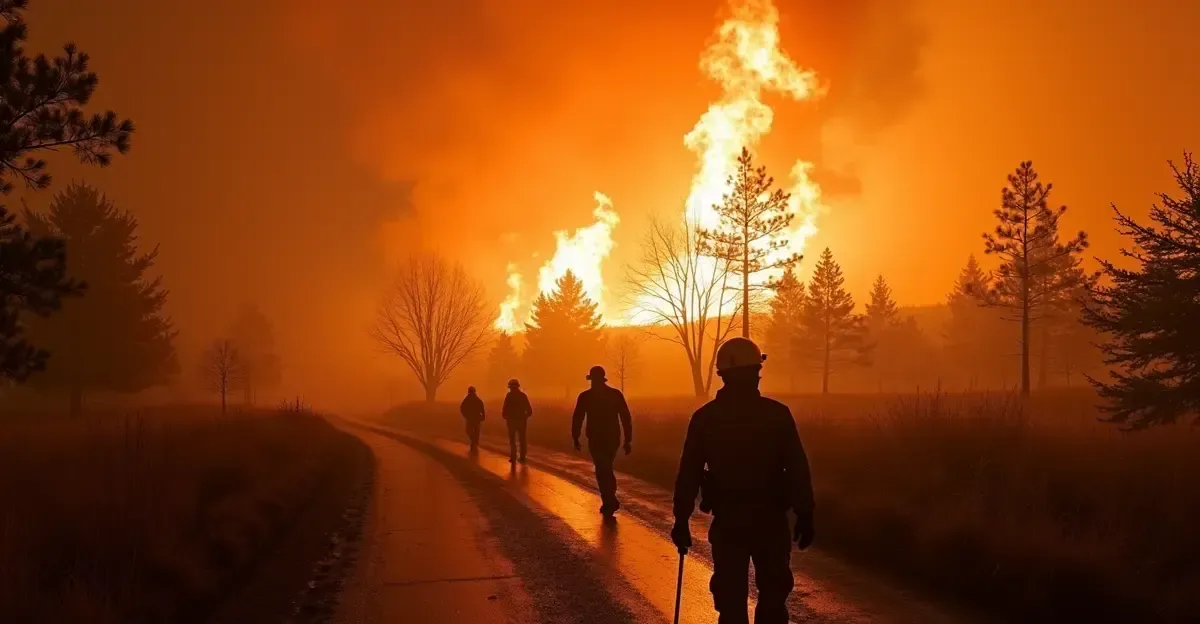
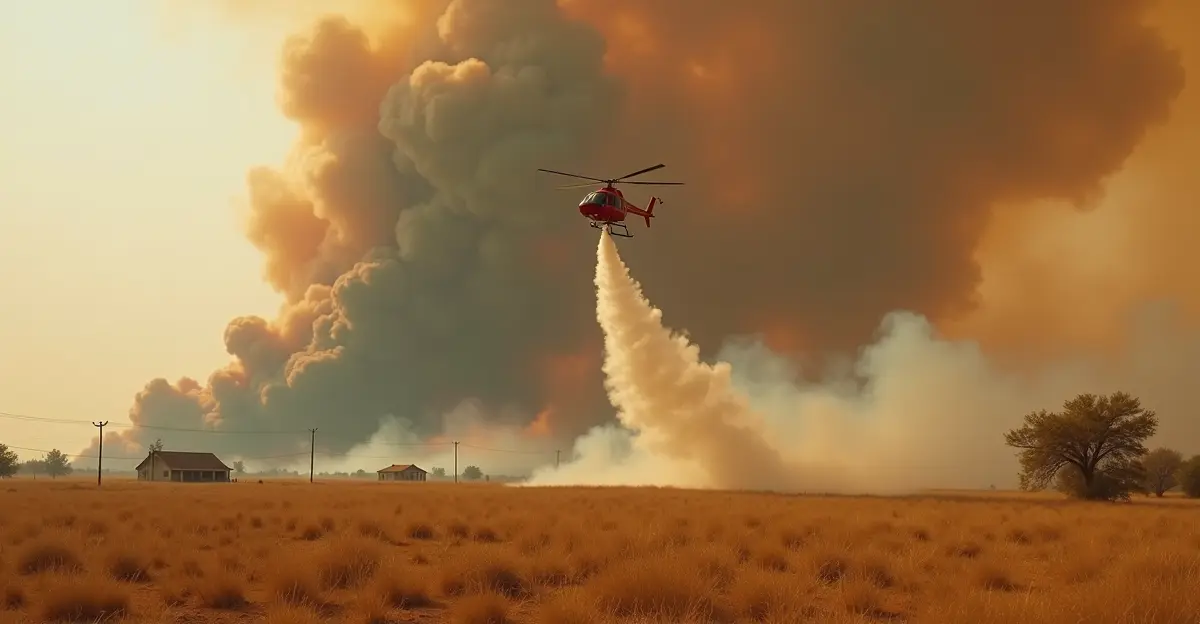
Arizona fire officials are bracing for an intense wildfire season in 2026, following a record warm winter and significantly below-average precipitation. According to a report by Victoria Gonzalez of Arizona Sonoran News, Phoenix hit 90°F in late February, well above normal, while northern Arizona saw temperatures 21°F higher than average. These conditions have dried out vegetation, creating a tinderbox across the state. The 2026 Arizona wildfire outlook has prompted urgent preparations from federal and state agencies.
Record Warm Winter Fuels Fire Risk
Snowfall in Flagstaff measured just 26.6 inches—far below the average of 65.5 inches—and the Tucson area received only 1.4 inches of rainfall. The lack of moisture has left forests and grasslands extremely dry. "We're seeing conditions that are typically not present until late spring or early summer," said a U.S. Forest Service official quoted in Gonzalez's article. "Fire season has become a year-round concern." The 2025 fire season already saw major blazes, including the 144,000-acre Dragon Bravo Fire near Flagstaff and the 119,987-acre Bighorn Fire in 2020.
Federal Cuts Complicate Preparedness
Compounding the natural risk, the U.S. Forest Service lost roughly 4,500 firefighting positions and 1,400 certified fire workers through resignations, terminations, and retirements under the Trump administration. Nearly half of Arizona is federal land, making state-led wildfire mitigation dependent on federal cooperation. In 2025, forest treatment efforts like tree thinning fell by two-thirds, and prescribed burns dropped over three-quarters compared to the prior year.
In December 2025, 161 Western U.S. government leaders signed a letter urging state attorneys general to investigate the legality of the federal cuts. Local officials, including Coconino County leaders, warn that reduced federal involvement creates a "perfect storm" for devastating wildfires. They call for renewed investment in forest health and fire preparedness as a life-or-death priority.
Prevention Efforts Underway
The U.S. Forest Service and Arizona Department of Transportation are removing dead brush along roads to reduce fire risk. Officials urge the public to never leave campfires unattended, keep vehicle chains up, and follow closures to prevent human-caused fires. "Human ignitions are the leading cause of wildfires in Arizona," Gonzalez noted in her reporting. "Simple precautions can save lives and property."
Meanwhile, the Tucson Unified School District four-day week pilot program at Palo Verde Magnet High School, also covered by Gonzalez, reflects how communities are adapting to changing conditions. The four-day schedule aims to reduce operational costs and improve attendance, though concerns remain about learning fatigue and childcare.
Economic Impact of the Gem Show
In a separate piece, Gonzalez highlighted the Tucson Gem and Mineral Show as a jewel of the local tourism industry. The 2025 show generated $286.3 million in direct spending, $27.9 million in sales tax revenue, and filled over 37% of hotel rooms. The 2026 winter show (January 27 – February 14) is expected to draw 6,000 vendors and nearly 94% hotel occupancy. "The gem show is vital for Tucson's economy, especially during the slow summer months," Gonzalez reported.
FAQ
What is causing the severe wildfire season in Arizona?
A record warm winter with low precipitation has dried out vegetation, creating prime fire conditions. Additionally, federal staffing cuts have reduced firefighting capacity.
How is Arizona preparing for the 2026 wildfires?
Agencies are removing roadside brush, urging public caution, and calling for renewed federal investment in forest health and firefighting resources.
What impact will federal cuts have on wildfire response?
With fewer firefighters and reduced forest treatment, the state faces slower initial attack and potentially larger, more destructive fires.
How does the Tucson Gem Show relate to wildfire concerns?
While not directly related, the gem show's economic importance highlights the broader community stakes in protecting Arizona from wildfires.
What can residents do to prevent wildfires?
Never leave campfires unattended, keep vehicle chains from dragging, and follow fire restrictions and closures.
Sources
This article draws on reporting by Victoria Gonzalez for Arizona Sonoran News, as well as data from the Arizona Daily Star and azcentral. For more on Arizona's wildfire outlook, see the Arizona wildfire season 2026 guide.
Follow Discussion