


 Deutsch
 English
 Español
 Français
 Nederlands
 Português


 Share
Share




What is Drought Emergency Funding?
Drought emergency funding represents critical federal and state financial resources deployed to address acute water shortages while building long-term resilience for agricultural communities. In 2025, the Biden-Harris administration has released substantial funding packages targeting both immediate relief and sustainable water management, with a particular focus on the Western United States drought crisis. These initiatives combine short-term water deliveries with comprehensive farmer assistance programs, representing a dual approach to one of America's most pressing environmental challenges.
Federal Drought Response Framework
The current drought emergency funding landscape is shaped by several key federal initiatives. The Department of the Interior recently announced $223 million in funding from President Biden's Investing in America agenda to bolster drought resilience and boost water supplies. This funding, sourced from the Bipartisan Infrastructure Law and annual appropriations, supports 18 water recycling and desalination projects across eight states through the Title XVI Water Reclamation and Reuse and Desalination Programs. These projects are expected to produce 305,936 acre-feet of annual recycled water.
Short-Term Water Delivery Solutions
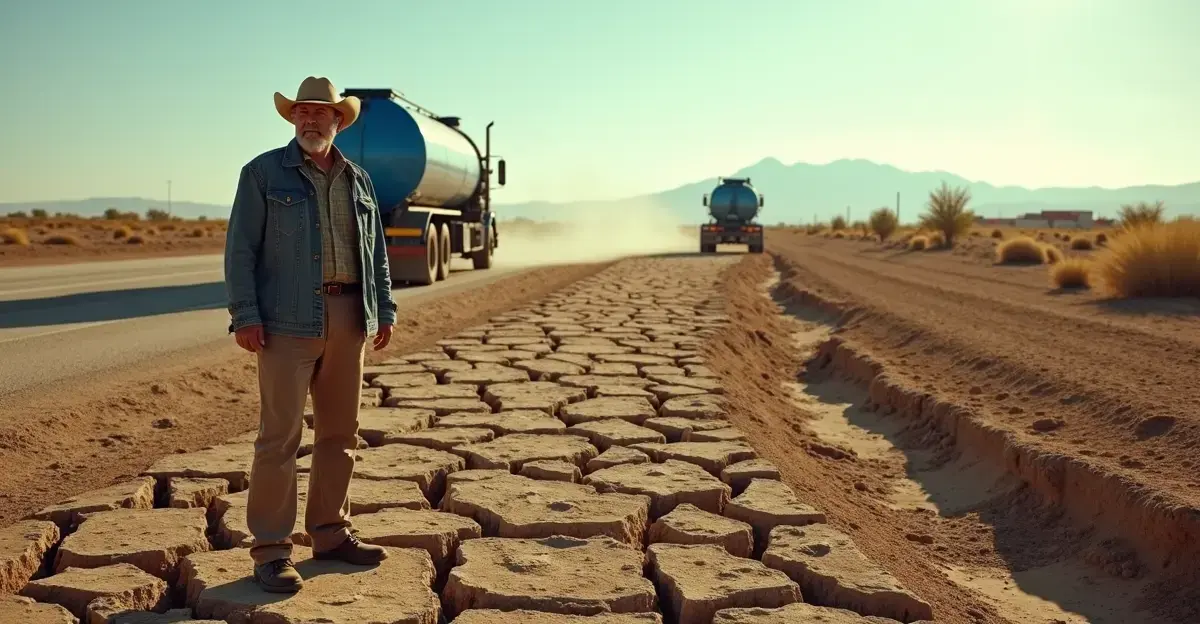
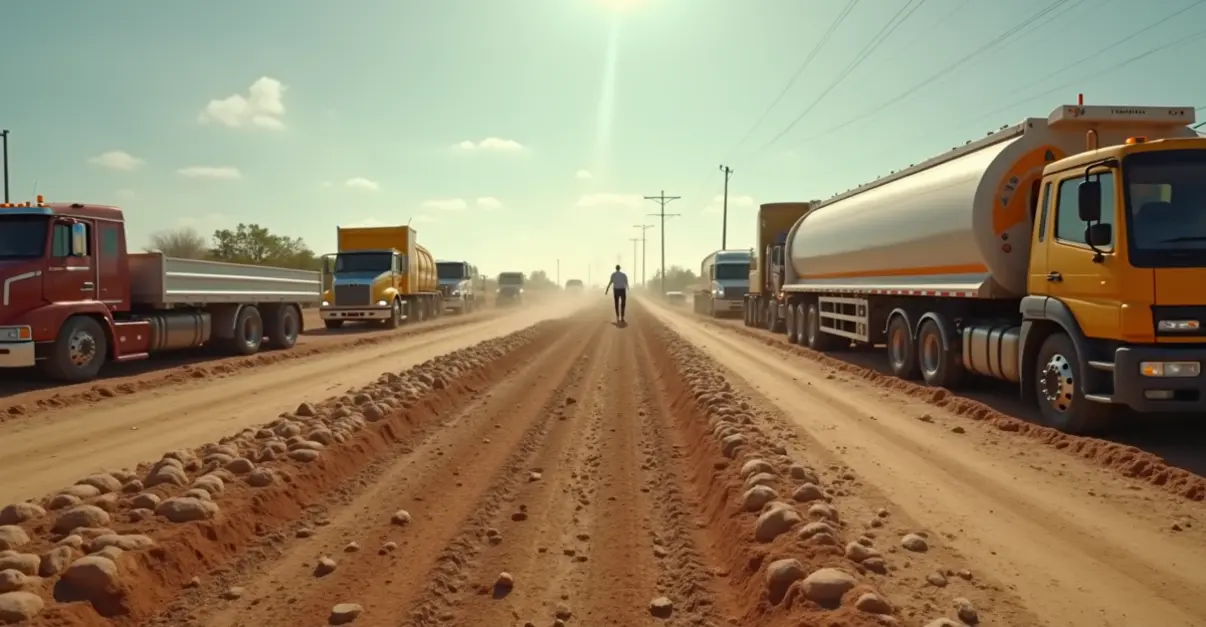
Immediate drought response focuses on ensuring water availability for critical agricultural operations. The USDA's Emergency Assistance for Livestock, Honeybees, and Farm-Raised Fish Program (ELAP) provides funding for feed losses and transportation costs, while the Livestock Forage Disaster Program (LFP) addresses grazing losses. For crop producers, the Tree Assistance Program (TAP) supports replanting trees and vines damaged by drought conditions. These programs operate alongside traditional crop insurance and the Noninsured Crop Disaster Assistance Program (NAP), creating a safety net for farmers facing water shortages.
Long-Term Resilience Building
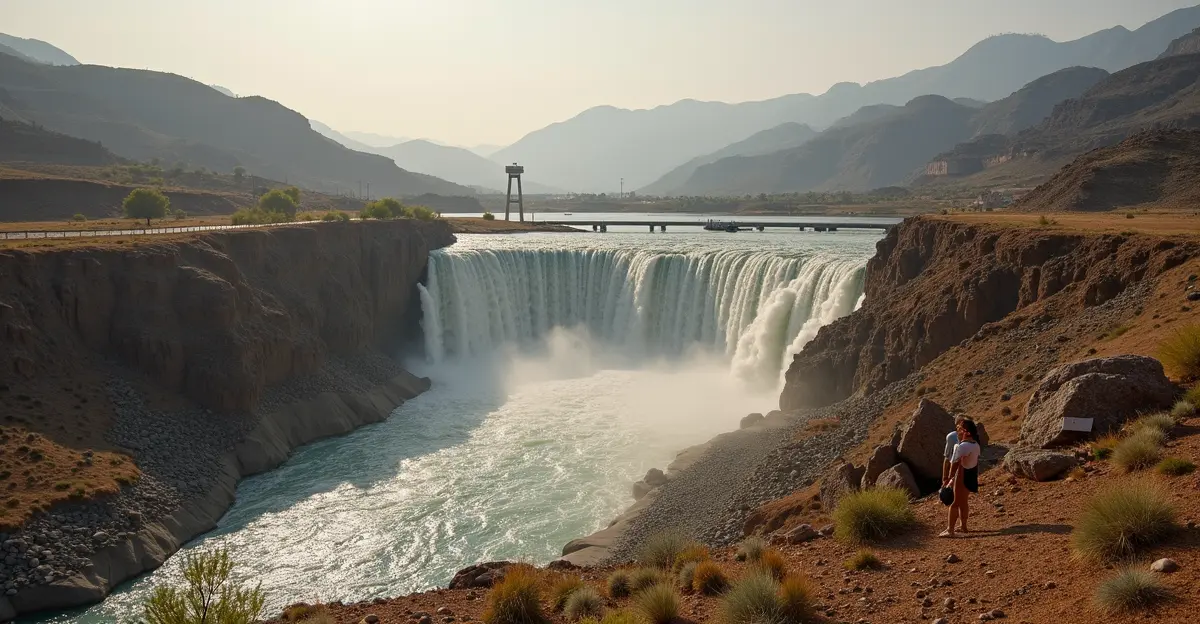
Beyond immediate relief, the 2025 funding packages emphasize sustainable water management. The Bureau of Reclamation's WaterSMART program supports drought planning and water efficiency projects, while the Environmental Quality Incentives Program (EQIP) funds conservation improvements. The Emergency Community Water Assistance Grants program provides up to $1,000,000 for constructing wells, reservoirs, treatment plants, and related infrastructure in rural communities serving populations of 10,000 or less. These initiatives represent the climate resilience investment approach that characterizes current federal drought policy.
Farmer Assistance Programs Explained
Agricultural producers have access to multiple assistance pathways during drought emergencies. Key programs include:
- Emergency Relief Program: Provides financial assistance to producers who suffered crop losses due to qualifying natural disasters
- Emergency Conservation Program: Helps farmers and ranchers repair damage to farmlands caused by natural disasters
- Disaster Assistance Discovery Tool: Online resource helping producers navigate available federal assistance programs
- Farm Loan Assistance Tool: Supports producers in accessing credit during challenging economic conditions
Producers must adhere to specific reporting timeframes: 15 days for NAP, 90 days for TAP, and 72 hours for crop insurance claims. The U.S. Drought Monitor determines eligibility for assistance programs and disaster designations, making accurate documentation essential for successful claims.
Interagency Coordination and Impact
The Drought Resilience Interagency Working Group (IWG), co-chaired by the Department of the Interior and USDA, coordinates federal efforts to improve drought-stricken communities' resilience. Established as part of the administration's climate change response, the IWG has facilitated $13 billion in water-related investments from the Bipartisan Infrastructure Law, with $12.4 billion allocated to Interior and $918 million to USDA. The group has achieved significant milestones, including coordinating drought relief efforts in critical areas like the Klamath Basin ($38 million investment) and establishing collaborative task forces with Western governors.
Regional Implementation Strategies
Different regions face unique drought challenges requiring tailored solutions. In the Colorado River Basin, funding supports water conservation and efficiency projects, while California focuses on groundwater recharge and water recycling initiatives. The agricultural water management approaches vary by crop type and local water availability, with specialty crop producers often requiring different assistance than row crop farmers. Regional implementation considers local water rights systems, existing infrastructure, and community water needs.
Expert Perspectives on Drought Funding
Agricultural economists emphasize the importance of both immediate relief and long-term planning. 'The current funding approach recognizes that drought isn't just a temporary crisis but a recurring challenge requiring sustained investment,' notes Dr. Maria Rodriguez, water policy analyst at the University of California. 'By combining emergency water deliveries with infrastructure improvements, we're addressing both symptoms and root causes.' Environmental advocates highlight the need for sustainable water management practices that consider ecosystem health alongside agricultural needs.
Frequently Asked Questions
What qualifies as a drought emergency for funding purposes?
The U.S. Drought Monitor designations determine eligibility, with D2 (Severe Drought) or higher typically triggering assistance programs. Specific programs may have additional criteria based on crop losses, water availability, or economic impact.
How quickly can farmers access emergency drought funding?
Processing times vary by program, but emergency relief programs typically process claims within 30-60 days of complete application submission. Immediate assistance programs for livestock feed and water transportation may provide faster relief.
What documentation is required for drought assistance claims?
Producers need proof of loss documentation, including yield records, planting reports, and evidence of drought conditions. The farm disaster reporting requirements emphasize timely submission and accurate record-keeping.
Can drought funding be used for irrigation system improvements?
Yes, programs like EQIP and WaterSMART specifically fund irrigation efficiency improvements, including drip irrigation systems, soil moisture sensors, and water delivery infrastructure upgrades.
How does drought funding address long-term climate resilience?
Approximately 60% of current drought funding targets long-term resilience through water recycling, conservation, infrastructure improvements, and sustainable agricultural practices that reduce water demand.
Future Outlook and Policy Directions
As climate change intensifies drought frequency and severity, emergency funding approaches are evolving toward greater integration of climate science, water management technology, and community-based planning. The continued implementation of the Bipartisan Infrastructure Law will release additional funds through 2026, with particular focus on Western water systems and agricultural sustainability. Future policy directions likely include increased emphasis on groundwater management, watershed-scale planning, and innovative water banking approaches that balance agricultural, environmental, and municipal water needs.

Follow Discussion