


 Deutsch
 English
 Español
 Français
 Nederlands
 Português


 Share
Share




Drought Emergency Triggers Regional Relief Funding: Water Deliveries, Crop Assistance & Infrastructure Fixes
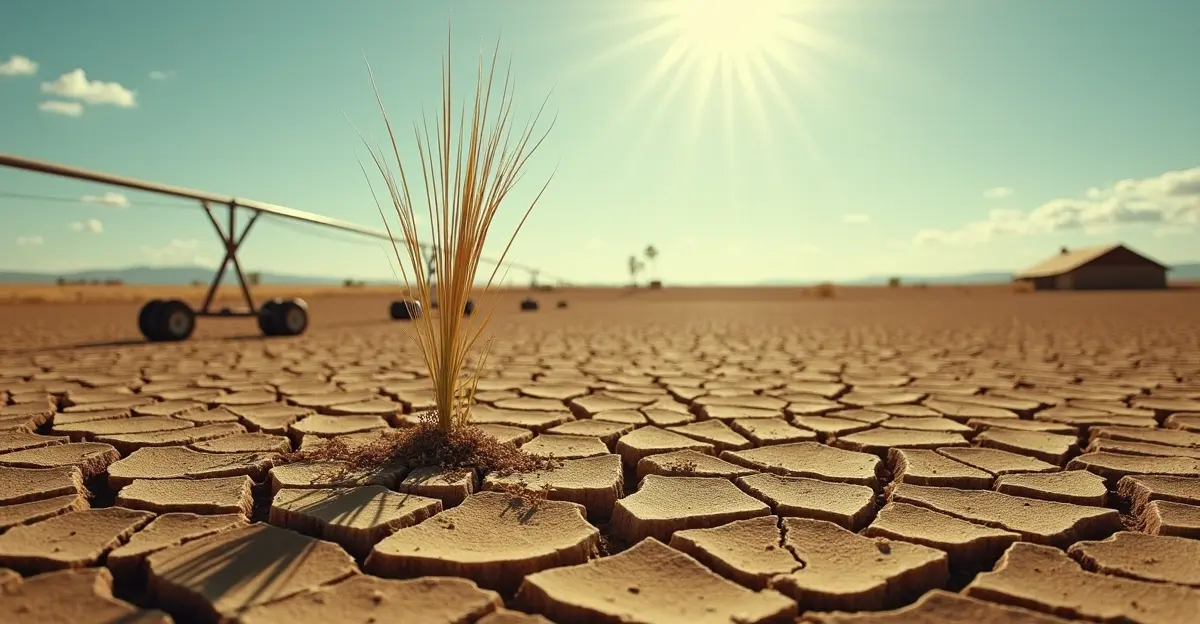
A major drought emergency declaration in early 2026 has activated comprehensive regional relief funding across multiple states, triggering immediate water deliveries, crop assistance programs, and critical infrastructure repairs. With reservoirs at historic lows and agricultural losses mounting, federal and state agencies have mobilized an estimated $2.3 billion in emergency funding to address what officials are calling "one of the most severe multi-regional drought events in recent decades." The coordinated response includes emergency water shipments to parched communities, financial assistance for struggling farmers, and accelerated infrastructure projects to bolster water resilience for the future.
What is a Drought Emergency Declaration?
A drought emergency declaration is an official governmental action that triggers access to special funding, resources, and regulatory flexibility to address severe water shortages. When a region experiences prolonged drought conditions that threaten water supplies, agriculture, and public health, state or federal authorities can declare an emergency. This declaration unlocks federal disaster assistance programs and enables coordinated response efforts across multiple agencies. The 2026 declaration affects seven states across the Western and Southwestern United States, where precipitation has been 40-60% below average for three consecutive years.
Emergency Water Delivery Systems Activated
With municipal water systems strained to their limits, emergency water deliveries have become a critical component of the drought response. The Federal Emergency Management Agency (FEMA) has coordinated with the U.S. Army Corps of Engineers to establish temporary water distribution networks, including:
- Mobile Water Treatment Units: 45 portable treatment systems deployed to hardest-hit communities
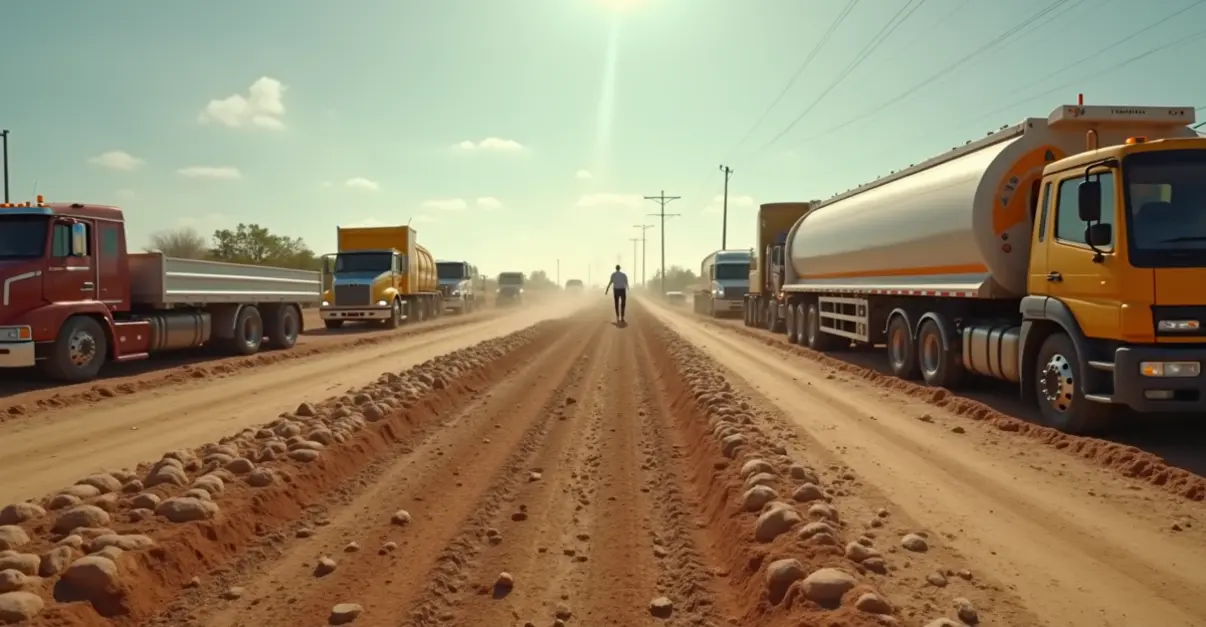
- Bulk Water Shipments: Over 120 million gallons transported weekly via tanker trucks and rail
- Emergency Well Drilling: 280 new emergency wells authorized for immediate construction
- Water Conservation Stations: 150 distribution points providing water-saving devices and education
According to drought response coordinator Maria Rodriguez, "We're seeing unprecedented demand for emergency water supplies. Our priority is ensuring every community has access to safe drinking water while we work on longer-term solutions." The water delivery program is expected to cost approximately $850 million through 2026, with funding allocated from both the FEMA disaster relief fund and state emergency budgets.
Crop Assistance Programs for Agricultural Recovery
USDA Disaster Assistance Activation
The U.S. Department of Agriculture has activated its full suite of disaster assistance programs in response to the drought emergency. Farmers and ranchers in declared disaster areas can now access:
| Program | Purpose | Funding Available | Application Deadline |
|---|---|---|---|
| Livestock Forage Disaster Program (LFP) | Compensation for grazing losses | $320 million | December 31, 2026 |
| Emergency Conservation Program (ECP) | Farmland repair and conservation | $180 million | Ongoing |
| Noninsured Disaster Assistance (NAP) | Crop losses for non-insured crops | $275 million | Varies by crop |
| Emergency Loan Program | Low-interest loans for recovery | $500 million | 8 months after declaration |
Agricultural economists estimate crop losses could exceed $4.2 billion across the affected regions, with specialty crops like almonds, grapes, and vegetables particularly vulnerable. The USDA Farm Service Agency has established 85 temporary field offices to process assistance applications, with over 12,000 applications received in the first two weeks of the emergency declaration.
Water Efficiency Incentives for Farmers
Beyond direct financial assistance, the relief package includes $310 million for water efficiency improvements on agricultural lands. These funds support:
- Conversion to drip irrigation systems (75% cost-share)
- Soil moisture monitoring technology installation
- Cover cropping programs to reduce evaporation
- Water banking and trading systems development
Infrastructure Repair and Resilience Timeline
The drought emergency has accelerated critical water infrastructure projects with a clear implementation timeline:
Immediate Repairs (0-3 Months)
Emergency crews are addressing the most urgent infrastructure needs, including leak detection and repair in municipal systems, pump station maintenance, and pipeline integrity assessments. An estimated $420 million has been allocated for these immediate fixes, with priority given to systems serving populations over 10,000.
Medium-Term Projects (3-12 Months)
Medium-term infrastructure improvements focus on enhancing system resilience. These include installation of advanced metering infrastructure, water recycling system upgrades, and reservoir dredging to increase capacity. The WaterSMART Drought Response Program is providing $290 million in grants for these projects, with applications due by June 30, 2026.
Long-Term Resilience (1-3 Years)
Long-term infrastructure investments aim to prevent future drought crises. Major projects include:
- Aquifer Storage and Recovery: $650 million for underground water banking
- Desalination Expansion: $380 million for coastal treatment facilities
- Pipeline Interconnections: $520 million for regional water sharing networks
- Digital Water Management: $150 million for smart grid implementation
Regional Impact and Economic Implications
The drought emergency affects approximately 28 million people across seven states, with economic impacts extending far beyond agriculture. Small businesses in tourism-dependent areas are particularly vulnerable, with the Small Business Administration offering Economic Injury Disaster Loans of up to $2 million at 4% interest. The overall economic impact is projected to reach $18-22 billion if drought conditions persist through 2026, according to analysis from regional economic development agencies.
Water restrictions have been implemented in 85% of affected municipalities, with varying levels of severity. The most stringent measures include outdoor watering bans, car washing restrictions, and reduced allocations for commercial users. These conservation efforts have already reduced water consumption by 23% in the first month of implementation.
Expert Perspectives on Drought Response
Dr. Elena Martinez, water policy expert at the Western Water Institute, emphasizes the importance of integrated approaches: "This drought emergency highlights the need for coordinated water management across political boundaries. We're seeing promising collaboration between states that traditionally competed for water resources."
Agricultural economist James Wilson notes the changing nature of drought response: "The 2026 relief package represents a shift from purely reactive measures to proactive resilience building. The infrastructure investments, particularly in water recycling and efficiency, will pay dividends for decades."
Frequently Asked Questions About Drought Relief
How do I apply for drought assistance as a farmer?
Farmers should contact their local USDA Farm Service Agency office or visit the FSA website to determine eligibility for programs like LFP, ECP, or emergency loans. Documentation of losses and production records will be required.
What water conservation measures are mandatory?
Restrictions vary by municipality but typically include limits on outdoor watering, car washing, and filling swimming pools. Check with your local water provider for specific requirements. Many areas offer rebates for replacing lawns with drought-tolerant landscaping.
How long will emergency water deliveries continue?
Emergency water deliveries will continue as long as local supplies remain below safe levels. Most projections estimate deliveries through at least September 2026, with gradual phase-out as infrastructure improvements come online.
Are there assistance programs for small businesses?
Yes, the Small Business Administration offers Economic Injury Disaster Loans for businesses affected by the drought. Applications can be submitted online through the SBA disaster assistance portal.
What infrastructure projects will have the biggest impact?
Pipeline interconnections between water systems and aquifer storage projects are expected to provide the most significant long-term benefits, creating regional water sharing networks and underground reservoirs for dry years.
Future Outlook and Climate Considerations
The 2026 drought emergency serves as a stark reminder of climate change's impact on water resources. While relief funding addresses immediate needs, long-term solutions require continued investment in water resilience. The Drought Assistance Improvement Act currently before Congress would provide additional tools for future drought response, including improved monitoring systems and streamlined assistance processes.
As communities navigate this challenging period, the coordinated response demonstrates the importance of preparedness and collaboration. The lessons learned from the 2026 drought emergency will shape water management policies for years to come, emphasizing the need for sustainable practices and resilient infrastructure in an increasingly uncertain climate.
Follow Discussion