


 Deutsch
 English
 Español
 Français
 Nederlands
 Português


 Share
Share




Former Prince Andrew, now legally known as Andrew Mountbatten-Windsor, has launched a legal challenge against Thames Valley Police over the search warrants that led to his arrest in February 2026. The Prince Andrew legal challenge asks the UK High Court to quash warrants used to search his Sandringham estate and the Royal Lodge in Windsor. A private hearing is scheduled for Thursday in London, marking the first time a modern British royal has contested the lawfulness of criminal proceedings against them since 1649.
What led to Prince Andrew's arrest?
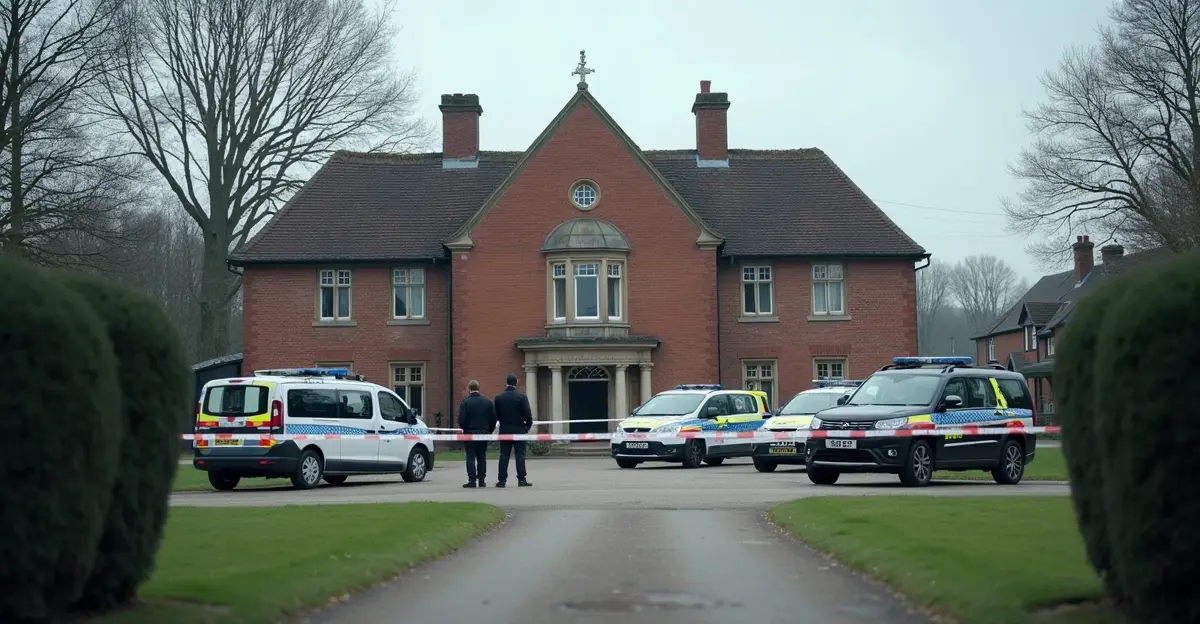
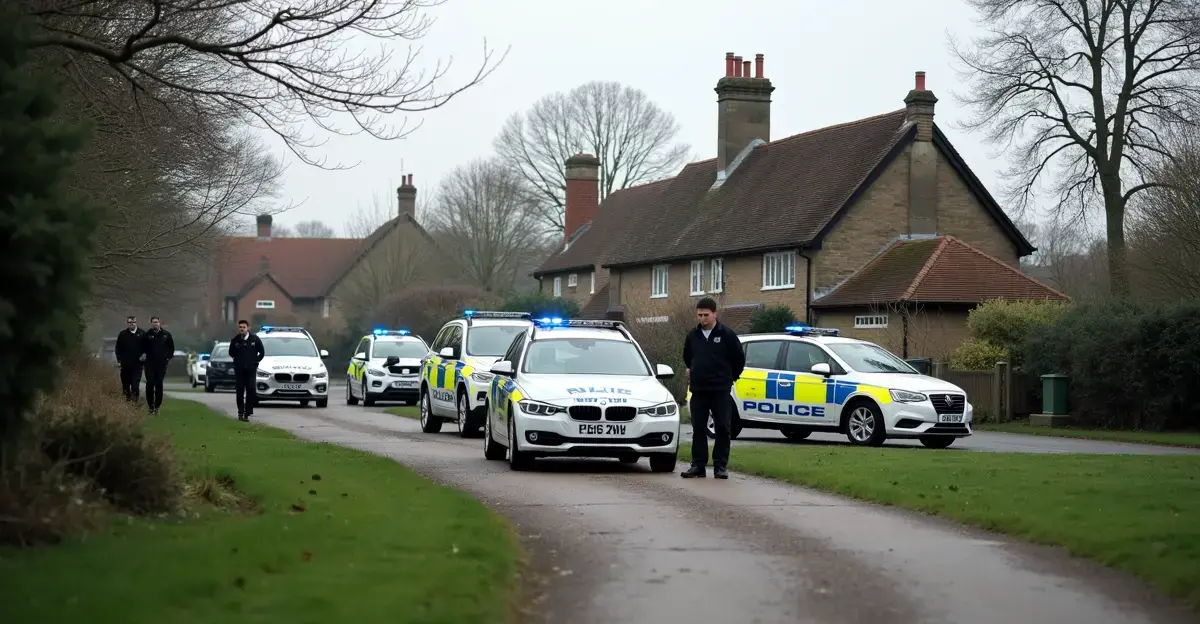
On 19 February 2026 — Andrew's 66th birthday — six unmarked police cars and roughly eight plainclothes officers arrived at his Sandringham estate. Thames Valley Police detained him on suspicion of misconduct in public office, an offence carrying a maximum life sentence if charged. He was later released under investigation.
The arrest followed the release of the Jeffrey Epstein trafficking case files, which allegedly showed that Andrew shared confidential government information with Epstein during his years as the UK's Special Representative for International Trade and Investment. Epstein was a convicted American sex offender and suspected human trafficker. Andrew has consistently denied any wrongdoing.
Timeline of key events
- 2001–2011: Andrew serves as the UK's Special Representative for International Trade and Investment.
- 2022: Andrew settles a US civil lawsuit with Virginia Giuffre without admitting liability.
- 2025: King Charles III removes Andrew's remaining royal styles and honours.
- January 2026: Anti-royal group Republic calls for an investigation after the Epstein files release.
- 18 February 2026: A judge at London's Central Criminal Court issues search warrants.
- 19 February 2026: Andrew is arrested and later released under investigation.
- October 2026: Andrew files a judicial review challenging the warrants.
Why is Prince Andrew challenging the search warrants?
Andrew's legal team argues that the search warrants should be quashed through judicial review process. His lawyers are challenging the decision by Thames Valley Police and its chief constable to obtain warrants from London's Central Criminal Court. If successful, the challenge could deprive prosecutors of evidence gathered during the searches.
A police spokesperson confirmed ongoing legal proceedings but declined to comment further, saying the misconduct investigation continues.
| Police position | Andrew's argument |
|---|---|
| Warrants were lawfully issued by a Central Criminal Court judge | The warrants should be quashed because their legality is disputed |
| Investigation continues; searches followed proper procedure | A judicial review is needed to test whether the searches were lawful |
What are the implications for the royal family?
King Charles III said "the law must take its course," while Prime Minister Keir Starmer stressed "nobody is above the law." Virginia Giuffre's family welcomed the arrest, saying "no one is above the law, not even royalty." The case has renewed scrutiny of the British royal family crisis and the monarchy's handling of Andrew's ties to Epstein.
Last year, Andrew renounced his royal titles under pressure from King Charles and Crown Prince William. In October 2025, Buckingham Palace confirmed he would also lose his princely title.
FAQ: Prince Andrew legal challenge
What is Prince Andrew accused of?
He is suspected of misconduct in public office for allegedly sharing sensitive government information with Jeffrey Epstein while serving as a trade envoy.
Why is Andrew challenging the police?
He is seeking a judicial review to quash the search warrants, arguing they were unlawfully obtained. A successful challenge could exclude evidence from any future prosecution.
When is the hearing?
A private High Court hearing is scheduled for Thursday in London.
Has Prince Andrew been charged?
No. He was arrested and released under investigation. Thames Valley Police has not brought charges.
Follow Discussion