


 Deutsch
 English
 Español
 Français
 Nederlands
 Português


 Share
Share




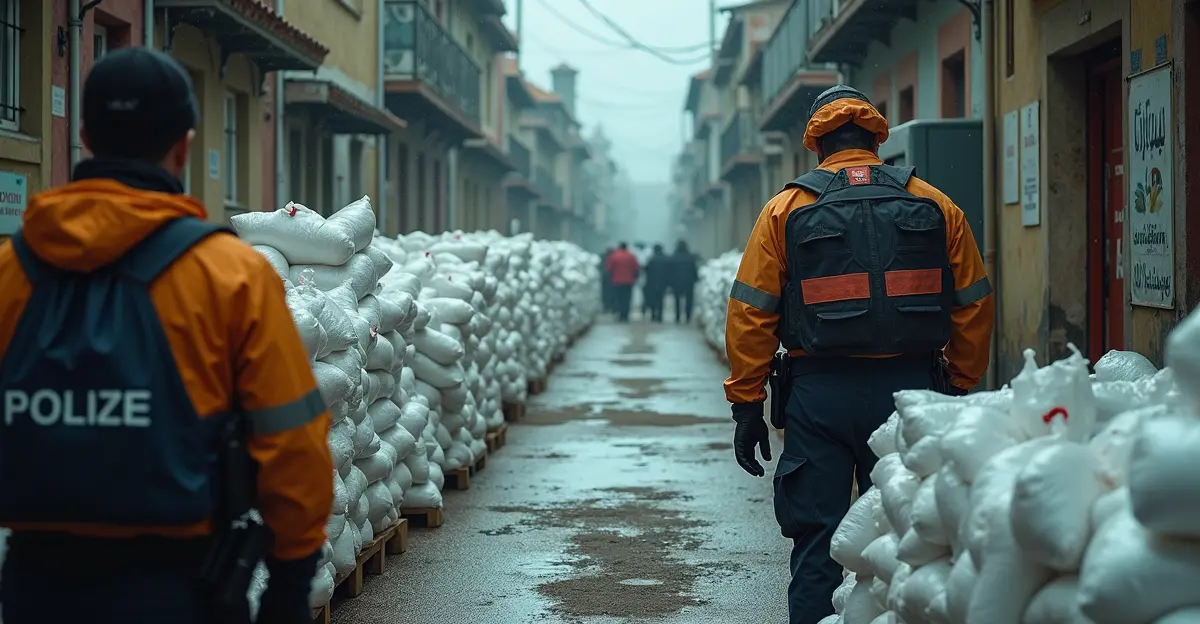
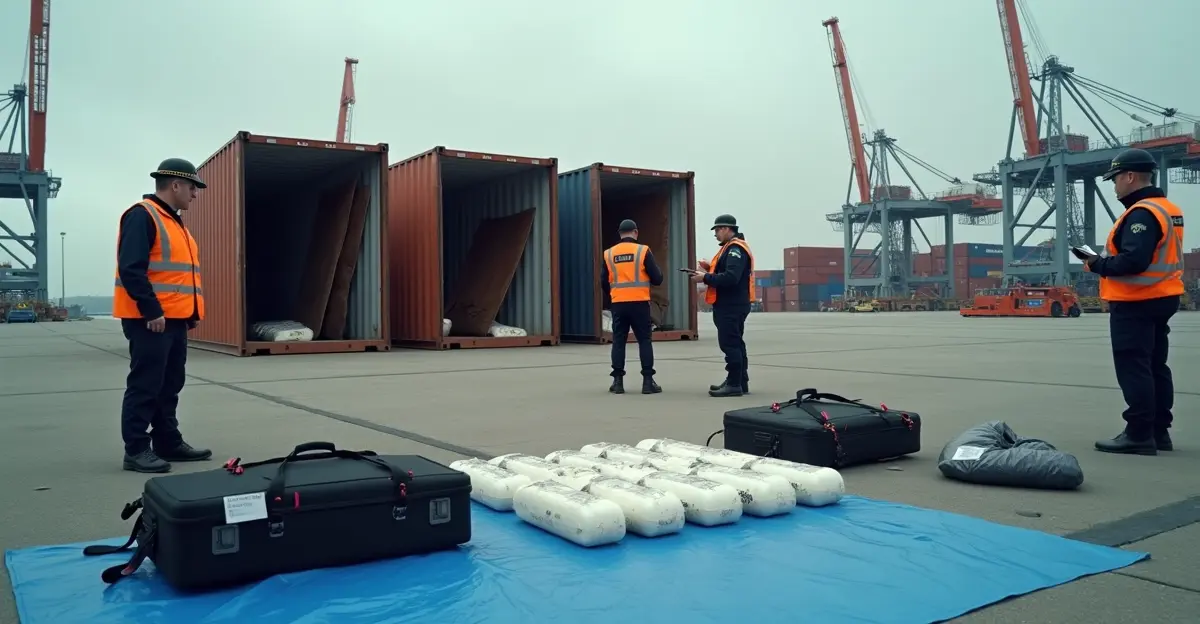
Belgian authorities have seized 450 boxes of liquid cocaine hidden inside soap bottles at the port of Antwerp, the Belgian Public Prosecutor's Office confirmed on 20 September 2026. The drugs were found on 24 August after a tip-off about a suspicious container that arrived from Colombia and was destined for Croatia. Customs officers noticed a "very strong chemical odour" while checking the soap bottles, and initial tests showed the liquid was nearly indistinguishable from real liquid soap.
What is liquid cocaine and why hide it in soap bottles?
Liquid cocaine is made by dissolving cocaine hydrochloride in water or another liquid, allowing traffickers to smuggle the drug past sniffer dogs and routine scans. Once the shipment reaches its destination, the liquid can be processed back into powder for street sale. In this case, the liquid cocaine concealment methods involved bottles that looked identical to ordinary soap products, but prosecutors said the substance crystallises at lower temperatures, which helped officers identify it.
How the Antwerp soap bottle cocaine seizure unfolded
According to the Belgian Public Prosecutor's Office, police and customs discovered the load on 24 August at Quay 730 in the port of Antwerp after receiving a tip about a suspicious container. The sea container came from Colombia and was on its way to Croatia, with onward road transport planned. Officers found 450 cases containing 12-kilogram soap bottles, but the container numbers appeared to have been falsified.
"At lower temperatures, crystallization occurs," the Public Prosecutor's Office said, explaining how the concealed cocaine was confirmed. The final quantity of the seized cocaine has not yet been established, and an investigation is underway.
Antwerp port cocaine seizures: context and trends
The Port of Antwerp remains one of Europe's main entry points for cocaine from South America. In the first half of 2026, Belgian customs seized 5.4 tonnes of cocaine at Antwerp, down from 16.7 tonnes in the same period of 2025, according to VRT. The number of seizure cases fell from 82 to 28, but authorities caution that smugglers continue to split shipments and use new techniques such as the Antwerp port drug smuggling rip-off method. Colombia, Ecuador, Panama and Costa Rica are among the main source countries.
Impact and implications of the soap bottle seizure
This seizure highlights how traffickers are increasingly turning to chemical concealment to evade detection at major European ports. While the total weight of the liquid cocaine remains unknown, the use of everyday soap packaging shows the challenge facing customs agencies. The discovery may also prompt closer scrutiny of shipments from Colombia to Croatia and strengthen cooperation between Belgian, Dutch and other European customs authorities. The broader trend in cocaine seizures in European ports suggests that even as overall seizures fall, smuggling methods are becoming more sophisticated.
FAQ: Liquid cocaine soap bottle seizure in Antwerp
What did Belgian customs find in Antwerp?
Belgian customs found 450 boxes of liquid cocaine hidden inside soap bottles in a shipping container that arrived from Colombia and was bound for Croatia.
When was the liquid cocaine discovered?
The shipment was discovered on 24 August 2026, but Belgian authorities only announced the seizure on 20 September 2026.
How did officers detect the liquid cocaine in soap bottles?
Officers noticed a very strong chemical odour while inspecting the bottles. The liquid cocaine crystallises at lower temperatures, which helped confirm the substance.
How much cocaine was seized in Antwerp?
The exact total quantity has not yet been determined. Authorities are still analysing the 450 boxes of 12-kilogram soap bottles.
Why is Antwerp a major cocaine smuggling route?
Antwerp is one of Europe's largest ports and a key entry point for cocaine shipped from South America, especially Colombia, Ecuador and Panama.
Follow Discussion