


 Deutsch
 English
 Español
 Français
 Nederlands
 Português


 Share
Share




Mexican Forces Capture Audias Flores Silva, 'El Jardinero,' in Major Blow to Jalisco Cartel
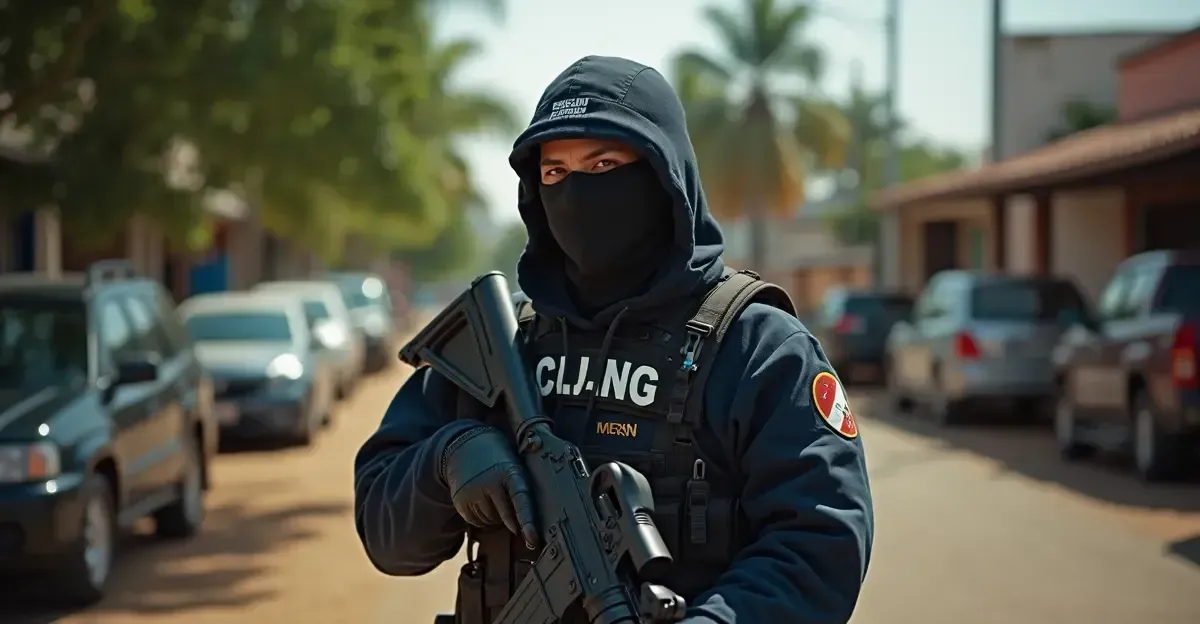
Mexican special forces have arrested Audias Flores Silva, alias "El Jardinero" (The Gardener), one of the highest-ranking leaders of the Jalisco New Generation Cartel (CJNG), in a military operation in the western state of Nayarit. The arrest, announced on April 27, 2026, comes just two months after the killing of CJNG founder Nemesio "El Mencho" Oseguera Cervantes, and represents a critical moment in Mexico's ongoing battle against drug cartels. Flores Silva, who had a $5 million U.S. bounty on his head, was found hiding in a roadside ditch near the town of El Mirador, about 20 kilometers from the popular tourist destination Puerto Vallarta.
Operation Details: No Shots Fired
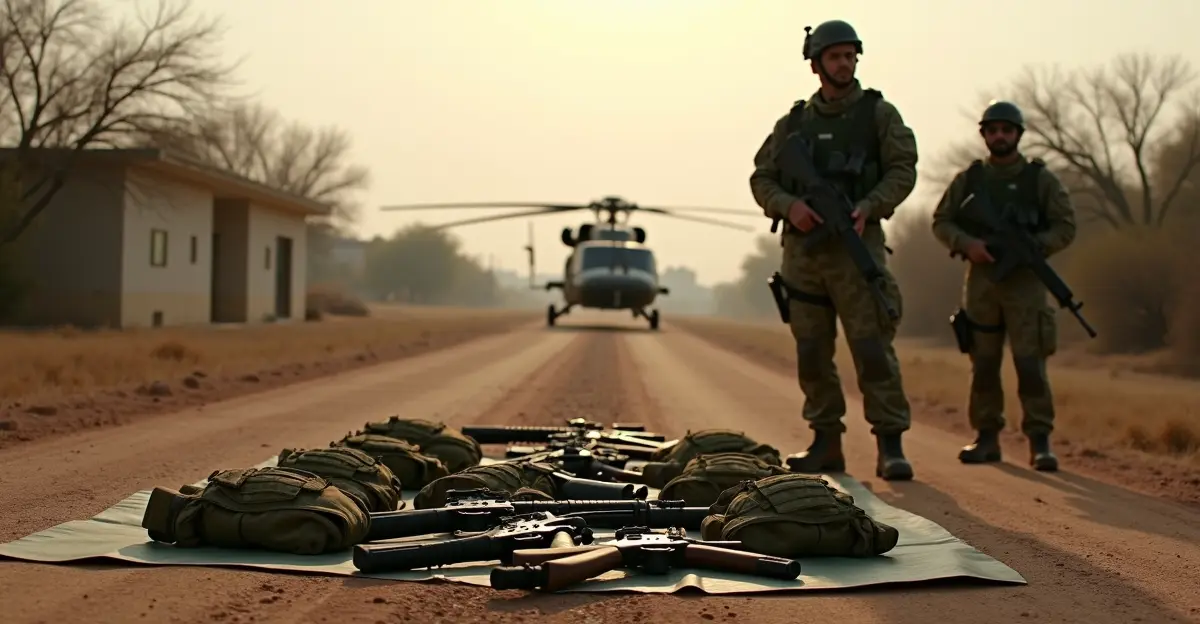
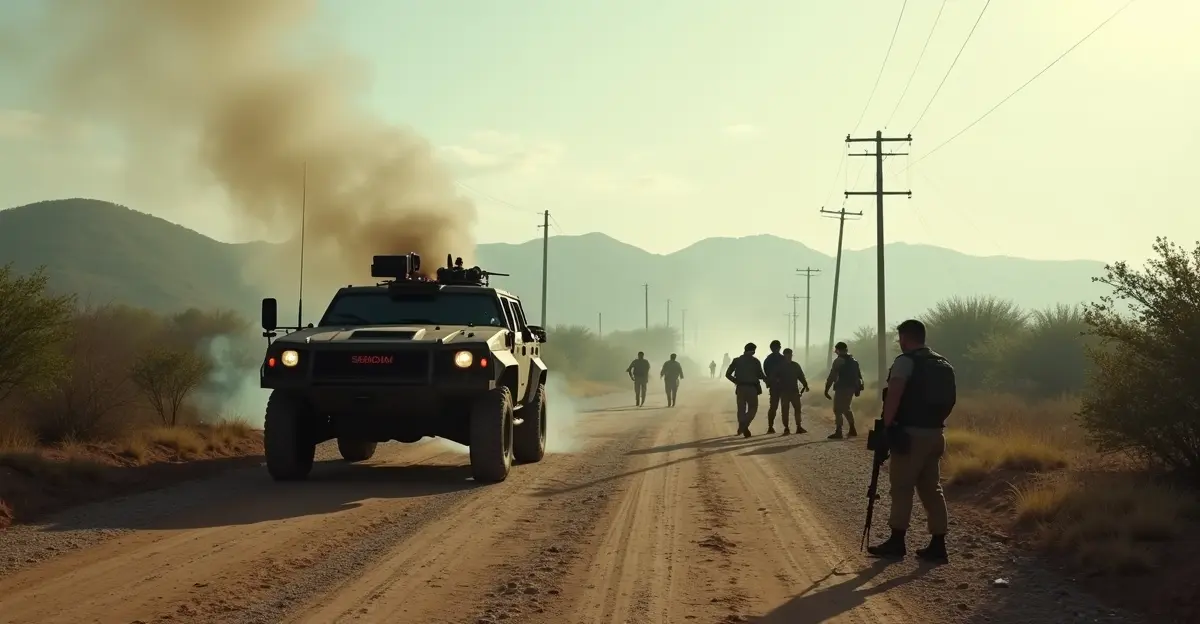
The operation, carried out by the Mexican Navy (SEMAR) special forces with support from U.S. aerial surveillance, involved hundreds of troops, six helicopters, and four aircraft. Despite being guarded by approximately 60 armed men, Flores Silva was captured without a single shot being fired. According to Mexican security sources, his bodyguards dispersed in an attempt to divert attention, but drone surveillance kept the focus on the cartel leader, who was eventually pulled from a drainage ditch and taken into custody. On the same day, authorities also arrested César Alejandro "El Güero Conta," identified as Flores Silva's financial operator, in Zapopan, Jalisco.
Who Is 'El Jardinero'?
Audias Flores Silva was a regional commander for the CJNG, controlling drug trafficking operations along much of Mexico's Pacific coast, including the states of Nayarit, Jalisco, Michoacán, Guerrero, and Zacatecas. He oversaw clandestine methamphetamine laboratories, airstrips, and trafficking routes for cocaine and heroin bound for the United States. Flores Silva also served as head of security for El Mencho, making him a key figure in the cartel's military and logistical operations. The U.S. Treasury Department had previously designated him as a major CJNG operator, and a federal indictment in Washington D.C. since 2020 charged him with drug trafficking and firearms offenses. The U.S. had sought his extradition since 2021.
Following the death of El Mencho in February 2026, Flores Silva was widely seen as a potential successor to lead the CJNG. His arrest removes a major contender in the cartel's internal power struggle, which analysts say may now favor El Mencho's stepson, who has been consolidating control. Security analyst David Saucedo commented: 'It seems that El Mencho's stepson is the biggest winner, because there is one less leader who can challenge him.'
Violent Aftermath and Security Concerns
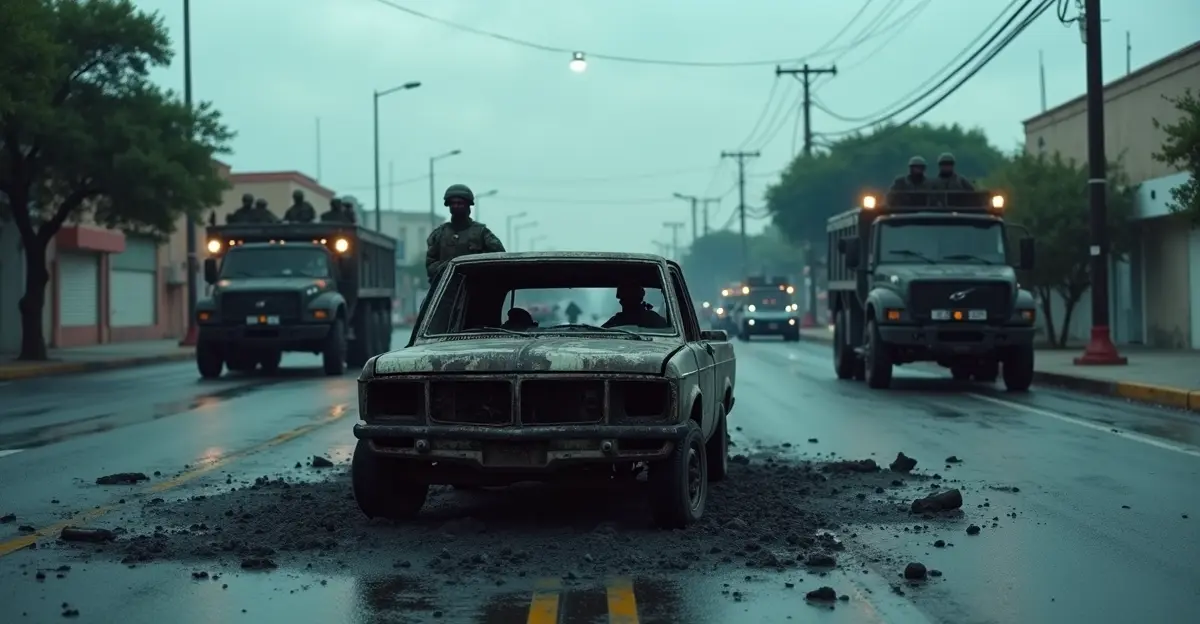
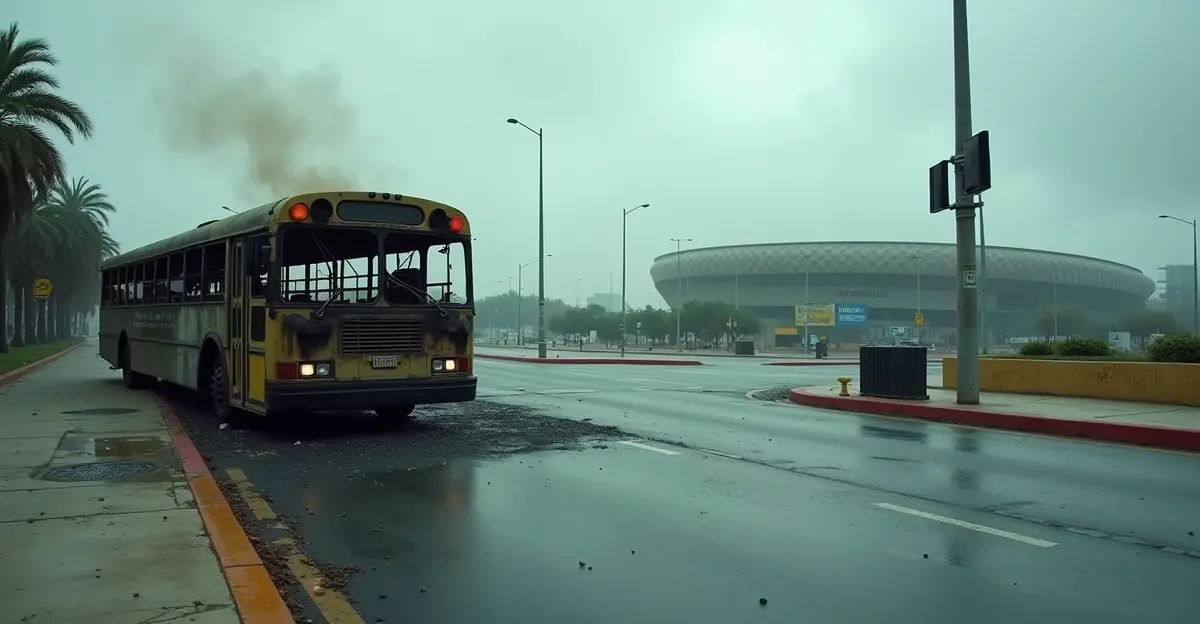
The arrest triggered immediate reprisals from CJNG cells. In at least three cities in Nayarit, cartel members set up roadblocks using burning vehicles and targeted convenience stores, prompting authorities to urge residents to stay indoors. This mirrors the wave of violence that followed El Mencho's death in February, when coordinated attacks across 20 Mexican states left at least 25 National Guard members dead and dozens of vehicles and buildings torched.
The timing of the operation is particularly sensitive, as Mexico is set to co-host the 2026 FIFA World Cup alongside the United States and Canada, with matches scheduled in Guadalajara, Mexico City, and Monterrey. Security analyst Saucedo expressed surprise at the operation: 'We all thought there would be no more operations against the CJNG after El Mencho's death, with the World Cup approaching. This shows great confidence from the government, which apparently believes it can prevent a retaliatory strike from the CJNG during the World Cup. Let's hope they are right.'
The 2026 FIFA World Cup security concerns in Mexico have been a growing topic, as cartel violence raises questions about safety for international visitors. Mexican President Claudia Sheinbaum has assured that there are no safety risks for the tournament, and FIFA has expressed confidence in Mexican authorities.
The Kingpin Strategy Debate
The arrest of Flores Silva is the latest example of Mexico's controversial kingpin strategy — the targeting of high-level cartel leaders. While celebrated as tactical victories, such operations have historically led to fragmentation, infighting, and increased violence. The CJNG itself emerged from the collapse of the Milenio Cartel after its leaders were captured or killed. Similar patterns were seen with Los Zetas, the Beltrán Leyva Cartel, and La Familia Michoacana.
Analyst Saucedo remains skeptical about the long-term impact: 'In Mexico, since the start of the war on drugs in 2006, more than a hundred kingpins have been arrested. It has not stopped the production, transport, or sale of illegal drugs. On the contrary, drug trafficking has only increased in recent years.' The kingpin strategy in Mexico continues to be debated among experts, who argue that decapitation strikes must be paired with institutional reform, anti-corruption measures, and socio-economic investment to address the root causes of cartel power.
The United States has designated the CJNG as a Foreign Terrorist Organization, and the arrest of Flores Silva was praised by U.S. Ambassador to Mexico Ronald Johnson as an important step in combating fentanyl trafficking. However, experts warn that the CJNG's diversified revenue streams and deep territorial control mean the organization is likely to survive the loss of its leaders.
FAQ
Who is 'El Jardinero'?
Audias Flores Silva, alias 'El Jardinero' (The Gardener), was a top leader of the Jalisco New Generation Cartel (CJNG), responsible for drug trafficking operations along Mexico's Pacific coast. He was a potential successor to cartel founder El Mencho.
How was El Jardinero captured?
He was arrested on April 27, 2026, by Mexican Navy special forces in Nayarit, near Puerto Vallarta. The operation involved hundreds of troops and U.S. aerial surveillance. He was found hiding in a ditch, and no shots were fired.
What is the CJNG?
The Jalisco New Generation Cartel (CJNG) is one of Mexico's most powerful and violent drug cartels, based in Jalisco. It is known for extreme violence, paramilitary tactics, and trafficking cocaine, methamphetamine, and fentanyl.
Why was there a $5 million reward for El Jardinero?
The U.S. government offered a $5 million reward for information leading to his capture due to his role in large-scale drug trafficking and his indictment on federal drug and firearms charges.
Will this arrest affect the 2026 World Cup in Mexico?
Mexican authorities have expressed confidence that security will be maintained during the World Cup. However, analysts warn that cartel reprisals could pose risks, and the situation is being closely monitored by FIFA and international security agencies.

Follow Discussion