


 Deutsch
 English
 Español
 Français
 Nederlands
 Português


 Share
Share




German ICE Train Attack: Airsoft Grenade Panic Explained
A 20-year-old German man has been arrested after allegedly detonating what appears to be an airsoft grenade on a high-speed ICE train traveling from Aachen to Frankfurt, causing panic and injuring at least twelve people in what authorities are treating as a potential terrorist incident. The dramatic events unfolded on April 2, 2026, when the suspect reportedly shouted about carrying out an attack before exploding the device in a train compartment, leading to a major security operation at Siegburg station near Cologne.
What Happened During the ICE Train Incident?
The incident occurred around 8:30 PM local time on an InterCity Express (ICE) train operating on one of Germany's busiest high-speed rail routes. According to police reports, the 20-year-old suspect from Aachen detonated what investigators believe was an airsoft grenade - a replica device used in military simulation games that fires plastic pellets rather than explosive shrapnel. Despite the non-lethal nature of the device, the explosion caused significant panic among approximately 180 passengers aboard the train.
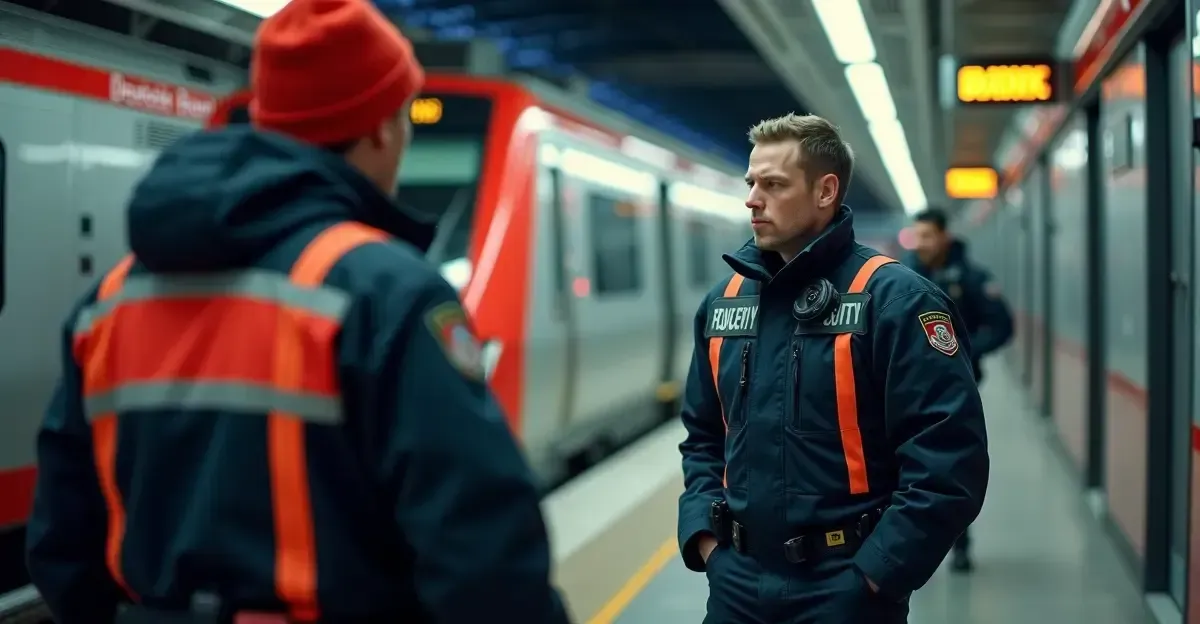
Fellow passengers managed to subdue the suspect and lock him in a train toilet before the train made an emergency stop at Siegburg station, located about 30 kilometers east of Cologne. 'The quick action of passengers prevented a potentially more dangerous situation,' a police spokesperson later confirmed. Heavily armed police officers then boarded the train and arrested the suspect, who was found to be carrying a mask, two knives, and two smoke bombs.
Understanding Airsoft Grenades vs. Real Explosives
Airsoft grenades are replica devices used in military simulation sports that closely resemble real military equipment. Unlike actual hand grenades that contain explosive materials and metal shrapnel, airsoft grenades typically use compressed gas or small pyrotechnic charges to disperse plastic pellets. While they can cause minor injuries and significant psychological trauma, they lack the lethal capability of genuine explosives.
| Feature | Airsoft Grenade | Real Hand Grenade |
|---|---|---|
| Explosive Material | Compressed gas/small pyrotechnic | High explosive (TNT, RDX) |
| Projectiles | Plastic pellets (6mm) | Metal shrapnel fragments |
| Lethal Range | Non-lethal (painful impacts) | 15-20 meters (fatal) |
| Legal Status in Germany | Regulated under Weapons Act | Illegal for civilians |
| Typical Injuries | Superficial skin wounds, bruising | Severe trauma, amputations, death |
Germany's Heightened Security Context
The incident comes at a time when German security services have warned of increased terrorist threats linked to the ongoing conflict between Iran and Israel. German Interior Ministry officials recently declared the threat level from Iran-linked activities as 'very high,' reflecting growing concerns about European security threats in 2026. This attack follows several other recent security incidents, including the Bank of America bombing attempt in Paris that authorities have linked to the same geopolitical tensions.
Germany's Federal Criminal Police Office (BKA) has been on heightened alert since early 2026, with security experts noting that transportation hubs like train stations have become prime targets for potential attacks. 'Public transportation systems represent soft targets that can generate maximum psychological impact,' explained security analyst Dr. Klaus Weber in a recent interview.
Immediate Impact on Rail Services
The security operation caused significant disruption to Germany's high-speed rail network. ICE services between Cologne and Frankfurt were suspended for several hours as police conducted a meticulous search of the train. Passengers were evacuated to safety, and the train remained at Siegburg station until the early morning hours of April 3. Deutsche Bahn, Germany's national railway operator, confirmed the disruption and advised passengers to check for updates before traveling on affected routes.
Legal and Investigative Developments
German authorities are investigating multiple potential charges against the suspect, including attempted murder, aggravated assault, and violations of explosives laws. A key question investigators must resolve is whether the suspect knew the grenade was a replica or believed it to be a genuine explosive device. Under German law, airsoft devices are strictly regulated by the Weapons Act, with specific requirements for marking, storage, and use in designated areas only.
The 2025 revision to Germany's Weapons Act introduced stricter controls on airsoft equipment, including mandatory serial number engraving and reduced energy limits for replica firearms. Violations can result in fines up to €5,000, confiscation of equipment, or criminal prosecution. The suspect's possession of additional weapons (knives and smoke bombs) suggests premeditation, according to legal experts familiar with the case.
Broader Implications for European Security
This incident highlights ongoing vulnerabilities in Europe's transportation infrastructure and raises questions about security protocols for high-speed rail systems. While Germany's ICE trains are equipped with emergency communication systems and regular security patrols, the rapid nature of this attack demonstrates how quickly panic can spread in confined spaces. Security experts are calling for enhanced public transportation security measures across Europe, particularly as geopolitical tensions continue to influence domestic security threats.
The timing of this attack is particularly significant given recent security agreements between Germany and Israel to boost counterterrorism cooperation. In January 2026, the two countries signed a security pact focusing on cybersecurity and counterterrorism, specifically citing threats from Iran and its proxies. This incident may accelerate implementation of those cooperative measures.
Frequently Asked Questions (FAQ)
What is an airsoft grenade?
An airsoft grenade is a replica device used in military simulation sports that uses compressed gas or small pyrotechnic charges to disperse plastic pellets. They are designed to look like real military grenades but lack lethal explosive capability.
How many people were injured in the ICE train attack?
At least twelve people sustained minor injuries, primarily superficial skin wounds and psychological trauma from the panic that ensued after the explosion.
Where did the ICE train attack occur?
The incident occurred on an ICE train traveling from Aachen to Frankfurt, with the emergency stop and arrest taking place at Siegburg station near Cologne, Germany.
What is Germany's current threat level?
German security services have declared the threat level from Iran-linked activities as 'very high' due to ongoing tensions in the Middle East and recent security incidents across Europe.
Are airsoft guns legal in Germany?
Yes, but strictly regulated under the German Weapons Act. Devices must meet specific energy limits, carry proper markings, and can only be used in designated areas by individuals aged 18 or older.


Follow Discussion