


 Deutsch
 English
 Español
 Français
 Nederlands
 Português


 Share
Share




What Happened at Temple Israel Synagogue?
On March 12, 2026, a violent attack unfolded at Temple Israel synagogue in West Bloomfield Township, Michigan, when a 41-year-old Lebanese-born U.S. citizen named Ayman Mohamad Ghazali rammed his vehicle through the building's entrance and opened fire with a rifle. The attack, which authorities described as a 'targeted act of violence against the Jewish community,' resulted in the death of the attacker after security personnel returned fire. One security guard was injured but is expected to recover, while all 140 students, staff, and teachers at the synagogue's early childhood center were safely evacuated.
Attack Timeline and Immediate Response
The incident occurred during lunchtime at the largest Jewish congregation in North America, which serves approximately 3,383 families. According to Oakland County Sheriff Michael Bouchard, the attacker drove his vehicle through the synagogue doors into a hallway, where it subsequently caught fire. 'The vehicle went through the doors into a hallway, and then it caught fire,' Bouchard stated during a press conference.
Security personnel at the synagogue, who had received active shooter training from the FBI just six weeks prior, immediately engaged the attacker. At least one security guard opened fire on Ghazali, who was later found dead inside his burning vehicle. The exact cause of death remains under investigation, with authorities considering whether fatal injuries resulted from security gunfire or a self-inflicted wound.
Security Guard Injured but Stable
The head of synagogue security was struck by the vehicle and rendered unconscious but sustained non-life-threatening injuries. Approximately 30 law enforcement officers were treated for smoke inhalation at area hospitals, while eight first responders received medical attention. 'Our security personnel acted with incredible bravery and professionalism,' said Rabbi Jennifer Kaluzny of Temple Israel. 'Their training and quick response prevented what could have been a much greater tragedy.'
Who Was the Attacker?
Ayman Mohamad Ghazali, born January 4, 1985, in Lebanon, entered the United States on May 10, 2011, on an IR1 immigrant visa as the spouse of a U.S. citizen. He applied for naturalization in 2015 and became a U.S. citizen in February 2016. Investigators are examining whether Ghazali's attack was motivated by the recent deaths of family members in Israeli airstrikes in Lebanon, similar to patterns seen in other international terrorism cases.
Authorities found what appeared to be a large quantity of explosives in Ghazali's vehicle, though bomb technicians have not confirmed the exact nature of the materials. The FBI and Bureau of Alcohol, Tobacco, Firearms and Explosives (ATF) are leading the investigation, which involves over 100 federal agents.
Broader Context of Rising Antisemitism
The Temple Israel attack occurred against a backdrop of significantly increasing antisemitic incidents across the United States. According to recent data, antisemitic hate crimes have risen by approximately 40% over the past two years, with Jewish institutions increasingly targeted. This incident follows a pattern of religious violence in America that has prompted renewed calls for enhanced security measures at houses of worship nationwide.
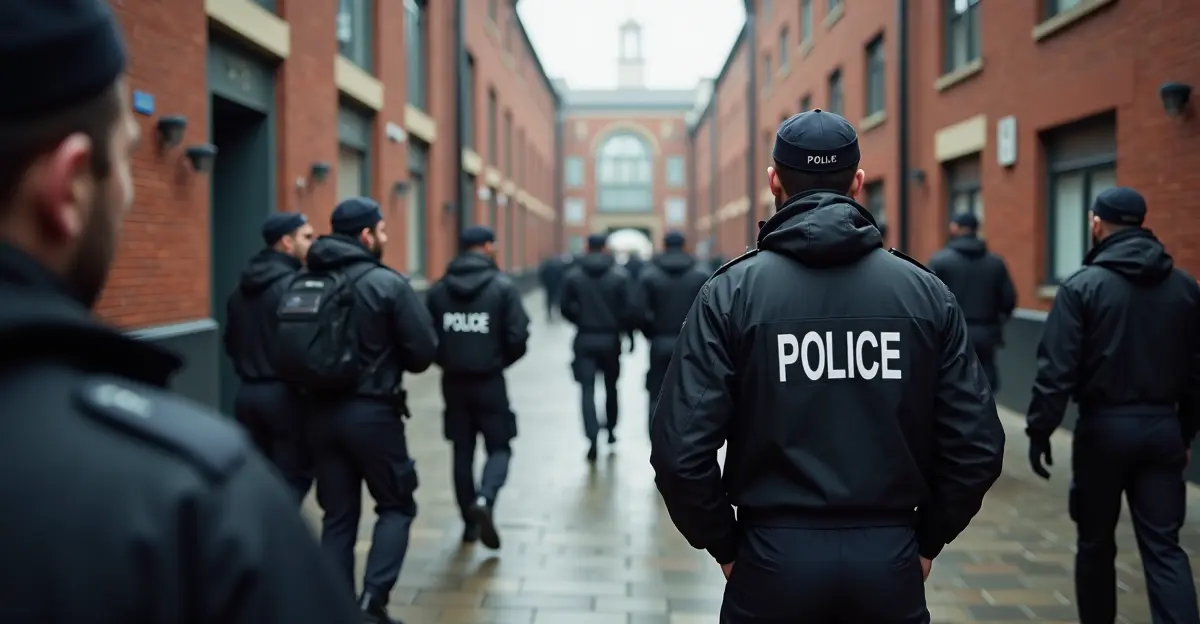
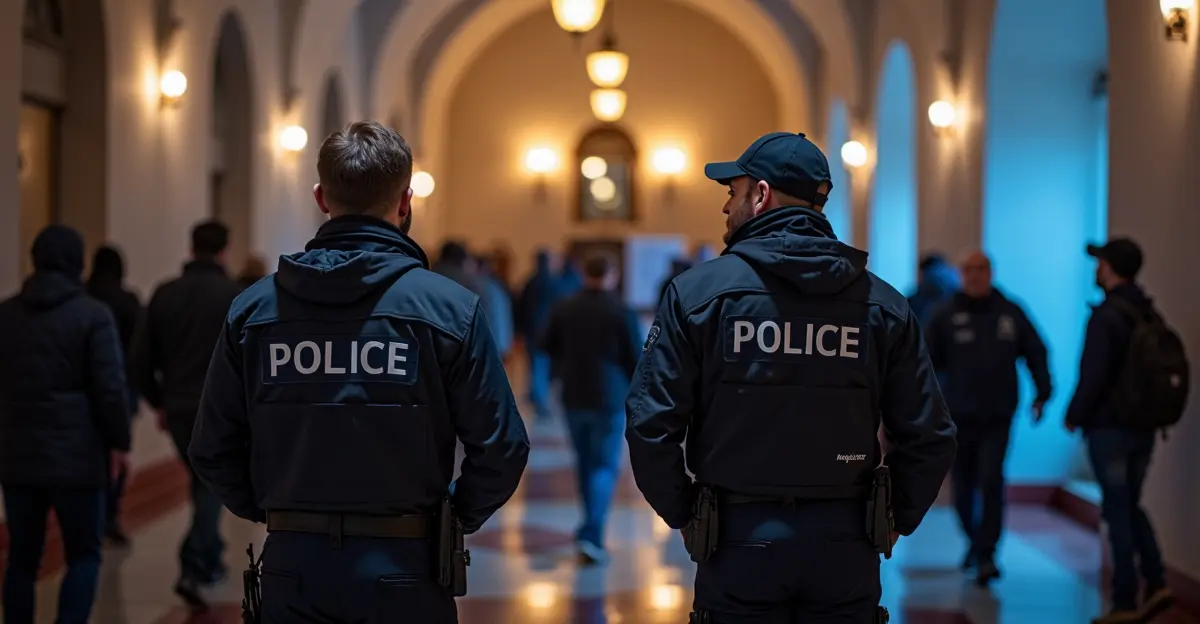
In response to the attack, police departments in New York City and Washington D.C. immediately increased security patrols at synagogues and other religious institutions. The Department of Homeland Security issued a bulletin urging religious organizations to review their security protocols and remain vigilant.
Community Response and Resilience
The West Bloomfield Jewish community has demonstrated remarkable resilience in the aftermath of the attack. Temple Israel, founded in 1941 just 60 days before the United States entered World War II, has a long history of serving the Detroit-area Jewish community. The congregation moved to its current location on Walnut Lake Road in 1980.
'We will not be intimidated by acts of hate,' declared Jason Plotkin, executive director of Temple Israel. 'Our community has faced challenges before, and we will continue to gather, pray, and educate our children in safety.' The synagogue plans to resume normal operations once structural repairs are completed and enhanced security measures are implemented.
Security Implications for Religious Institutions
The Temple Israel attack highlights critical security considerations for religious organizations across the United States. Key lessons from this incident include:
- Active shooter training effectiveness: The FBI training conducted just six weeks prior likely contributed to the security team's effective response
- Physical security measures: The attack demonstrates the vulnerability of building entrances to vehicle ramming incidents
- Emergency evacuation protocols: The successful evacuation of 140 individuals shows the importance of regular drills
- Interagency coordination: The rapid response involving local, state, and federal agencies prevented further casualties
Many religious organizations are now reviewing their security protocols, with particular attention to cybersecurity threats to critical infrastructure that could complement physical attacks.
Frequently Asked Questions
What is Temple Israel synagogue?
Temple Israel is a Reform synagogue located in West Bloomfield Township, Michigan, and is considered the largest Jewish congregation in North America with approximately 3,383 member families.
How many people were injured in the attack?
One security guard sustained non-life-threatening injuries after being struck by the vehicle. Approximately 30 law enforcement officers were treated for smoke inhalation, and eight first responders received medical attention.
Was this attack connected to international events?
Investigators are examining whether the attacker's motive was connected to the deaths of family members in Israeli airstrikes in Lebanon, though no official connection has been confirmed.
What security measures are being implemented?
Temple Israel is working with federal and local authorities to enhance physical security, including reinforced entrances, increased surveillance, and additional security personnel training.
How can other religious institutions improve security?
Organizations should conduct regular security assessments, implement active shooter training, establish clear evacuation protocols, and maintain strong relationships with local law enforcement agencies.




Follow Discussion