


 Deutsch
 English
 Español
 Français
 Nederlands
 Português


 Share
Share




The Great Supply Chain Shift: Nearshoring Takes Center Stage
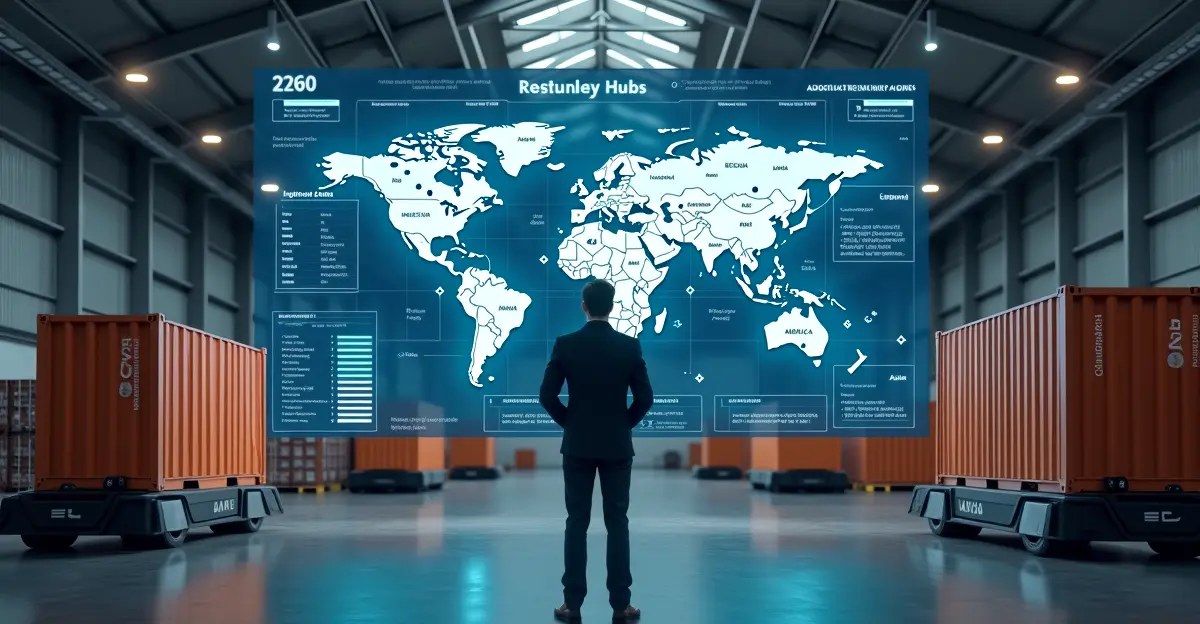
In 2025, global supply chains are undergoing a fundamental transformation as companies increasingly embrace nearshoring strategies to relocate manufacturing closer to consumer markets. This strategic shift represents a dramatic departure from decades of globalization-driven offshoring to Asia, with businesses now prioritizing resilience, speed, and stability over pure cost minimization.
Mexico Emerges as Nearshoring Powerhouse
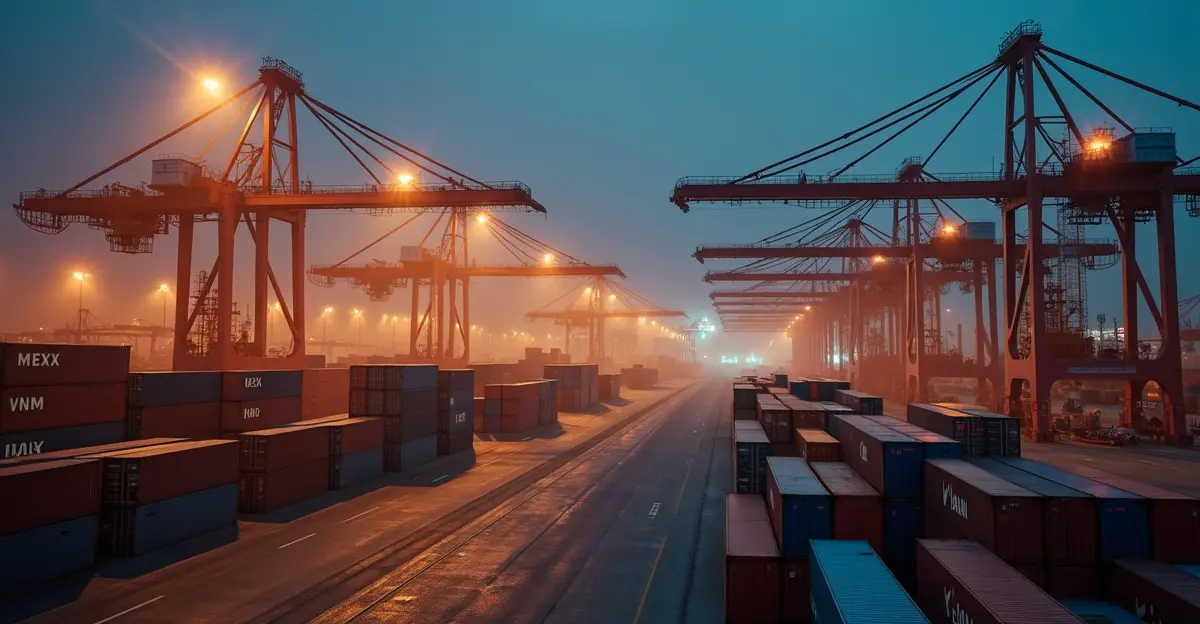
Mexico has become the epicenter of North American nearshoring, surpassing China as the United States' largest trading partner in merchandise for the first time in decades. 'The proximity advantage is undeniable,' says supply chain expert Maria Rodriguez. 'What used to take 6-8 weeks from China now takes 1-5 days from Mexico. That's not just faster—it's transformational for inventory management and market responsiveness.'
The benefits extend beyond speed. According to recent analysis, companies shifting production to Mexico are achieving 20-30% reductions in logistics costs while cutting transit times by up to 90%. The USMCA trade agreement provides tariff stability on thousands of products, creating a predictable environment for long-term investment.
Manufacturing Relocation Incentives Drive Change
Government policies and financial incentives are accelerating the nearshoring trend. The United States offers substantial support through programs like the 30% Section 48C Advanced Manufacturing Tax Credit and SBA loans up to $5.5 million for fixed assets. 'We're seeing unprecedented interest in reshoring and nearshoring financing,' notes financial advisor David Chen. 'Companies that previously viewed Asia as the only viable manufacturing option are now actively exploring North American alternatives.'
As reported by industry sources, over 60% of U.S. manufacturers now have active reshoring projects underway, with many achieving dramatic improvements in delivery times and cost structures.
Time-to-Market Revolution
The impact on time-to-market represents one of nearshoring's most significant advantages. Companies that previously faced 60-90 day lead times from Asian suppliers are now achieving 12-15 day delivery cycles from Mexican facilities. This compression of the supply chain timeline enables faster response to market trends, reduced inventory carrying costs, and improved customer satisfaction.
'The math has fundamentally changed,' explains operations director Sarah Williams. 'When you factor in the cost of capital tied up in inventory, the risk of obsolescence, and the flexibility to respond to demand fluctuations, nearshoring becomes not just competitive but superior to traditional offshoring models.'
Regional Hubs and Specialized Clusters
Mexico has developed sophisticated industrial hubs with specialized capabilities. Monterrey has emerged as a manufacturing powerhouse for automotive and heavy industry, while Guadalajara has become known as Mexico's Silicon Valley with strong electronics and technology manufacturing. Querétaro has developed aerospace expertise, creating a diversified manufacturing ecosystem across the country.
According to Forbes analysis, these regional hubs offer not just manufacturing capacity but entire ecosystems of suppliers, logistics providers, and technical expertise that make relocation more feasible and efficient.
Challenges and Strategic Considerations
Despite the clear advantages, nearshoring presents significant challenges. Infrastructure limitations in some Mexican regions, political uncertainty around the 2026 USMCA review, and border complexity require careful navigation. Workforce development remains a critical issue, with companies needing to invest in training and skills development.
'This isn't a simple relocation exercise,' cautions supply chain consultant Michael Thompson. 'Companies need to approach nearshoring as a comprehensive transformation of their operating model, including supply chain redesign, technology integration, and workforce strategy.'
The trend toward regional manufacturing hubs represents a fundamental restructuring of global supply chains. As companies continue to prioritize resilience and responsiveness, nearshoring is likely to remain a dominant strategy for years to come, reshaping manufacturing geography and creating new competitive advantages for businesses that successfully navigate this transition.




Follow Discussion