


 Deutsch
 English
 Español
 Français
 Nederlands
 Português


 Share
Share




The Great Manufacturing Remigration: Nearshoring Takes Center Stage
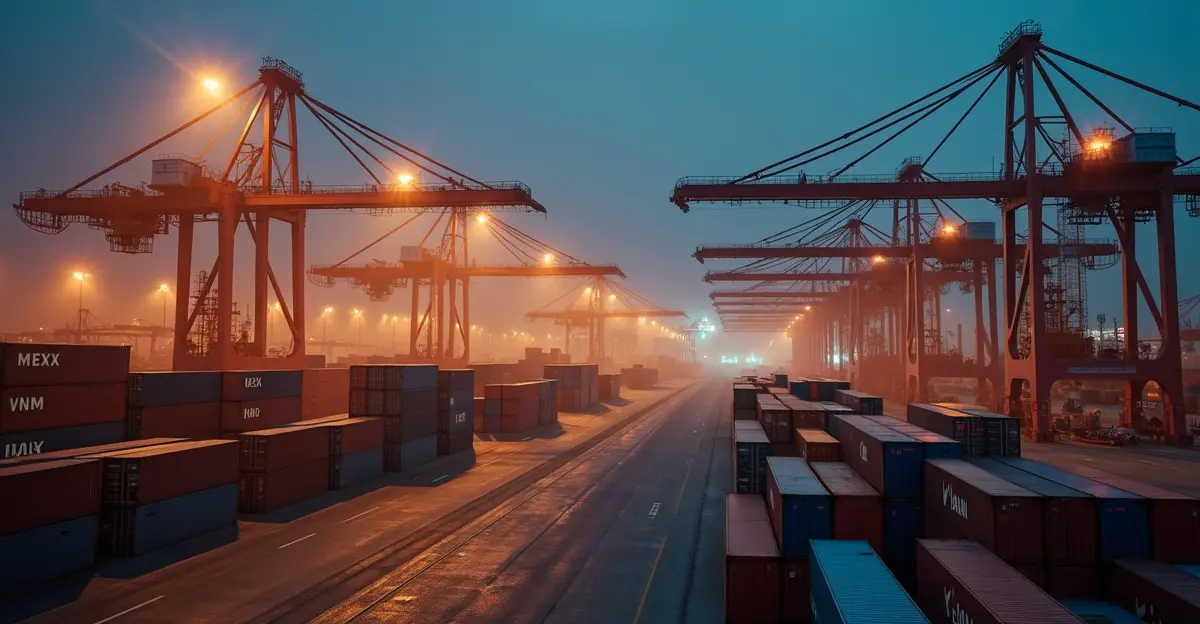
The global supply chain landscape is undergoing its most significant transformation in decades as companies accelerate nearshoring and reshoring strategies in 2025. Driven by persistent trade tensions, pandemic-era disruptions, and growing geopolitical risks, manufacturers are fundamentally rethinking their global footprint. 'We're witnessing a structural shift, not just a temporary adjustment,' says supply chain expert Dr. Maria Rodriguez. 'Companies that once chased the lowest labor costs are now prioritizing resilience, control, and proximity to markets.'
Mexico Emerges as Nearshoring Powerhouse
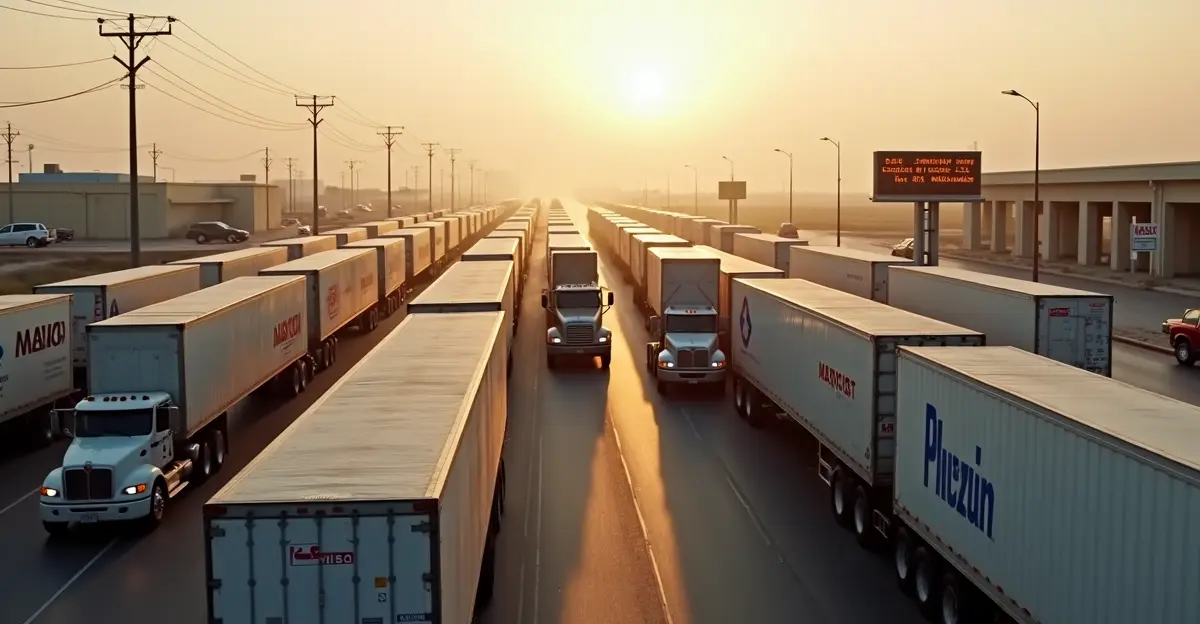
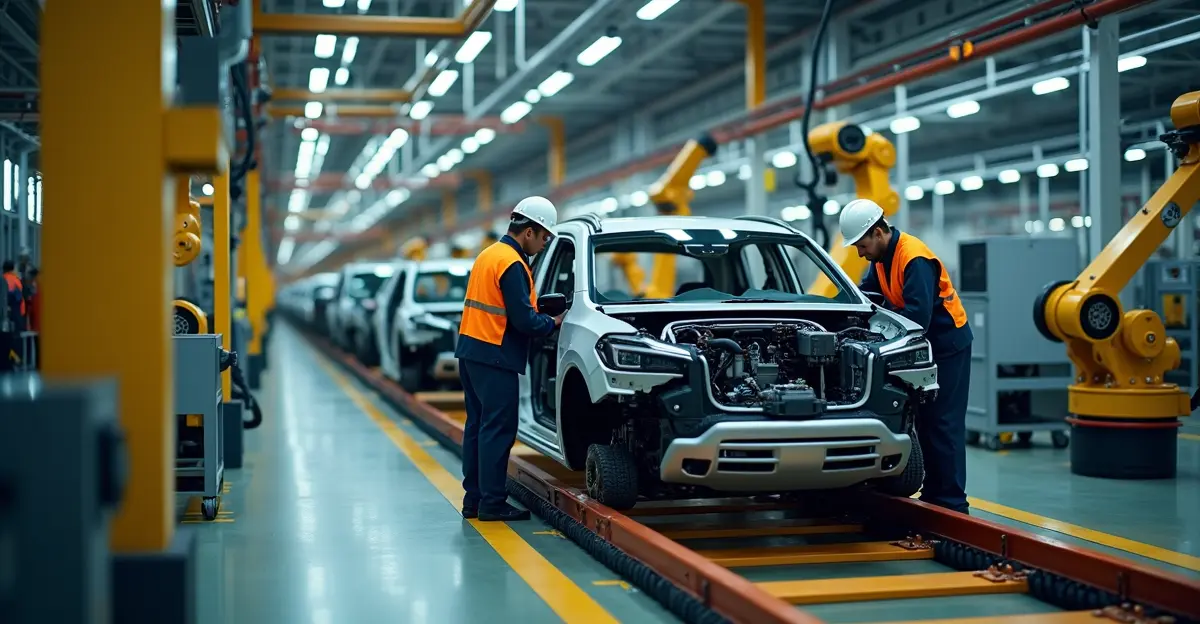
Mexico has become the epicenter of North American nearshoring, with the country surpassing China as the United States' top trading partner in 2024. Under the USMCA trade agreement, Mexico exported $466.6 billion worth of goods to the U.S. last year, representing 15.6% of total American imports. The automotive sector leads this transformation, producing nearly 4 million vehicles in 2024 and accounting for $193.9 billion in exports. 'The USMCA has created a predictable environment that encourages long-term investment,' notes manufacturing consultant Carlos Mendez. 'We're seeing companies relocate entire production lines from Asia to take advantage of tariff benefits and reduced shipping times.'
Government Incentives Fuel Manufacturing Relocation
Strategic government policies are playing a crucial role in accelerating the nearshoring trend. The U.S. CHIPS Act has spurred semiconductor manufacturing investments, while Mexico's Plan México initiative is developing 15 new industrial parks to accommodate growing demand. According to the 2025 USA Reshoring Survey, a sufficient quantity and quality of U.S. workforce would bring back 30% of currently offshored manufacturing—more than any other factor including tariffs or tax incentives.
Electronics and Medical Devices Lead Sector Transformation
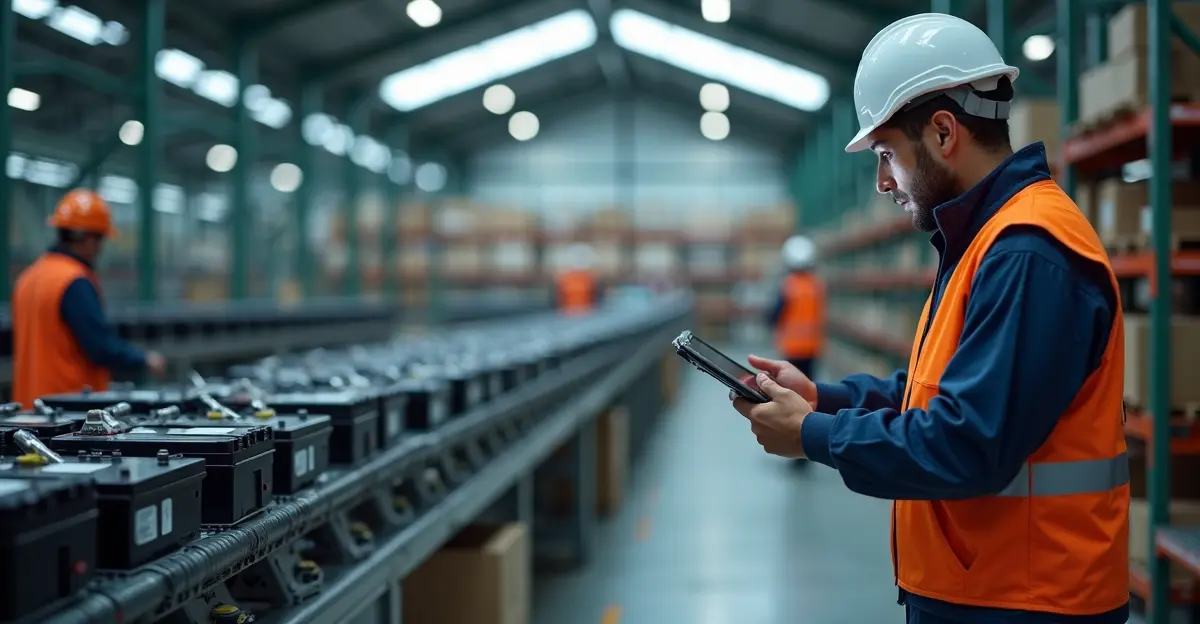
The electronics manufacturing market in Mexico is projected to grow from $53.2 billion in 2025 to $97.4 billion by 2031, while medical device exports reached $7.2 billion from Costa Rica alone in 2024. Colombia has emerged as a specialized electronics hub, exporting $3.2 billion in electronic components last year. 'The pandemic exposed vulnerabilities in our extended supply chains,' explains Tesla executive Sarah Chen. 'Our fifth Gigafactory in Mexico represents our commitment to building resilient, regional production networks.'
Challenges and Opportunities Ahead
Despite the momentum, significant challenges remain. The U.S. faces a projected 1.9 million-worker gap in manufacturing that could double by 2035. Infrastructure limitations and regulatory complexity also pose hurdles for companies transitioning to nearshoring models. However, the shift toward Total Cost of Ownership analysis—considering factors beyond just labor costs—is helping companies make more strategic decisions. 'Only 30% of manufacturers currently use TCO analysis,' reports the Reshoring Initiative. 'Wider adoption could reshore $200 billion in manufacturing without requiring government subsidies.'
The nearshoring movement represents a fundamental rethinking of global manufacturing strategy. As companies prioritize supply chain resilience over pure cost minimization, regional production networks are becoming the new standard for competitive advantage in an increasingly volatile global economy.

Follow Discussion