


 Deutsch
 English
 Español
 Français
 Nederlands
 Português


 Share
Share




BYD F1 Entry Explained: Chinese EV Giant Eyes Formula 1 Racing in 2026
Chinese electric vehicle giant BYD, the world's largest EV manufacturer, is exploring a potential entry into Formula 1 racing as part of its strategy to boost global brand recognition outside China. According to Bloomberg reports, the Shenzhen-based automaker is considering options ranging from acquiring an existing team to building one from scratch, with the move representing BYD's first major push into elite auto racing. This potential entry comes as BYD overtook Tesla in all-electric vehicle sales for 2025 with over 2.25 million units delivered globally.
What is BYD's Formula 1 Strategy?
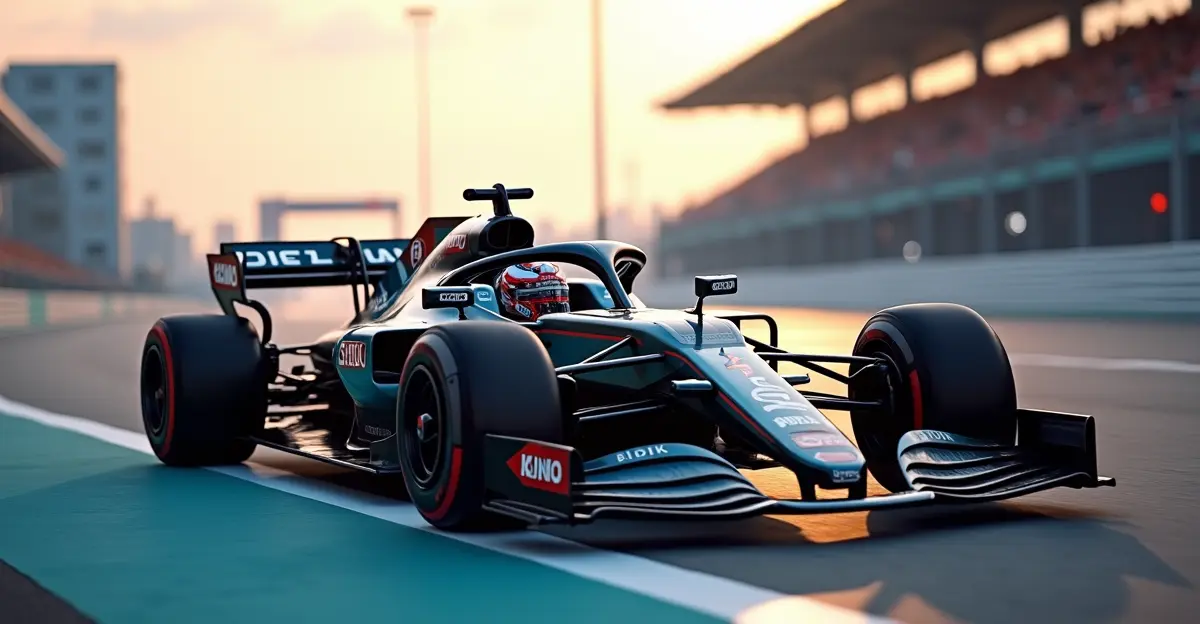
BYD's potential Formula 1 entry represents a calculated strategic move to elevate its brand perception from a budget manufacturer to a premium performance brand. The company is reportedly considering both F1 and the FIA World Endurance Championship (WEC) as options for international motorsport involvement. An F1 entry would be particularly significant as no Chinese constructor has ever competed in the premier racing series, potentially breaking European dominance in motorsport similar to how Japanese automakers entered F1 in previous decades.
The timing aligns perfectly with F1's 2026 hybrid regulations that significantly increase the electrical component of powertrains. The new regulations feature a 50/50 power split between combustion and electric energy, with the MGU-K's output tripling to 350 kW while the combustion engine reduces to 400 kW. This makes the sport more relevant to BYD's core electric vehicle expertise and battery technology leadership.
Potential Acquisition Targets and Entry Pathways
BYD has several pathways to enter Formula 1, with industry analysts identifying Alpine as a logical acquisition target despite Renault CEO Luca de Meo insisting the team is not for sale. Other possibilities include building a new team from scratch or partnering with an existing constructor. The company could reduce startup costs by taking over an existing team, similar to how Audi bought Sauber or how Cadillac entered F1 after years of negotiations.
FIA President Mohammed Ben Sulayem has welcomed the potential entry of a Chinese manufacturer, calling it the 'next logical step' after Shanghai returned to the F1 calendar in 2024. 'Chinese manufacturers have demonstrated impressive engineering capabilities, and their entry would expand the grid and the sport's commercial reach in Asia's massive automotive market,' Ben Sulayem told Le Figaro last year.
Financial Considerations and Challenges
Entering Formula 1 represents a massive financial commitment, with operational costs estimated at around $500 million per season. While the 2026 operational cost cap stands at $215 million, additional expenses like travel, marketing, and driver salaries could push the annual budget significantly higher. For BYD, which earned over $100 billion in 2024, these costs are manageable, but institutional resistance from established teams like Ferrari and Mercedes presents the real obstacle.
Noud Broekhof of De Nationale Autoshow highlights the risks: 'Toetreden tot de F1 kost veel geld en presteren op niveau neemt jaren in beslag. Het afbreukrisico is daardoor ook groot.' (Entering F1 costs a lot of money and performing at a high level takes years. The risk of failure is therefore also significant.) He also notes that F1 is heavily focused on the American market, where BYD currently has no access due to strict data security regulations and high import tariffs.
Technology Transfer and Road Relevance
BYD has already demonstrated impressive electric vehicle technology that could translate to F1 success. In 2025, the company tested its luxury subsidiary Yangwang's U9 Xtreme model at Germany's Nürburgring, achieving a top speed of over 496 kilometers per hour (308 mph). The prototype features 960 kW (1,287 hp) from four independent electric motors and accelerates 0-100 km/h in 2.3 seconds.
This technological prowess aligns with F1's 2026 regulations that favor increased battery capacity and electric power deployment. The removal of the complex MGU-H (Motor Generator Unit-Heat) while dramatically increasing electrical power contribution from 20% to approximately 50% creates opportunities for battery specialists like BYD to showcase their expertise.
Global Expansion and Brand Building
BYD's potential F1 entry comes at a critical juncture in the company's global expansion. After becoming the world's largest electric vehicle manufacturer in 2025, the company needs premium brand prestige in Western markets to compete with established luxury brands. F1 offers unparalleled global exposure, with races broadcast to over 500 million viewers worldwide and significant presence in key markets like Europe, the Middle East, and increasingly, the United States.
The company's strategy mirrors successful approaches by other manufacturers. Hyundai's motorsport success with its World Rally Championship program transformed the brand's perception from budget to performance-oriented. Similarly, Toyota's F1 involvement in the 2000s helped establish its technical credentials despite limited on-track success.
Frequently Asked Questions
When could BYD enter Formula 1?
Industry analysts suggest BYD could potentially enter F1 by 2027 or 2028, though the process could take several years given the complexity of team establishment or acquisition negotiations.
How much would BYD's F1 entry cost?
Annual operational costs are estimated at $500 million, with additional startup costs for team acquisition or establishment potentially reaching $1 billion or more.
Why is BYD considering F1 now?
The timing aligns with F1's 2026 hybrid regulations that increase electric power to 50% of the drivetrain, making the sport more relevant to BYD's electric vehicle expertise and global expansion needs.
What are the main challenges for BYD's F1 entry?
Key challenges include resistance from existing teams, the massive financial commitment, technical adaptation to F1's unique requirements, and the competitive nature of the sport where success takes years to achieve.
Could BYD enter other racing series instead?
Yes, BYD is also reportedly considering the World Endurance Championship, which includes the 24 Hours of Le Mans, as a more affordable alternative with annual costs around $35 million for a two-car program.



Follow Discussion