


 Deutsch
 English
 Español
 Français
 Nederlands
 Português


 Share
Share




Chinese Brands Are Redefining Global Consumer Markets
Chinese brands are rapidly shedding the old 'Made in China' label of low-cost manufacturing and emerging as global leaders in innovation, design, and brand recognition. According to a recent report by the BBC, Chinese companies across sectors from electric vehicles to bubble tea and sportswear are winning over international consumers with quality products, aggressive expansion, and savvy use of social media. The global rise of Chinese consumer brands marks a pivotal shift in the world economy.
From Copycat to Cutting Edge
For decades, 'Made in China' conjured images of cheap, knock-off goods. That perception is rapidly changing. Tim Parkinson of advisory firm Storytellers China told the BBC that China has moved 'beyond the stage of a copycat economy. Products now meet the expectations of a new generation of demanding consumers worldwide.' This transformation is underpinned by massive scale advantages and operational efficiency built during years of manufacturing for Western companies.
Chinese brands typically first dominate the vast domestic market, then use Southeast Asia as a testing ground before expanding globally. A study by Euromonitor International found that over 70% of Chinese companies active in Southeast Asia plan to further expand there, driven by a growing cohort of wealthy young consumers.
Key Sectors Where Chinese Brands Are Winning
Electric Vehicles: BYD Leads the Charge
BYD has become the world's largest electric vehicle maker. In 2025, the company sold a record 4.6 million vehicles, including 2.26 million pure battery EVs, according to industry data. BYD now holds nearly 20% of the global EV market, outpacing Tesla and Geely. The company has also aggressively expanded into charging infrastructure and operates manufacturing plants across Asia, Europe, and the Americas.
Consumer Electronics and Smart Home
The 2025–2026 Global Top Brands list, published by IDC, highlighted Huawei, TCL, Haier, and Hisense among the world's top 50 consumer electronics brands. China's consumer electronics market is projected to reach 2.8 trillion yuan by 2025, with domestic brands holding over 50% market share in TVs and smart home products. Xiaomi saw its brand value surge 154% in 2025, ranking 11th among China's most valuable brands according to Kantar BrandZ.
Sportswear: Anta Challenges Nike and Adidas
Chinese sportswear giant Anta has grown into the world's third-largest sportswear brand, challenging Nike and Adidas. Founded in 1991, Anta now operates over 12,000 stores in China and owns premium international brands including Arc'teryx, Salomon, and Wilson through its acquisition of Amer Sports. The company aims to open 1,000 stores in Southeast Asia within three years.
Fast Food and Beverage: Mixue Surpasses McDonald's
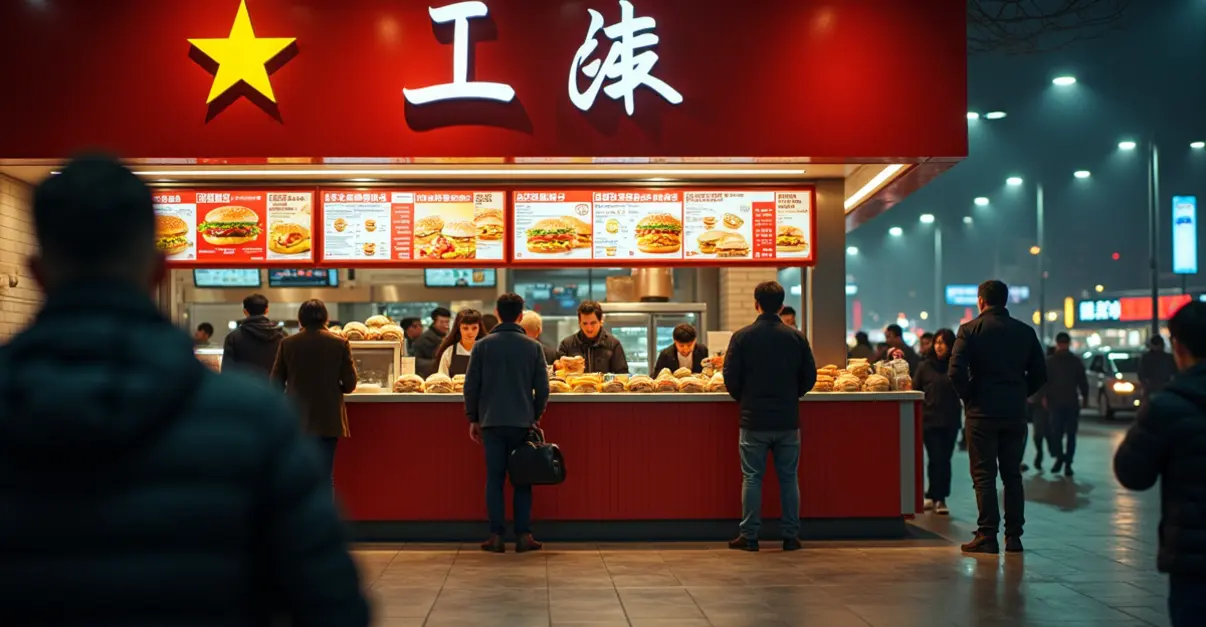
Mixue Ice Cream & Tea, a Chinese chain selling ultra-cheap bubble tea and soft-serve ice cream, now operates over 53,000 stores globally—more than McDonald's or Starbucks. Founded in 1997 with a 3,000 yuan loan, Mixue's vertical integration allows it to keep prices as low as $1.19 for a cone. The chain recently opened its first U.S. location on Hollywood's Walk of Fame.
Toys and Collectibles: Pop Mart's Labubu Craze
Pop Mart's Labubu dolls have become a global phenomenon, with sales surpassing 100 million units in 2025. The company's first-half 2025 revenue surged 204% to 13.88 billion yuan, with overseas revenue up 475% in Q1 alone. Celebrities like BLACKPINK's Lisa and Rihanna have fueled the craze. Pop Mart now operates over 700 stores across 100 countries.
Lifestyle Retail: Miniso's IP-Powered Growth
Miniso, a lifestyle retailer with IP collaborations with Disney, Marvel, and Warner Bros., has grown to approximately 8,000 stores across 111 markets. More than half its stores are now outside China, including 17 in the Netherlands. The company plans to open 900–1,100 new stores annually through 2028.
What Is Driving This Transformation?
Several factors explain the rapid ascent of Chinese brands. First, China's 'Made in China 2025' industrial policy has funneled significant government support into high-tech manufacturing, R&D, and intellectual property protection. A 2025 U.S.-China Economic and Security Review Commission report found that China met or exceeded many of its ambitious market share and technology targets in sectors like EVs, electrical equipment, and biopharma.
Second, Chinese companies have mastered digital marketing and social media, using platforms like TikTok and WeChat to build brand communities globally. Third, supply chain integration allows Chinese firms to offer high quality at competitive prices.
However, the rise is not without challenges. A slowing domestic economy, declining birth rates, and intense competition at home are pushing many companies to relocate or expand abroad. Geopolitical tensions and trade barriers also pose risks.
Impact on Global Consumers and Markets
The impact of Chinese brand expansion on global retail is profound. Western incumbents face unprecedented competition. In EVs, Tesla's global market share dropped from 19.2% in late 2023 to 12% by end of 2025. In sportswear, Nike and Adidas are losing ground to Anta in Asia and beyond. For consumers, the shift means more choice, lower prices, and faster innovation.
Frequently Asked Questions
What is the 'Made in China 2025' initiative?
It is a Chinese industrial policy launched in 2015 aimed at upgrading China's manufacturing capabilities in ten key technology sectors, including EVs, robotics, aerospace, and advanced materials. The policy uses state subsidies, R&D incentives, and strategic partnerships to reduce reliance on foreign technology.
Which Chinese brands are most popular globally?
Leading Chinese global brands include BYD (EVs), Huawei and Xiaomi (electronics), Anta (sportswear), Mixue (food & beverage), Pop Mart (toys), Miniso (lifestyle), and TikTok (social media). Tencent, Alibaba, and Moutai also rank among the world's most valuable brands.
How many stores does Mixue have compared to McDonald's?
As of early 2026, Mixue operates over 53,000 stores globally, surpassing McDonald's (approximately 40,000) and Starbucks (about 36,000), making it the world's largest food and beverage chain by store count.
Why are Chinese brands succeeding internationally now?
Key factors include: massive domestic scale allowing cost efficiencies; government industrial policy support; mastery of digital and social media marketing; vertical supply chain integration; and a strategic approach of testing in Southeast Asia before global expansion.
What challenges do Chinese brands face abroad?
Challenges include geopolitical tensions, trade tariffs, regulatory hurdles in Western markets, overcoming lingering perceptions of low quality, and building consumer trust amid concerns over data security and intellectual property.


Follow Discussion