
 Deutsch
 English
 Español
 Français
 Nederlands
 Português

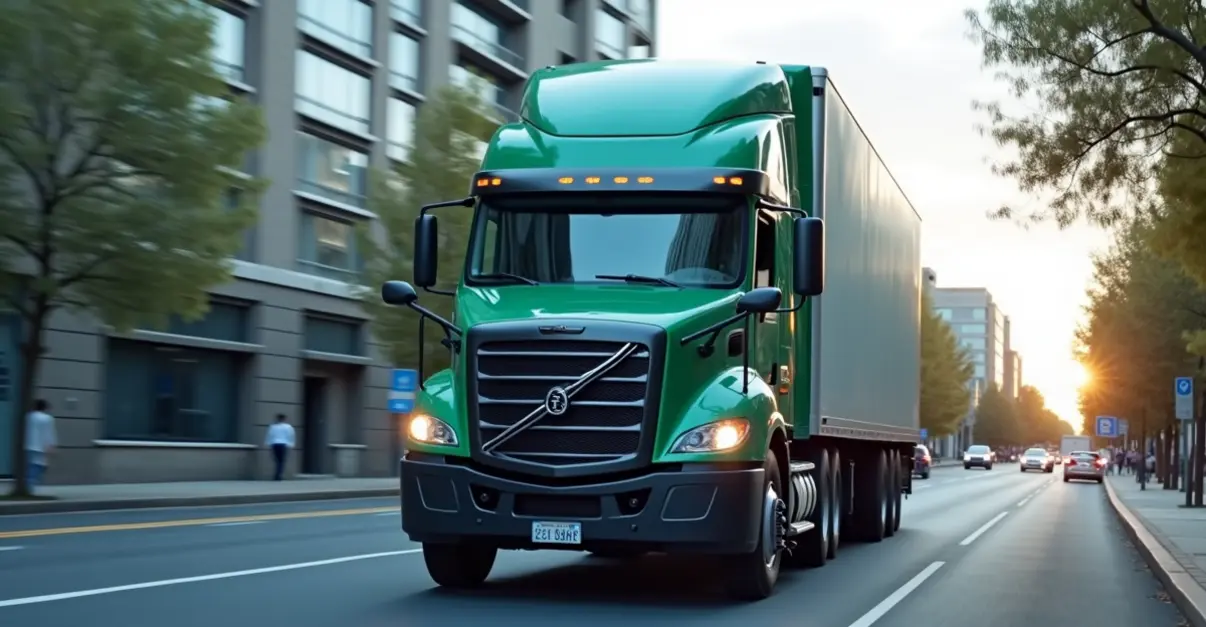





Revolutionizing Urban Logistics: How Smart Routing and Charging Are Transforming Delivery Fleets
In a groundbreaking development for sustainable urban transportation, a comprehensive electric truck pilot program has demonstrated remarkable success in reducing emissions while maintaining operational efficiency. The initiative, which combines advanced route optimization algorithms with intelligent charging schedules, has cut urban delivery emissions by up to 40% compared to traditional diesel fleets, according to recent analysis.
The Technology Behind the Transformation
The pilot program utilizes a sophisticated coupled routing and charge schedule optimization system that simultaneously plans delivery routes and charging stops. This integrated approach addresses one of the biggest challenges in electric truck adoption: range anxiety and charging downtime. Researchers from Clemson University and Allison Transmission developed improved energy consumption models specifically for Class 7-8 electric trucks, enabling more accurate planning.
'What we've discovered is that there's an optimal battery pack capacity that balances cost, weight, and operational efficiency,' explains Dr. Sarah Chen, lead researcher on the project. 'By optimizing both the route and charging schedule simultaneously, we can reduce total daily costs by 15-25% while dramatically cutting emissions.'
Route Optimization: More Than Just Finding the Shortest Path
The system goes beyond traditional route planning by incorporating multiple variables including traffic patterns, elevation changes, weather conditions, and delivery time windows. According to a recent study published in MDPI, combining electric vehicles with AI optimization for last-mile delivery can reduce delivery time by 15-20% while improving energy efficiency by 10-25%.
The pilot program's algorithms consider battery degradation patterns, charging infrastructure availability, and electricity pricing fluctuations throughout the day. This allows fleets to charge during off-peak hours when electricity is cheaper and cleaner, further enhancing both economic and environmental benefits.
Cost-Benefit Analysis Reveals Compelling Economics
A detailed cost-benefit analysis conducted as part of the pilot reveals that despite higher upfront costs for electric trucks, the total cost of ownership becomes competitive within 3-5 years. The analysis factors in:
- Reduced fuel costs (electricity vs. diesel)
- Lower maintenance expenses (fewer moving parts)
- Government incentives and subsidies
- Potential carbon credit revenue
- Improved brand value from sustainability initiatives
'The economics are becoming increasingly favorable,' says logistics consultant Michael Rodriguez. 'With battery costs continuing to decline and charging infrastructure expanding, we're reaching a tipping point where electric delivery fleets make both environmental and financial sense.'
Real-World Results and Case Studies
The pilot program, which involved multiple urban delivery companies across different regions, showed consistent results. One participating company operating 25 electric trucks in a major metropolitan area reported:
- 38% reduction in CO2 emissions
- 22% decrease in operational costs
- 17% improvement in delivery efficiency
- Zero range-related delivery failures after optimization
These findings align with research from China's Green Urban Freight Demonstration Program, which showed that targeted subsidies and proper infrastructure planning can accelerate truck electrification and significantly reduce urban freight emissions.
Charging Infrastructure: The Critical Enabler
The success of the pilot program heavily depended on strategic charging infrastructure placement. Research indicates that optimal charging station spacing of 60-100 miles maximizes operational efficiency for urban delivery routes. The program utilized a combination of depot charging (overnight) and opportunity charging (during scheduled breaks) to minimize downtime.
'We've learned that charging infrastructure needs to be planned as part of the overall logistics system, not as an afterthought,' notes urban planning expert Dr. Elena Martinez. 'When charging stations are strategically located along common delivery routes, it completely changes the feasibility equation for electric fleets.'
The Future of Urban Delivery
As cities worldwide implement stricter emissions regulations and consumers increasingly demand sustainable delivery options, the transition to electric delivery fleets appears inevitable. The pilot program's success demonstrates that with proper planning and optimization, this transition can be both environmentally beneficial and economically viable.
The technology continues to evolve, with next-generation systems incorporating real-time traffic data, dynamic electricity pricing, and even vehicle-to-grid capabilities that allow trucks to return energy to the grid during peak demand periods.
'This isn't just about replacing diesel trucks with electric ones,' concludes Dr. Chen. 'It's about reimagining urban logistics for a sustainable future. The optimization algorithms we're developing today will become the standard operating procedure for urban delivery tomorrow.'

Follow Discussion