


 Deutsch
 English
 Español
 Français
 Nederlands
 Português


 Share
Share




Electric Truck Urban Pilot Results Published: A Turning Point for Sustainable Transport
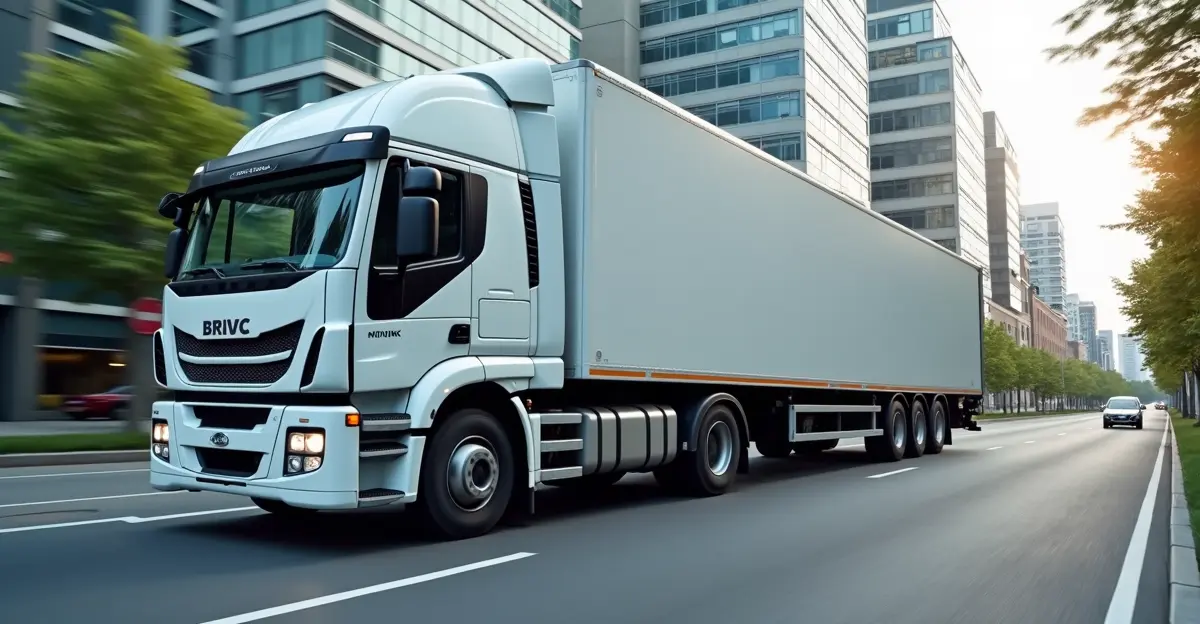
The results of a major urban electric truck pilot program have been released, revealing significant implications for policy, markets, and communities across the United States. The comprehensive study, which analyzed data from multiple cities implementing electric freight vehicles in urban environments, shows both promising results and critical challenges that must be addressed as the transition to zero-emission transportation accelerates.
Key Findings from the Pilot Program
The pilot program, which involved over 200 electric trucks across several metropolitan areas, demonstrated that electric trucks can successfully handle urban delivery routes with proper infrastructure support. 'We were initially skeptical about range limitations, but the data shows these vehicles are more than capable of handling typical urban delivery cycles,' said transportation analyst Maria Chen, who reviewed the findings. The study found that electric trucks reduced operational costs by 30-40% compared to diesel counterparts when factoring in fuel savings and reduced maintenance.
However, the report also highlighted significant infrastructure gaps. Charging infrastructure remains the biggest barrier to widespread adoption, with many urban areas lacking sufficient fast-charging stations for commercial vehicles. 'The technology works, but we need a charging network that supports commercial operations,' noted logistics manager James Rodriguez, whose company participated in the pilot.
Policy Implications and Market Impact
The findings come at a critical time as federal and state governments consider new regulations and incentives for commercial vehicle electrification. The Inflation Reduction Act's commercial clean vehicle credits and the Infrastructure Investment and Jobs Act's charging infrastructure funding are already shaping the market, but the pilot results suggest more targeted policies may be needed.
'This data provides concrete evidence that urban freight electrification is not just possible but economically advantageous,' said environmental policy expert Dr. Sarah Johnson. 'However, we need policies that address the upfront cost barrier for small fleet operators and ensure charging infrastructure keeps pace with vehicle adoption.'
The market implications are substantial. According to recent analysis, the electric truck market is expanding rapidly with several new models expected between 2026-2030. Currently, six electric trucks are available including the Rivian R1T, GMC Hummer EV Pickup, Ford F-150 Lightning, Chevrolet Silverado EV, GMC Sierra EV, and Tesla Cybertruck. Key upcoming models include the Ram 1500 Rev (delayed to 2026) with 350-500 mile range and Ford's T3 electric truck (delayed to 2027).
Community Health and Environmental Benefits
Perhaps the most significant finding relates to community health impacts. The pilot documented substantial reductions in local air pollution in neighborhoods where electric trucks replaced diesel vehicles. This is particularly important for port-adjacent communities and urban corridors that have historically borne the brunt of freight-related pollution.
A recent Nature Sustainability study examined how truck electrification affects air pollution disparities in the United States, finding that while overall pollution decreases, targeted electrification of drayage corridors could provide comparatively large health benefits for disadvantaged communities.
'The quiet operation alone has transformed our neighborhood,' said community organizer Lisa Washington from a port-adjacent area. 'But the real benefit is knowing our children are breathing cleaner air.'
Challenges and Future Directions
The report identifies several key challenges that must be addressed: charging infrastructure gaps, high upfront costs for smaller operators, grid capacity concerns during peak charging times, and the need for standardized charging systems for commercial vehicles.
Despite these challenges, the momentum is building. Companies like Target have partnered with Frontdoor Collective to test 50 Chevrolet BrightDrop electric vans for last-mile delivery in Dallas-Fort Worth, while DHL Express U.S. launched its first 45 Mercedes-Benz eSprinter vans across multiple states. Hermann Services purchased 15 Peterbilt electric trucks for New Jersey operations following a successful 2024 pilot program.
The Urban Freight Lab's August 2025 report on zero-emission delivery in the United States provides additional context for these developments, analyzing adoption trends and infrastructure needs.
As the transportation sector continues its electrification journey, the urban electric truck pilot results provide both a roadmap and a reality check. The technology is ready, the economic case is strengthening, but coordinated policy action and infrastructure investment will determine how quickly and equitably this transition occurs.
Follow Discussion