
 Deutsch
 English
 Español
 Français
 Nederlands
 Português

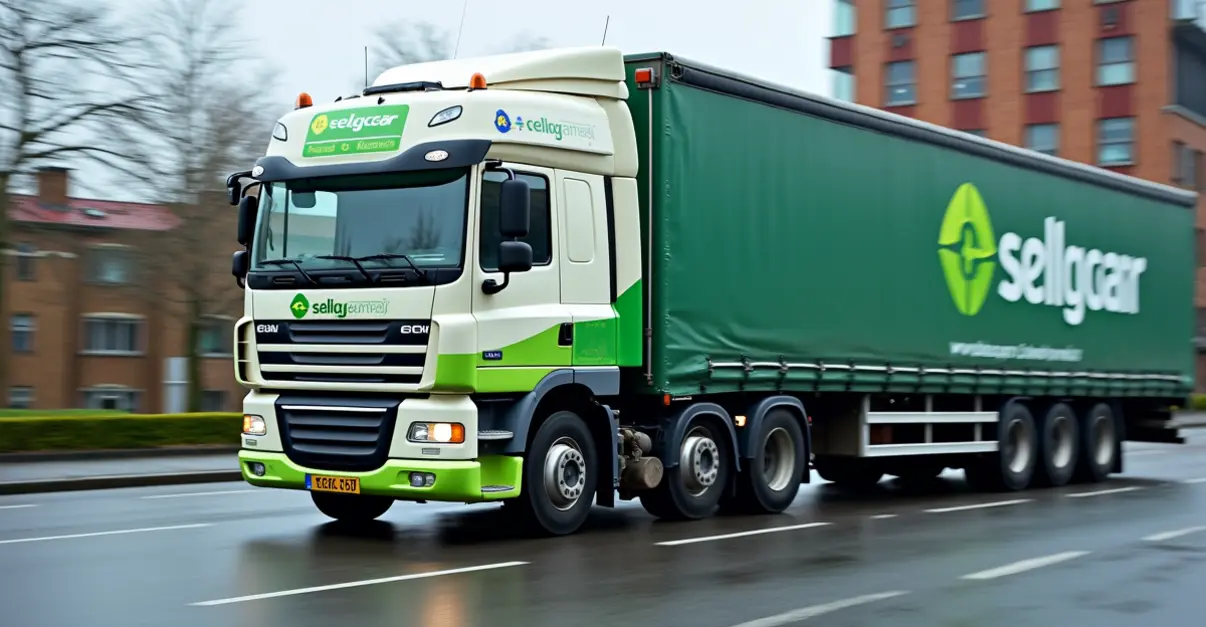





Electric Truck Urban Pilot Delivers Promising Results
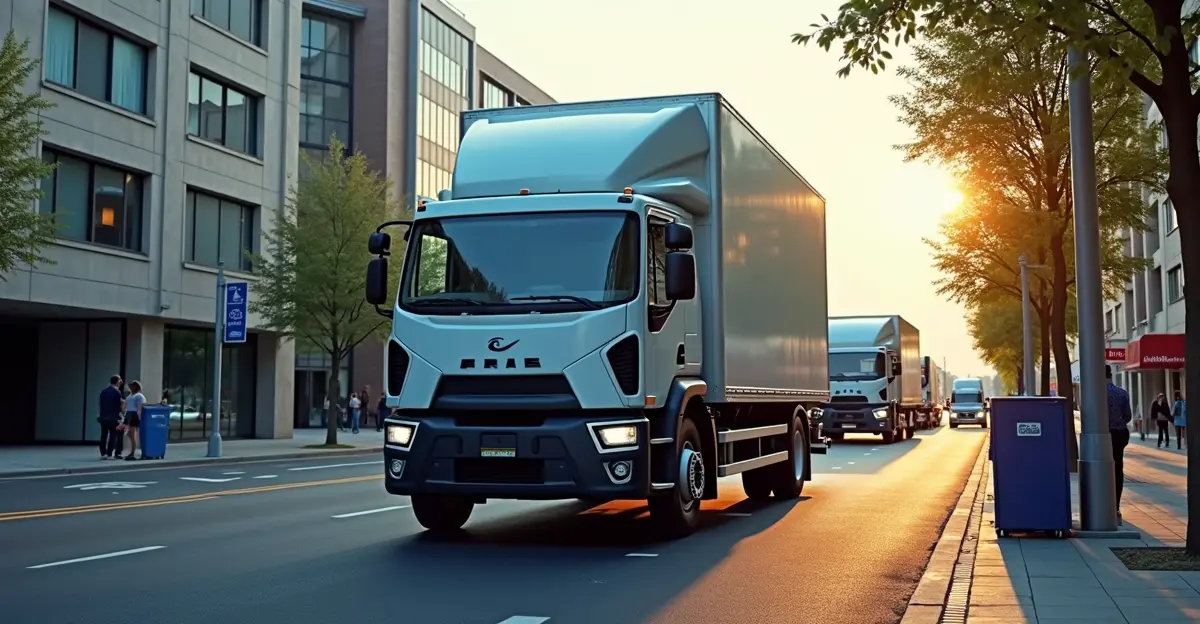
The results are in from major urban electric truck pilot programs across North America and Europe, and the findings point toward a significant shift in commercial transportation. Recent analysis of multiple pilot initiatives reveals that electric trucks are not only viable for urban logistics but can deliver substantial environmental and operational benefits when properly implemented.
Key Findings from Urban Pilots
According to data from the GREEN-LOG Horizon Europe project, which completed successful zero-emission urban logistics pilots across five European cities, collaborative deliveries using shared electric vehicles reduced kilometers driven by 35% and cut travel time by over 25%. In Athens, Barcelona, Ispra, Mechelen, and Oxfordshire, these pilots demonstrated that electric trucks combined with smart logistics planning can dramatically improve urban freight efficiency.
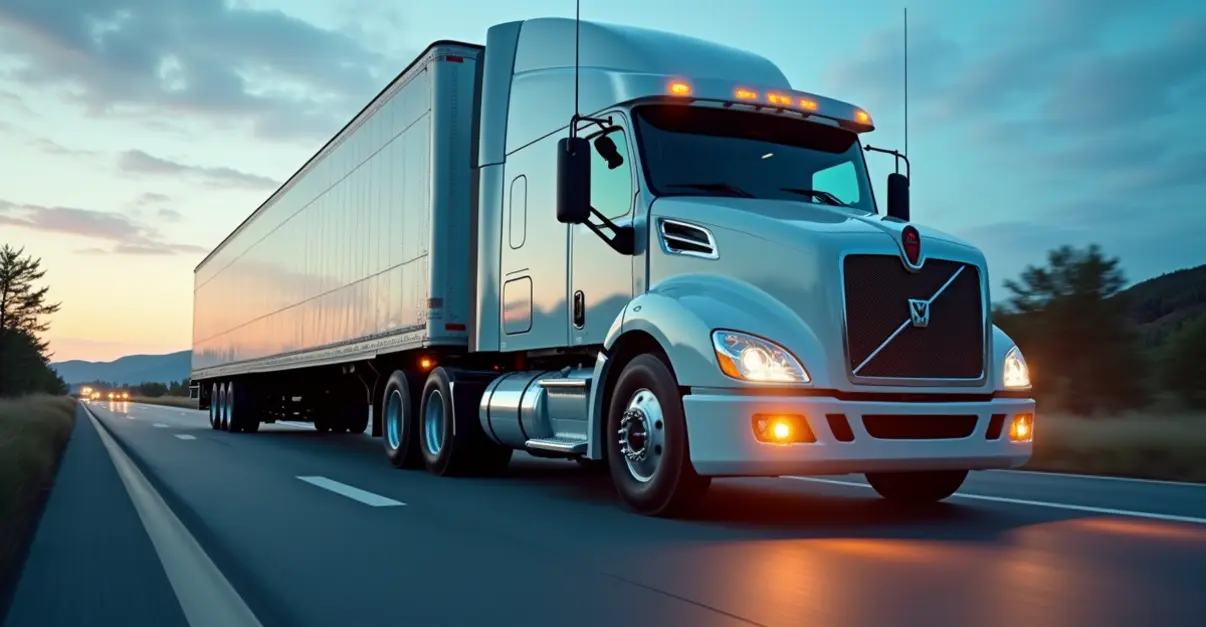
In the United States, similar trends are emerging. The October 2025 electric trucks and buses round-up highlights significant progress, with Target partnering with Frontdoor Collective to pilot 50 Chevrolet BrightDrop electric vans for last-mile delivery in the Dallas-Fort Worth area. Hermann Services expanded on their successful 2024 pilot program by purchasing 15 Peterbilt electric trucks for New Jersey operations.
'What we're seeing is a fundamental shift in how urban logistics can operate,' says transportation analyst Dr. Sarah Chen. 'These pilot programs demonstrate that electric trucks aren't just cleaner—they can be more efficient and cost-effective when integrated with modern logistics systems.'
Policy Implications and Market Impact
The success of these pilot programs has significant implications for policymakers and markets. According to the system dynamics model study analyzing electric truck adoption using real-world data from Sweden, subsidies for charging stations significantly increase electric truck adoption, while investments in vehicle technology maturity are the most cost-efficient use of limited resources.
The NC Clean Energy Technology Center's Q2 2025 report identifies three key trends: policymakers pursuing technical and reliability requirements for charging stations, utilities implementing new make-ready incentives for EV charging infrastructure, and utilities targeting pilot program extensions. Some utilities are seeking extensions as stopgaps until permanent programs are established, while others aim to transition pilot programs into permanent offerings.
'The pilot results are giving policymakers the data they need to make informed decisions,' notes energy policy expert Michael Rodriguez. 'We're seeing a shift from experimental programs to established infrastructure investments.'
Community and Environmental Benefits
Beyond operational efficiency, the urban electric truck pilots are delivering measurable community benefits. The Nature Sustainability study examines how truck electrification affects air pollution disparities in the United States. While electrifying heavy-duty trucks reduces diesel emissions, it shifts pollution burdens to power-generation facilities. However, the research shows that truck electrification and grid decarbonization do reduce air-pollution-related premature mortality in disadvantaged communities.
In Oxfordshire's pilot program, predictive demand tools and mobile hubs saved over 87kg of CO₂ daily while improving courier efficiency. All pilots emphasized stakeholder co-creation and received positive feedback from local communities concerned about noise and air pollution.
Challenges and Future Outlook
Despite the promising results, challenges remain. According to the Global EV Outlook 2025, while charging infrastructure has grown alongside EV adoption, challenges remain in providing ubiquitous, reliable charging, particularly for drivers without private charging access. The report provides projections up to 2030 and examines total cost of ownership for heavy-duty electric trucks across various markets.
Battery technology continues to advance, with ranges extending up to 300 miles per charge for some models, but charging infrastructure and grid capacity remain concerns for widespread adoption. The industry analysis predicts over 30% market growth in 2025, with electric trucks making up a significant percentage of new commercial vehicle purchases.
'We're at a tipping point,' says logistics consultant Emma Wilson. 'The pilot results show what's possible, and now we need the infrastructure and policy support to make electric trucks the norm rather than the exception in urban logistics.'
As more pilot programs transition to permanent operations and new models enter the market in 2025, including the Tesla Cybertruck and Nikola Tre Hydrogen-Electric, the urban electric truck revolution appears to be gaining momentum. The data from these pilot programs provides a roadmap for cities, companies, and policymakers looking to build more sustainable and efficient urban transportation systems.

Follow Discussion