


 Deutsch
 English
 Español
 Français
 Nederlands
 Português


 Share
Share




AI in Diagnostics: Are Doctors Being Replaced?
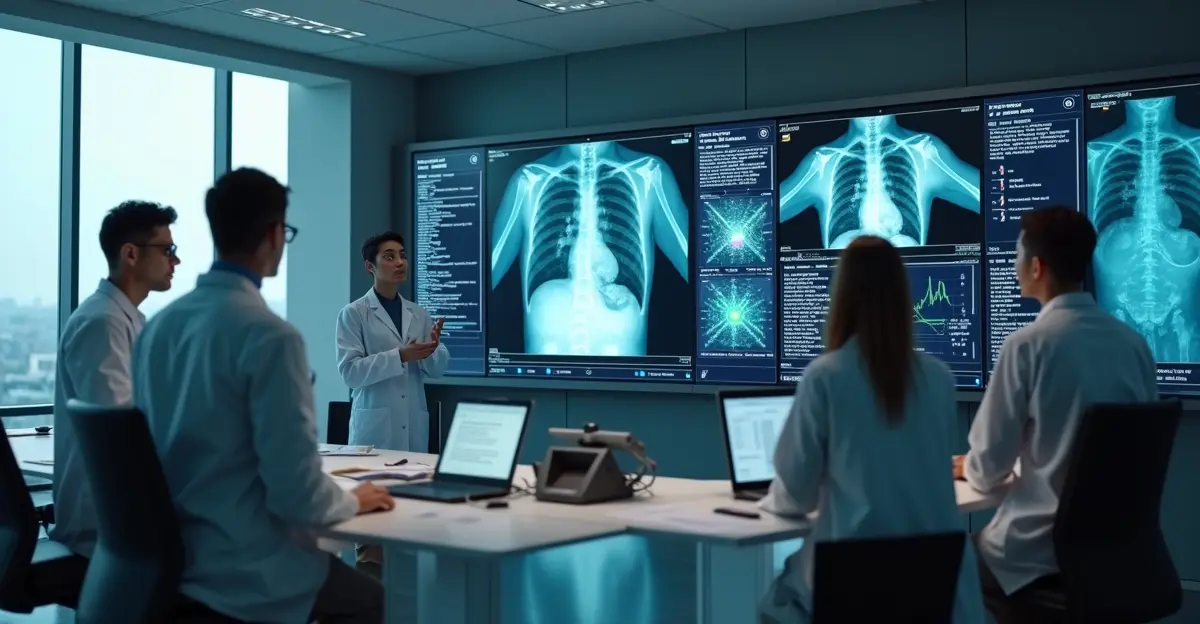
The rapid advancement of artificial intelligence (AI) in healthcare has sparked debates about the future role of doctors, particularly in diagnostics. AI models, such as those developed by Tempus AI and OpenAI, are now capable of diagnosing cancers, fractures, and other diseases faster and often more accurately than human specialists.
The Rise of AI in Medical Diagnostics
Companies like Tempus AI are leveraging AI to revolutionize precision medicine. Founded in 2015, Tempus AI specializes in genome sequencing and diagnostics for oncology, cardiology, and radiology. Their AI-driven tools analyze vast datasets to provide personalized treatment recommendations, often outperforming traditional methods. In 2024, Tempus expanded its reach by forming a joint venture with SoftBank in Japan and acquiring Ambry Genetics, further solidifying its position in the AI diagnostics market.
OpenAI's Contribution to Healthcare
OpenAI's o4-mini model, released in 2025, is another breakthrough. This AI can process both text and images, making it invaluable for analyzing medical records and diagnostic images. Its ability to interpret whiteboard sketches during the "chain-of-thought" phase demonstrates its potential to assist doctors in real-time decision-making.
Benefits and Challenges
AI diagnostics offer numerous benefits, including speed, accuracy, and the ability to handle large datasets. However, challenges remain, such as data privacy concerns, job automation fears, and the need to address biases in AI algorithms. Resistance from healthcare leaders also slows adoption, despite the proven advantages.
The Future of Doctors
While AI is transforming diagnostics, it is unlikely to replace doctors entirely. Instead, AI is expected to augment human capabilities, allowing doctors to focus on patient care and complex cases. The collaboration between AI and healthcare professionals promises to improve outcomes and efficiency in the medical field.





Follow Discussion