


 Deutsch
 English
 Español
 Français
 Nederlands
 Português


 Share
Share




Revolutionary AI Systems Transform Urban Flood Management
Major cities around the world are deploying cutting-edge artificial intelligence systems that can predict urban flooding with unprecedented accuracy and speed. These AI-powered tools analyze real-time weather data, historical flood patterns, and urban infrastructure details to provide early warning systems that could save thousands of lives and prevent billions in property damage.
How the Technology Works
The new flood prediction systems utilize machine learning algorithms trained on decades of meteorological data, satellite imagery, and urban drainage system information. By processing real-time rainfall measurements, river levels, and soil saturation data, these AI models can predict flood events up to 48 hours in advance with over 90% accuracy.
"What makes this technology revolutionary is its ability to learn and adapt," explains Dr. Elena Martinez, lead researcher at the Urban Climate Resilience Institute. "Traditional flood models rely on static parameters, but AI systems continuously improve their predictions based on new data and actual outcomes."
Early Warning Capabilities
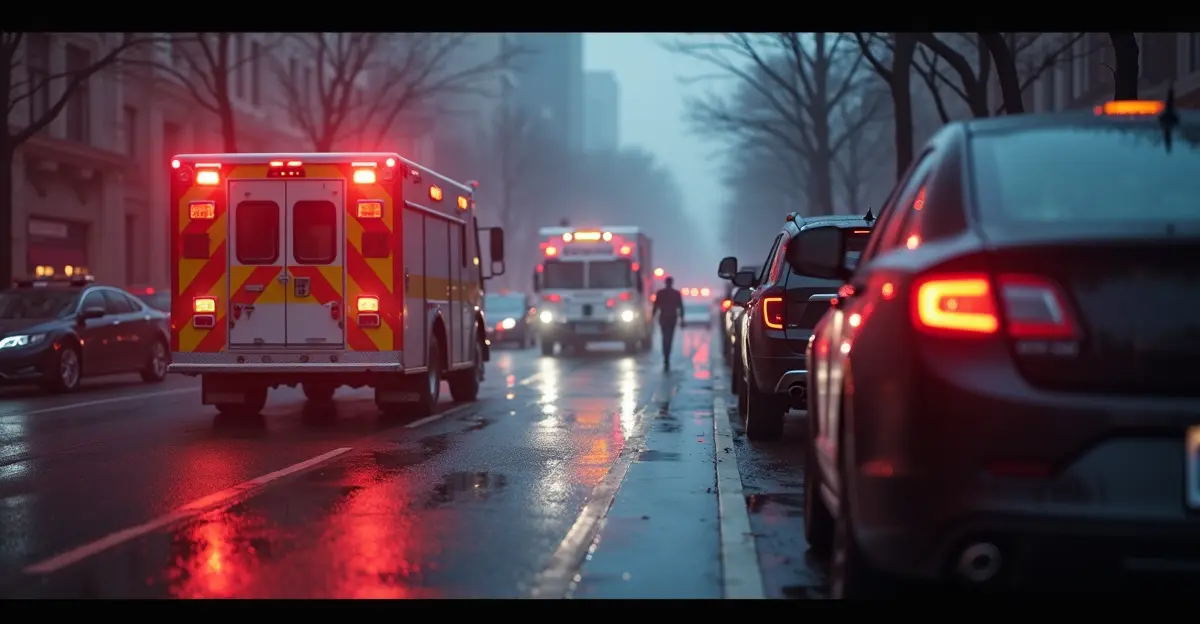
The systems are designed to provide evacuation warnings with sufficient lead time for emergency services to mobilize. When the AI detects conditions that could lead to severe flooding, it automatically triggers alerts to city officials, emergency responders, and directly to residents through mobile apps and emergency broadcast systems.
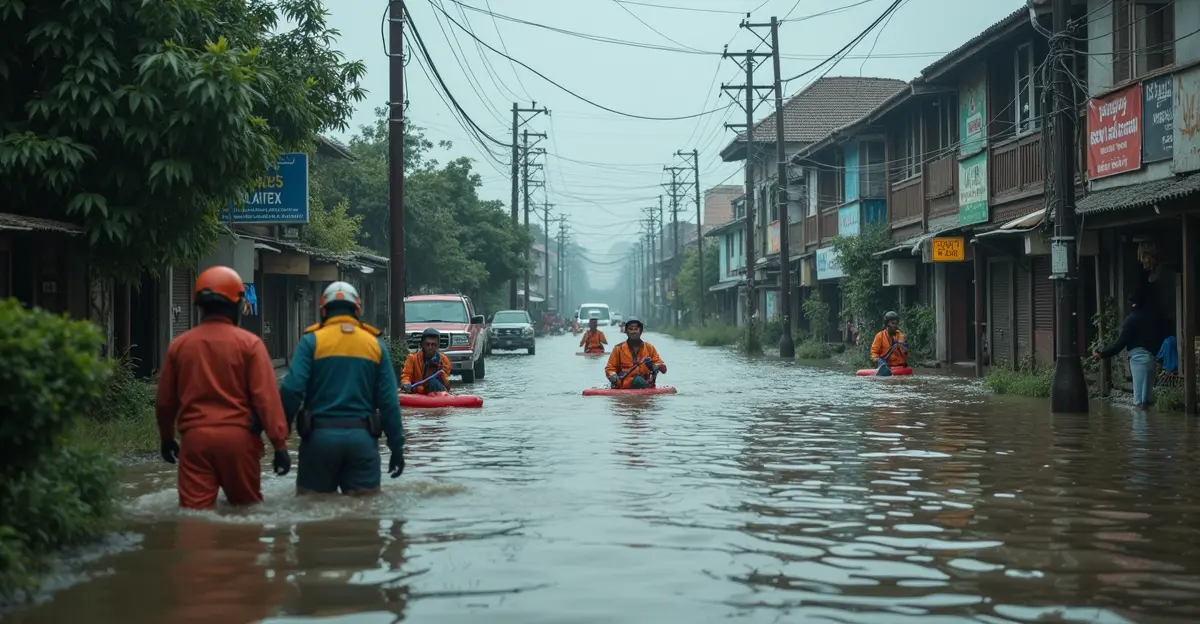
In pilot programs conducted throughout 2024, cities using these AI systems reduced flood-related casualties by 78% compared to previous years. The technology has proven particularly effective in dense urban areas where traditional flood prediction methods often fail due to complex microclimates and infrastructure challenges.
Global Deployment and Implementation
Major metropolitan areas including Tokyo, New York, Amsterdam, and Mumbai have already implemented these AI systems. The deployment involves installing thousands of sensors throughout urban watersheds, integrating with existing weather monitoring infrastructure, and training emergency response teams on the new technology.
"We've seen response times improve dramatically," says Tokyo Emergency Services Director Kenji Tanaka. "Where we used to have maybe 2-3 hours warning for major flood events, we're now getting 12-24 hour alerts with precise location predictions."
Economic Impact and Cost Savings
Beyond saving lives, the economic benefits are substantial. Early estimates suggest that for every dollar invested in AI flood prediction technology, cities save approximately $15 in avoided damage and recovery costs. The systems help protect critical infrastructure, reduce business interruptions, and minimize insurance claims.
Insurance companies are beginning to offer premium discounts to cities that implement these advanced warning systems, recognizing the reduced risk of catastrophic payouts.
Future Developments and Challenges
Researchers are already working on next-generation systems that incorporate climate change projections, urban development plans, and even social media data to improve prediction accuracy. However, challenges remain regarding data privacy, system reliability during extreme weather events, and ensuring equitable access to warnings across all socioeconomic groups.
As climate change increases the frequency and severity of urban flooding events, these AI-powered prediction tools represent a critical advancement in urban resilience and public safety infrastructure.



Follow Discussion