


 Deutsch
 English
 Español
 Français
 Nederlands
 Português


 Share
Share




Revolution in Weather Prediction
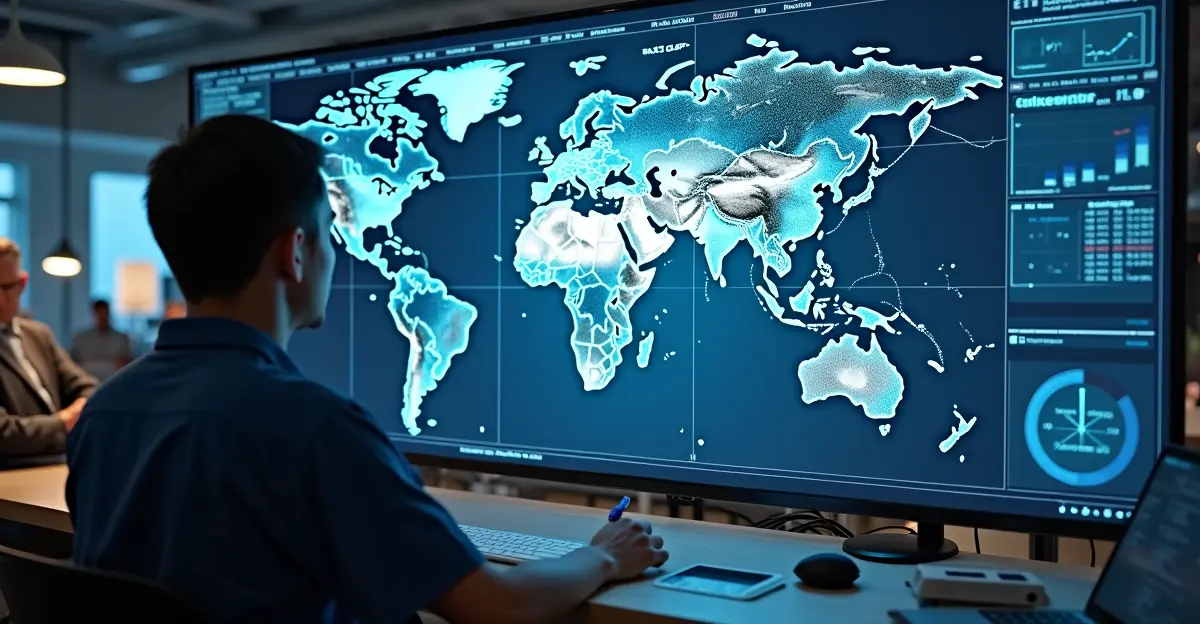
Artificial intelligence has transformed weather forecasting, making today's four-day forecasts as reliable as one-day predictions were just years ago. Machine learning models process massive datasets from ground stations, satellites, and historical records to identify patterns human analysts might miss. Google DeepMind's GenCast delivers hyperlocal forecasts with 16-mile resolution, while NVIDIA's Earth-2 creates digital twins of our planet for simulation.
Life-Saving Applications
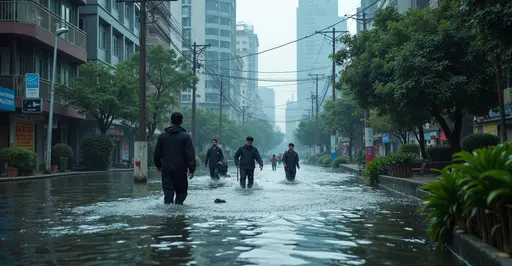
During Hurricane Ian in 2022, AI models predicted landfall 3 days earlier than traditional methods. Now in 2025, systems like NOAA's Global Forecast System integrate AI to extend tornado warning times from minutes to hours. When floods threatened Jakarta last month, evacuation orders were issued 48 hours in advance thanks to AI analysis of rainfall patterns and soil saturation data.
Disaster Response Transformation
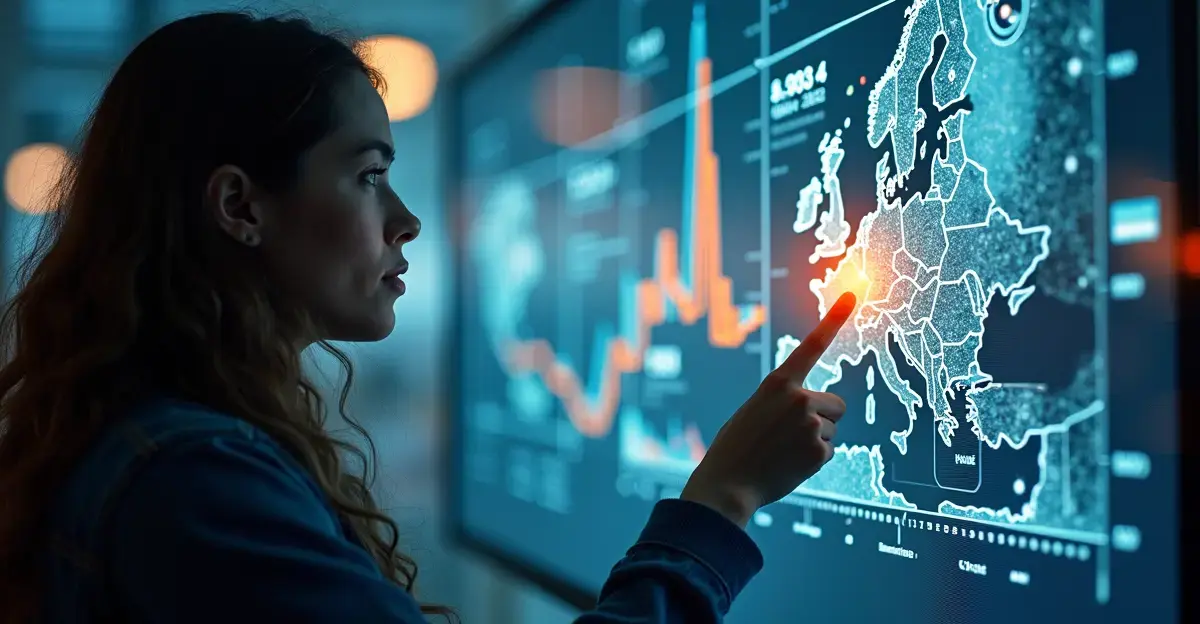
Emergency management centers now use AI-powered dashboards that overlay weather predictions with infrastructure maps and population density data. The National Guard deployed resources before 2025's Midwest derecho hit, positioning generators at hospitals predicted to lose power. FEMA Director Deanne Criswell notes: "What took us 8 hours to analyze now takes 18 minutes."
Challenges and Sustainability
Misinformation remains a concern as AI-generated weather visuals could spread panic. The energy footprint is significant too - climate modeling data centers consume enough electricity to power small cities. NOAA's new Boulder facility addresses this with geothermal cooling and solar arrays, setting a standard for sustainable AI operations.
The Human-AI Partnership
Meteorologists now train as "forecast interpreters," translating AI outputs into actionable warnings. The European Centre for Medium-Range Weather Forecasts reports 30% faster emergency coordination when humans and AI collaborate. As climate change intensifies extreme weather, this partnership becomes increasingly vital for global resilience.


Follow Discussion