


 Deutsch
 English
 Español
 Français
 Nederlands
 Português


 Share
Share




The Dawn of AI-Designed Urban Spaces
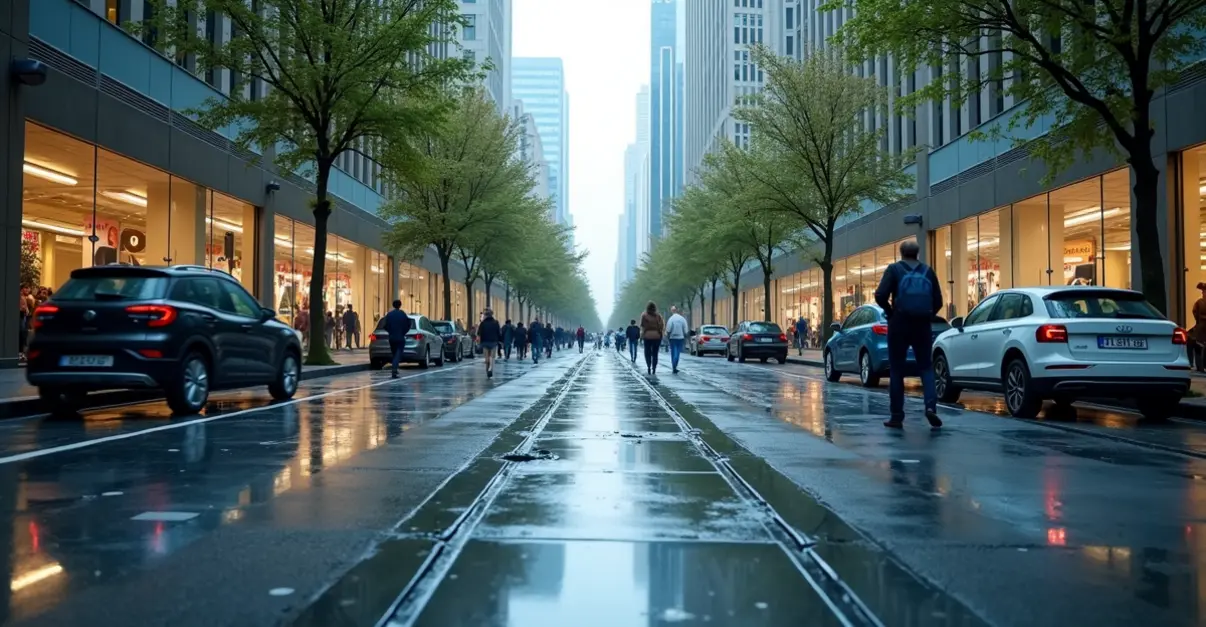
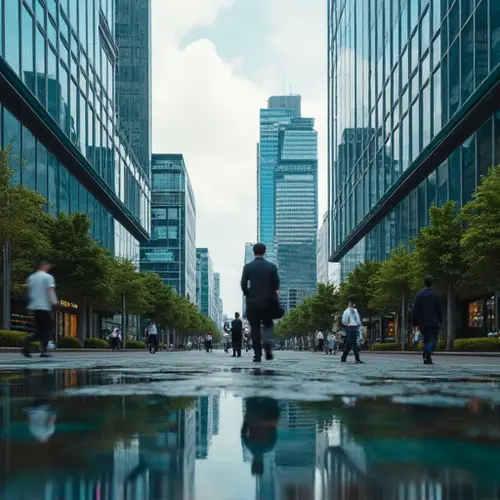
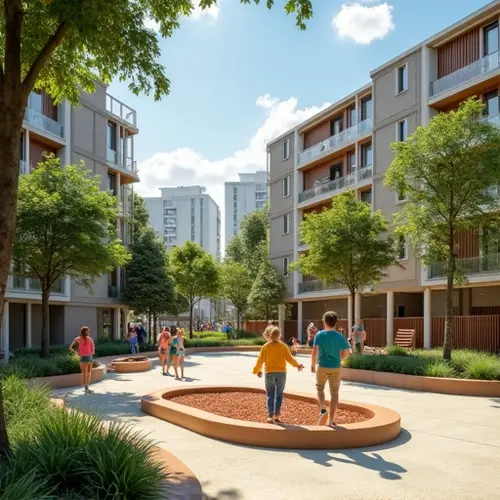
Artificial intelligence is transforming how we plan and build cities, moving beyond traditional urban design into dynamic systems that optimize sustainability, efficiency, and livability. By 2025, AI-powered tools are enabling planners to simulate complex urban ecosystems, predict traffic patterns, and design energy-efficient infrastructure before breaking ground.
Digital Twins and Predictive Modeling
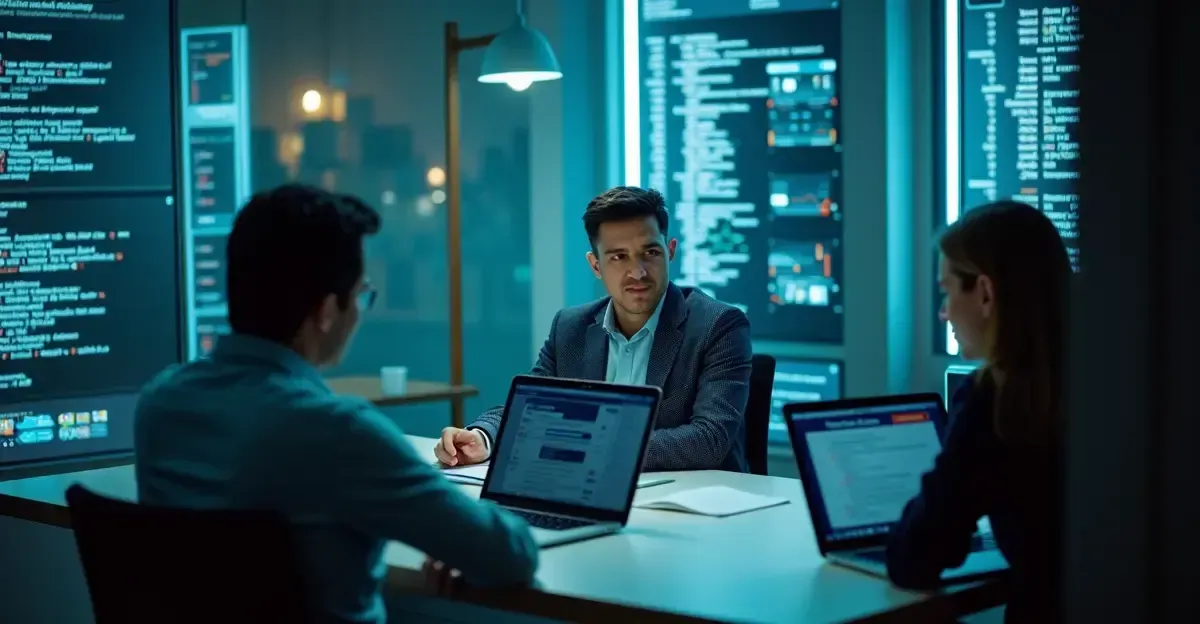
Leading this revolution are "digital twins" - virtual city replicas that integrate real-time data from IoT sensors, traffic cameras, and environmental monitors. The University of Florida's upcoming forum will showcase how these models predict population growth, simulate climate impacts, and test infrastructure resilience. Horizon Europe's €24 million initiative is funding AI solutions that help cities like Barcelona and Helsinki create climate-neutral urban plans through predictive analytics.
From Design to Construction
AI isn't just for planning. Construction robots guided by machine learning algorithms now automate bricklaying and safety inspections, while generative design tools create building layouts that maximize natural light and minimize energy consumption. These innovations are critical for implementing the EU's Climate-Neutral Cities Mission, which requires 112 selected cities to achieve net-zero emissions by 2030.
Ethical Considerations
As cities like Singapore deploy AI urban management systems, concerns about data privacy, algorithmic bias, and equitable access emerge. The Horizon Europe program mandates citizen participation features in all digital twin interfaces, ensuring communities can provide feedback on AI-generated proposals.
The Road Ahead
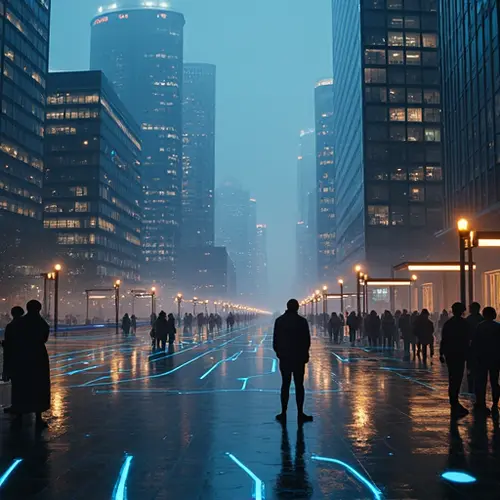
Urban planners emphasize that AI won't replace human designers but will become essential co-pilots. As Rotterdam tests AI-generated flood prevention designs and Tokyo optimizes public transit using neural networks, the cities of 2030 will blend human creativity with machine intelligence to create adaptable, resilient urban environments for tomorrow's challenges.
Follow Discussion